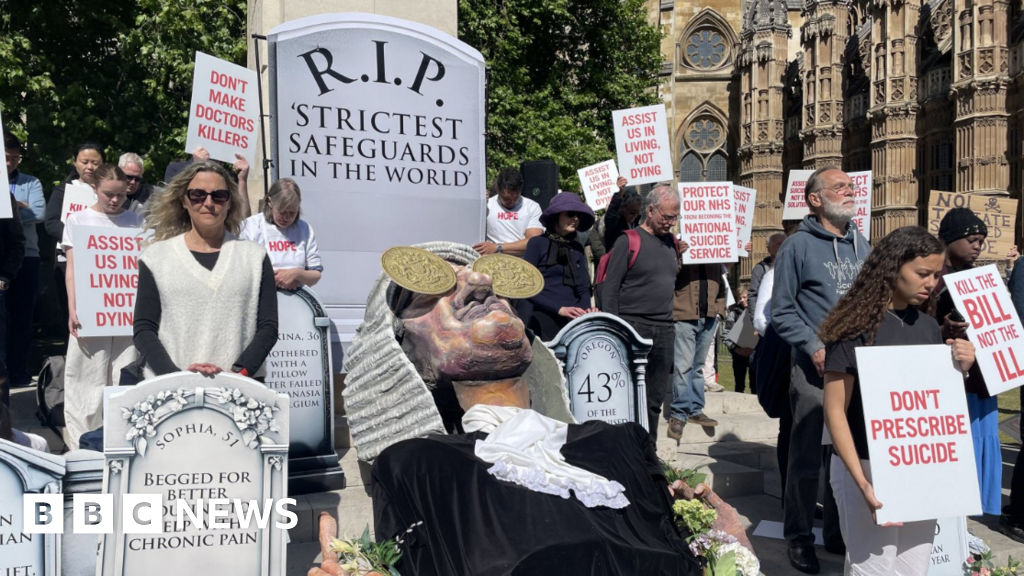
Lord Falconer warned the assisted dying private member's bill has “absolutely no hope” of passing the House of Lords without a fundamental change in approach and has threatened to invoke the Parliament Act to override peers if the legislation is not approved before the King's Speech in May. Government sources expect the Lords to block the bill and are considering alternatives such as a Royal Commission; opponents argue using the Parliament Act would force an unchanged, potentially unsafe bill into law. The dispute raises constitutional risk and political precedent rather than immediate market-moving policy changes, though it increases legislative uncertainty around end-of-life law reform.
Market Structure: The immediate market impact is concentrated and political rather than macro — winners are niche legal/consultancy firms, political bookmakers and any listed providers of end-of-life services; losers are UK-domiciled life/annuity insurers and highly domestic FTSE small-caps in health/care where regulatory uncertainty raises valuation discounts. Expect modest re-pricing: domestic insurers could see a 5–15% relative volatility increase; Dignity-like funeral exposure is ambiguous and binary to legislative outcomes.
Risk Assessment: Tail risk is use of the Parliament Act (constitutional clash) — low probability but high impact: GBP could weaken 1.5–3% and 10y gilts yields could jump 10–30bps within 1–4 weeks if the crisis escalates; more likely near-term outcome is stalled legislation and elevated headline volatility through the King's Speech (expected in May). Hidden dependencies: the order of Private Members' ballot, Labour frontbench intervention, and any Royal Commission delay are 30–90 day catalysts that change probabilities.
Trade Implications: Best actionable levers are FX, gilt-duration, and targeted UK insurer exposure. Short-dated GBP puts and short gilt futures efficiently express political-risk view; selective short positions in AV.L and PHNX.L express domestic insurer re-risking. Avoid broad UK equity sells; prefer 2–4 week event trades into May with tight stops tied to parliamentary statements.
Contrarian Angles: Consensus treats this as a low-market-impact social bill — that underestimates precedent risk: use of Parliament Act would raise a long-term UK legislative risk premium, permanently widening UK yield spreads 10–25bps versus peers. Conversely, if peers force major amendments or a Royal Commission is created within 30–60 days, the risk premium collapses quickly and domestic health/specialist care names could bounce 10–20% from depressed levels.
AI-powered research, real-time alerts, and portfolio analytics for institutional investors.
Request DemoOverall Sentiment
neutral
Sentiment Score
-0.05
