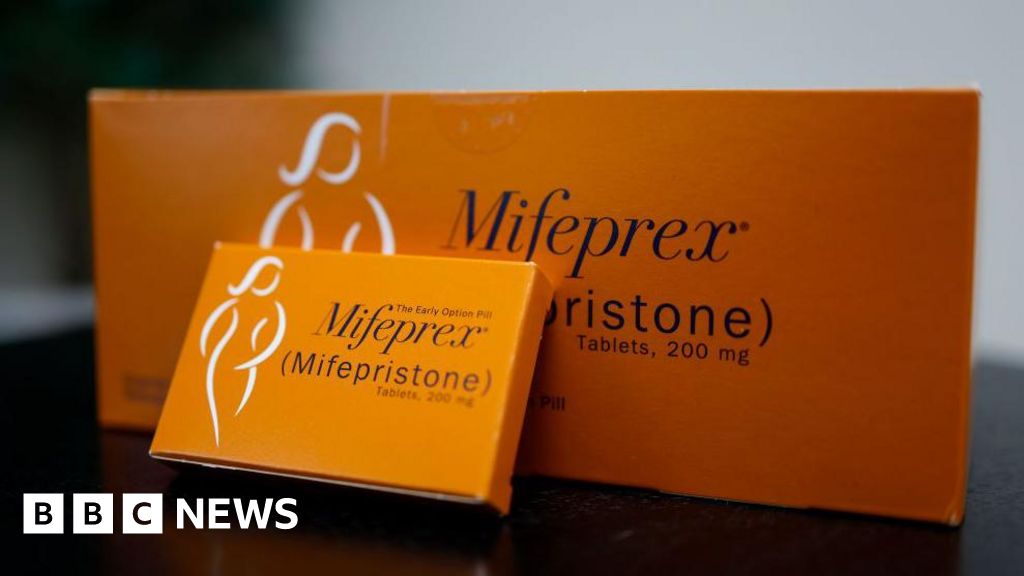
The U.S. Supreme Court restored mail access to mifepristone for now, blocking a lower-court order that would have required in-person pickup while litigation continues. The ruling preserves the FDA's 2023 telemedicine/mail dispensing framework for abortion pills, though Justices Thomas and Alito dissented. The decision is legally significant for drug access and reproductive health policy, but immediate market impact is likely limited and mostly confined to healthcare and biotech sentiment.
This is less a direct pharma catalyst than a signal that the market must continue pricing a multiyear regulatory overhang into women’s health and adjacent healthcare services. The immediate beneficiaries are the generic mifepristone suppliers and telehealth/pharmacy distribution channels, but the bigger second-order effect is a reduced probability of a near-term access shock that would have forced clinicians, pharmacies, and telehealth platforms to retool workflows and inventory. That lowers operational volatility for any exposure tied to remote prescribing infrastructure. The larger equity implication is political-risk dispersion: the issue remains live, so the binary outcome has shifted from imminent disruption to extended litigation optionality. That favors names with diversified reproductive-health exposure or broader telemedicine revenue mix, while making concentrated exposure to single-indication women’s health assets more vulnerable to headline-driven multiple compression. Any rally in “access” beneficiaries is likely to be capped until the underlying judicial venue changes or the FDA’s policy is definitively altered. Contrarian read: the market may be underestimating how quickly this becomes a 2024 election catalyst rather than a pure healthcare story. If access becomes a campaign issue, implied volatility across telehealth, pharmacy benefit, and select healthcare providers should remain bid even in the absence of near-term operational impact. Conversely, if litigation drags on without fresh restrictions, the initial fear premium should bleed out over 1-2 quarters, creating a fade opportunity in the most overtly policy-sensitive names.
AI-powered research, real-time alerts, and portfolio analytics for institutional investors.
Request DemoOverall Sentiment
neutral
Sentiment Score
-0.05
