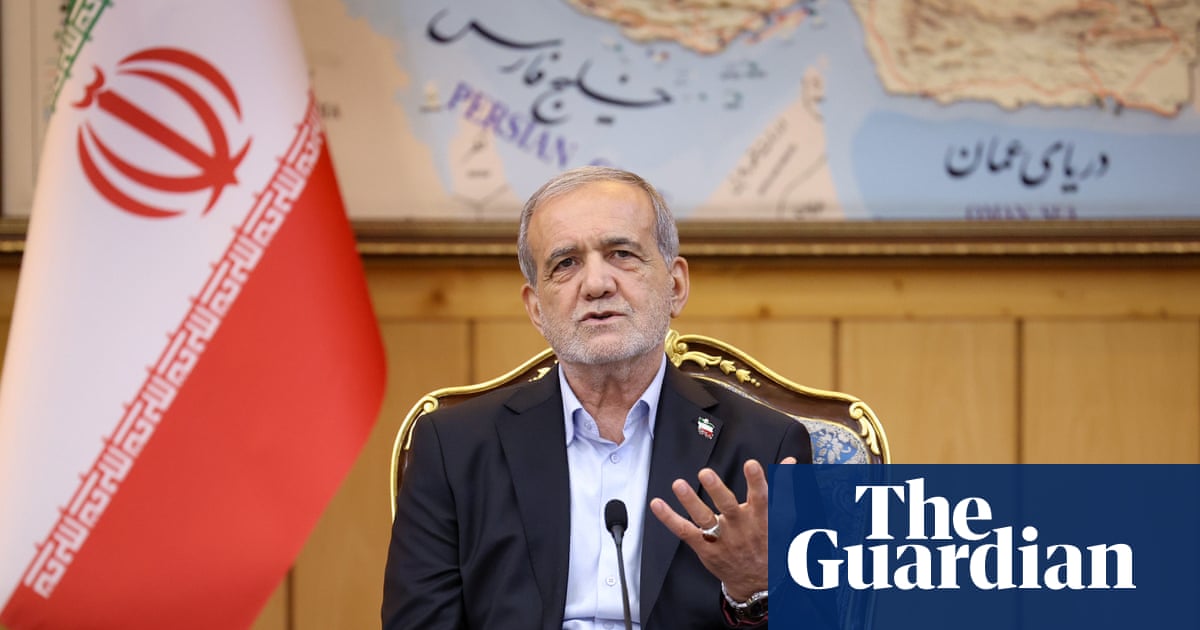
Widespread UN sanctions against Iran have been reimposed following the failure of nuclear talks and Iran's non-compliance, targeting its nuclear and ballistic missile programs. This 'snapback' mechanism, triggered by Western powers despite Russian and Chinese opposition, is anticipated to exacerbate Iran's already troubled economy, evidenced by a record high dollar/rial exchange rate. While the US and European allies reiterate openness to diplomacy, the move signals escalating geopolitical tensions and intensified economic pressure on Tehran, with a difficult path to reversal for the sanctions.
The reimposition of widespread UN sanctions on Iran, utilizing a 'snapback' mechanism from the 2015 nuclear deal, marks a significant escalation of geopolitical tensions following the collapse of diplomatic talks. This action, triggered by the UK, France, and Germany, creates a stark division within the UN Security Council, as Russia has explicitly stated it will not enforce the measures and, along with China, opposed their return. The immediate economic fallout is severe, with Iran's currency hitting a record low of 1.12 million rials to the US dollar on the black market, directly fueling inflation and exacerbating an already troubled economic environment. While Western diplomats maintain that the door for negotiations remains open, the situation is complicated by Iran's rejection of current proposals and prior military strikes on its nuclear facilities. The sanctions, which target Iran's nuclear and missile programs, are difficult to reverse due to the requirement for Security Council consensus. This sustained pressure is likely to compound Iran's existing economic challenges, including high inflation and infrastructure decay, creating a highly volatile and uncertain outlook for the region and for markets sensitive to Middle Eastern stability.
AI-powered research, real-time alerts, and portfolio analytics for institutional investors.
Overall Sentiment
strongly negative
Sentiment Score
-0.70
