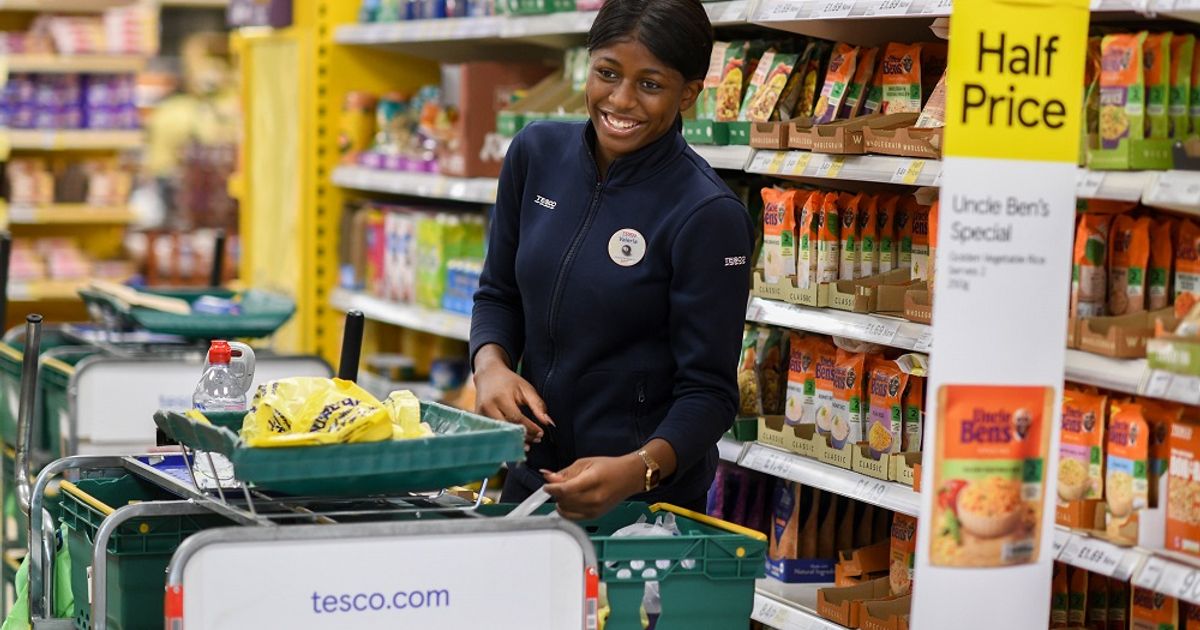
Panmure Liberum highlights a structural improvement in UK supermarket profitability after Tesco reported its highest UK market share in over a decade and M&S Food delivered 5.6% like-for-like growth, with volumes outpacing the market and sharply lower waste. The broker says rising tenant margins — rather than headline sales — increase rental headroom for landlords such as Supermarket Income REIT, noting supermarket assets returned around 9% over the past year with a modest uplift in rental values; index-linked income remains the REIT’s core attraction while margin-led rental growth is viewed as a medium-term upside, particularly in smaller-format, high-density stores.
Market structure: Rising supermarket operating margins (Panmure points to tighter pricing, better mix and lower waste) shift value from headline sales to tenant profitability, directly benefiting supermarket-focused landlords (Supermarket Income REIT, LSE:SUPR) and large, high-density grocery operators (Tesco TSCO.L, M&S MKS.L). Expect medium-term rental headroom of ~2–4% on re-lettings/rent reviews in prime/high-density and smaller-format stores; supermarket-backed assets already returned ~9% last year, implying upside above generic retail property indices.
Risk assessment: Key tail risks include regulatory intervention on retail rents or business rates, a renewed input-cost shock that compresses grocer margins (20–40% of recent margin gains could reverse), and 100–200bp upward moves in UK real yields that could knock REIT NAVs into double-digit downside. Time windows: immediate (days) for trading-update reactions, short-term (weeks–months) for Q1 trading and CPI data, long-term (quarters) for rent reviews and valuation resets. Hidden dependency: landlord upside lags tenant margin improvement due to contractual rent review cadence and CPI-linkage timing.
Trade implications: Direct plays are long SUPR (index-linked income, asymmetric upside if rent uplifts hit) and selective long positions in higher-margin grocers (TSCO.L, MKS.L); pair trades favour long SUPR vs short non-food/high-duration REITs (e.g., Landsec LAND.L). Options: use 6–12 month call spreads on SUPR to cap premium and express a medium-term view; reduce exposure to mall/shopping-centre REITs by 30–50% in favour of grocery landlords.
Contrarian angles: Consensus uses rent-to-sales ratios that understate upside — margin-led rental growth is underpriced, but the market may already price a base-case modest uplift, leaving limited near-term alpha. Historical parallels (post-consolidation grocery cycles) show valuation compression if rates spike or regulation tightens; size positions modestly (1–3% conviction) and use relative trades to hedge macro rate/regulatory shocks.
AI-powered research, real-time alerts, and portfolio analytics for institutional investors.
Request DemoOverall Sentiment
moderately positive
Sentiment Score
0.45
