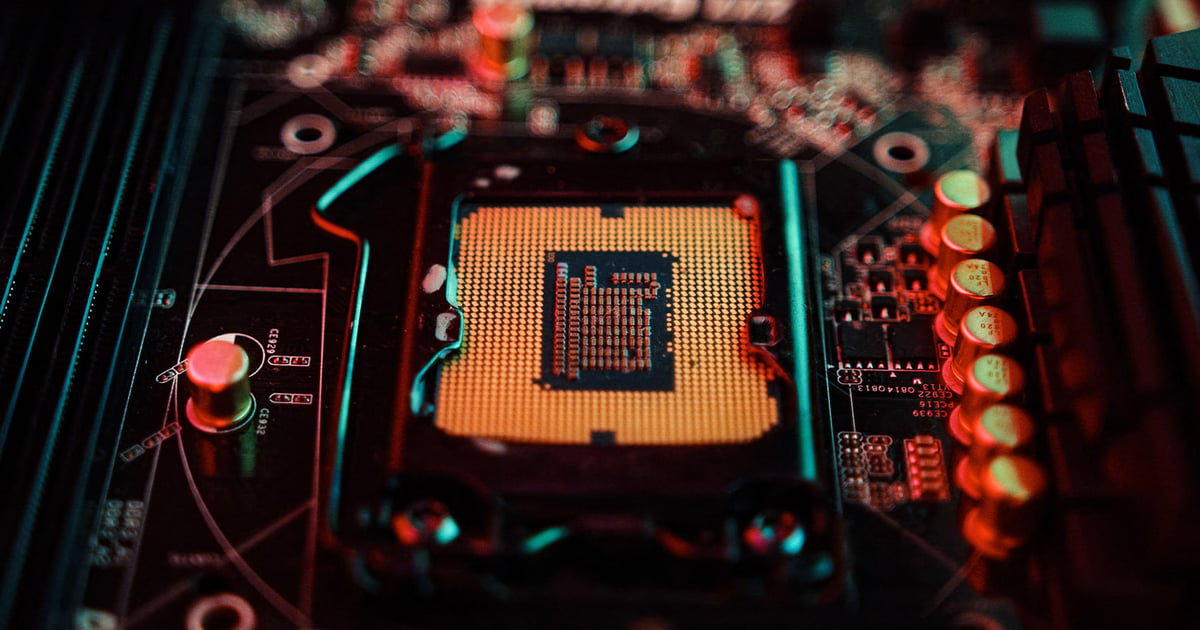
Elon Musk announced 'Terafab,' a plan to build an in-house semiconductor fab in Austin to support up to one terawatt of AI compute annually, targeting chip supply, power constraints, and large-scale deployment (including space-based compute). Analysts praise the strategic logic around domestic capacity but flag major execution gaps — no confirmed equipment orders, no named process partner (e.g., ASML/KLA/Applied), and no manufacturing team — making the proposal aspirational rather than immediately market-moving. The initiative could reshape AI/data-center strategies and vertical integration if executed, but near-term impact is limited until concrete capital commitments and process partnerships are disclosed.
Terafab functions as a potential demand re-allocator more than a pure growth engine for semiconductor equipment: if executed it will temporarily inflate capital spending (big ticket tool orders) but structurally reduce recurring fab demand from established foundries by internalizing volumes. That creates a two-phase market dynamic over 6–36 months — a short pulse of equipment ordering followed by a secular shift of wafer starts away from third-party foundries, compressing multi-year consumables and services revenue for ASML/KLA/AMAT.
Execution risk is binary and time‑staggered: near-term catalysts that would validate the plan are verifiable orders (ASML/KLA/AMAT), a signed process partner (TSMC/Intel/Samsung), and a named manufacturing executive; absence of those within 6–12 months materially raises probability of project stall and stranded capex. Tail risks include inability to source EUV/photoresists or IP challenges that could blow out timelines to 3–7 years and force capital raises, creating dilution for Tesla/SpaceX-exposed equity holders.
Second-order effects create new strategic flows: hyperscalers may accelerate multi-year off-take contracts with foundries to lock capacity (benefiting incumbent foundries in bookings but leaving them with fill-rate and margin pressure), while equipment vendors could see order lead-time compression and pricing power in the near term even as long-run device mix shifts. For chip designers and GPU incumbents, more onshore capacity reduces geopolitical tail risk and could lower marginal cost of AI compute after 24–48 months — a margin tailwind for GPU-heavy cloud providers and a latent negative for equipment vendors if volumes shift in-house abroad or to vertically integrated players.
AI-powered research, real-time alerts, and portfolio analytics for institutional investors.
Request DemoOverall Sentiment
mixed
Sentiment Score
0.05
Ticker Sentiment
