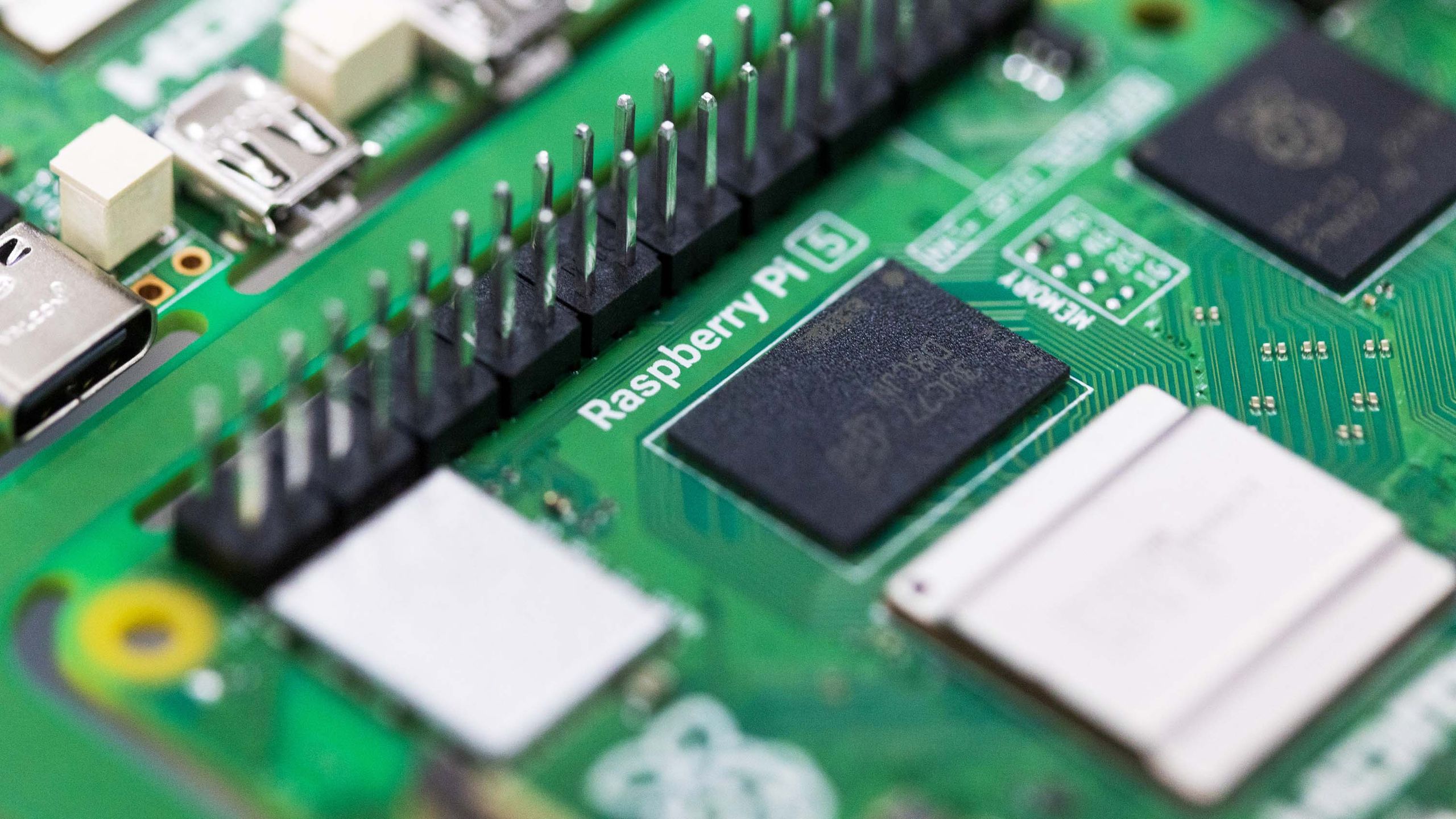
Raspberry Pi announced RAM-driven price increases across its lineup, including a $100 hike for the 16GB Raspberry Pi 5 (now $305 in the U.S.), $50 on 8GB boards and $25 on 4GB boards, with Compute Modules and Pi 500 variants rising between $11.25 and $150 depending on configuration. The company attributes the moves to the broader RAM shortage/supply-chain squeeze, reducing the competitiveness of higher-spec single-board computers versus low-cost mini PCs. Raspberry Pi has held prices on some lower-RAM models (Pi 400 4GB at $60; 1GB/2GB Pi 4 and Pi 5 at $35–$65) and introduced a 3GB Pi 5 as an intermediate option. Persistent elevated memory costs likely shift demand toward lower-RAM configurations and mini PCs if prices do not normalize.
This shift is primarily a memory-price shock that cascades into product mix and substitution effects: manufacturers of commodity DRAM (MU, 000660.KS, SSNLF) see margin upside near-term while low-margin assemblers that compete on price (small SBC makers, hobbyist retailers) risk permanent share loss as buyers trade up to more fully featured mini‑PCs. Expect a two‑track market over 3–12 months: sustained elevated ASPs for higher‑density modules (supporting supplier FCF) but depressed unit growth in price‑sensitive hobby/education segments and accelerated demand for used/refurbished alternatives.
Second‑order supply dynamics matter more than headlines. OEMs with vertical integration or long‑dated DRAM contracts (large PC OEMs, cloud providers) can arbitrage higher board prices by bundling services or preferential sourcing, pressuring independent SBC vendors who lack procurement scale. A meaningful catalyst that would reverse this within 6–18 months is either a swift ramp of new DRAM fab capacity or a material demand contraction in smartphones/PCs that forces spot DRAM into channel inventory; absent either, price pressure will persist and re-order product roadmaps.
The near consensus misses a demand elasticity inflection: beyond hobbyists, institutional buyers (edge compute, CPE, education labs) will re-evaluate TCO and may shift to modular/upgradable mini‑PCs or cloud alternatives — a structural hit to single‑board lifetime demand. That makes semiconductor memory names a levered but cyclical play and mini‑PC/PC OEMs a less-cyclical, slower-growth beneficiary; hedge memory exposure with options or a short consumer hardware exposure to protect against abrupt elastic response within 90 days.
AI-powered research, real-time alerts, and portfolio analytics for institutional investors.
Request DemoOverall Sentiment
mildly negative
Sentiment Score
-0.30
Ticker Sentiment
