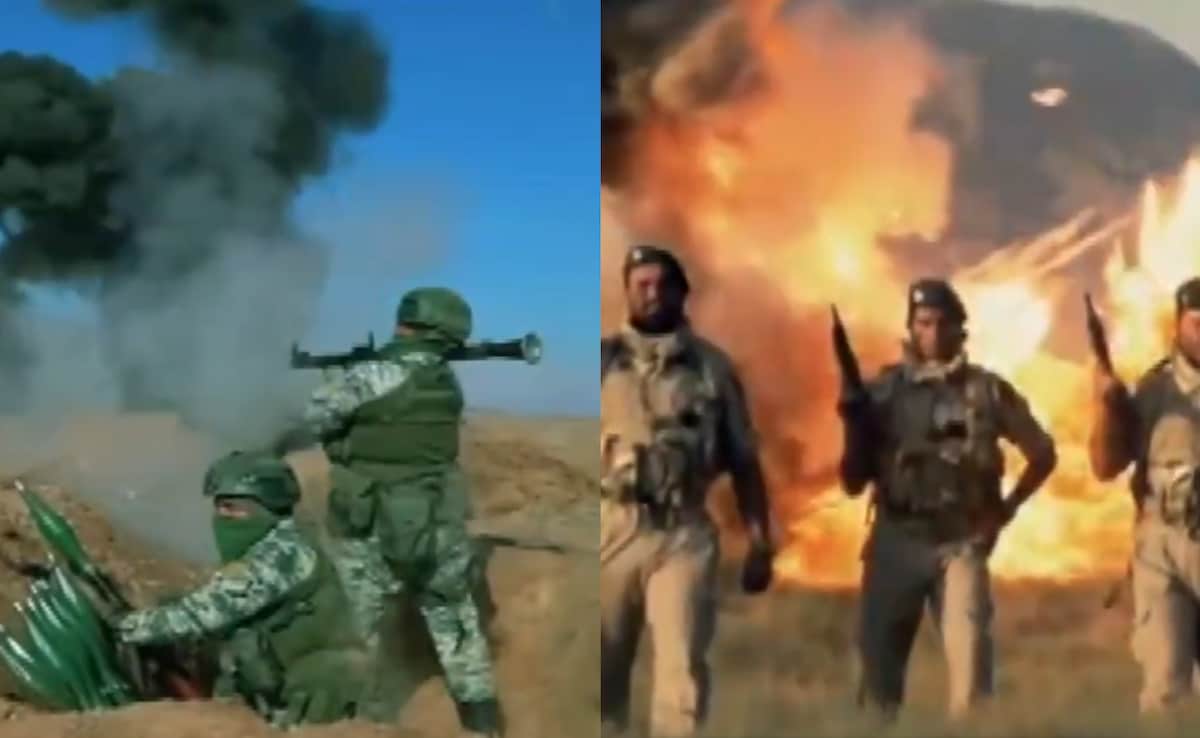
3,500 US Marines and soldiers aboard the amphibious assault ship USS Tripoli have entered the CENTCOM area of responsibility, while Iran released a 59-second video of elite commandos declaring they are "ready to confront and defeat American soldiers." The White House says additional troop deployments provide "maximum optionality," and the Pentagon is reportedly preparing plans for possible extended ground operations in Iran lasting several weeks that would likely stop short of a full-scale invasion and focus on targeted raids. This development raises near-term geopolitical risk and upside volatility for Middle East energy markets and broader risk assets.
A sustained risk-off environment will selectively re-rate companies tied to expeditionary logistics, precision munitions, ISR and ship maintenance while penalizing players exposed to short-term travel and freight flows. Expect accelerated inventory drawdowns of guided munitions and aviation ordnance to force near-term repricing of suppliers that carry concentrated production lines—these firms will see order visibility improve within 30–90 days but face multi-quarter bottlenecks in specialty semiconductors and turbine components.
Energy and shipping channels are the fastest transmission mechanisms from regional hostilities to global markets: even episodic disruptions to chokepoints or insurance risk will widen tanker and container spot rates within days and can lift Brent-equivalent pricing by 10–25% in 2–6 weeks absent diplomatic de-escalation. Conversely, a credible diplomatic off-ramp or rapid cache replenishment from allied stockpiles can erase much of the rally inside 60–90 days, creating asymmetric timing risk for front-month instruments.
Second-order beneficiaries include small-to-mid cap defense subcontractors (greater revenue leverage) and specialist shipyards handling rapid repair work; losers include regional airlines, leisure travel, and container shippers facing reroutes and higher premiums. From a capital-allocation lens, momentum into large-cap defense names is likely the consensus trade; alpha will come from being long overlooked suppliers and short cyclical travel exposure with tight time-bound exit rules.
AI-powered research, real-time alerts, and portfolio analytics for institutional investors.
Request DemoOverall Sentiment
moderately negative
Sentiment Score
-0.60
