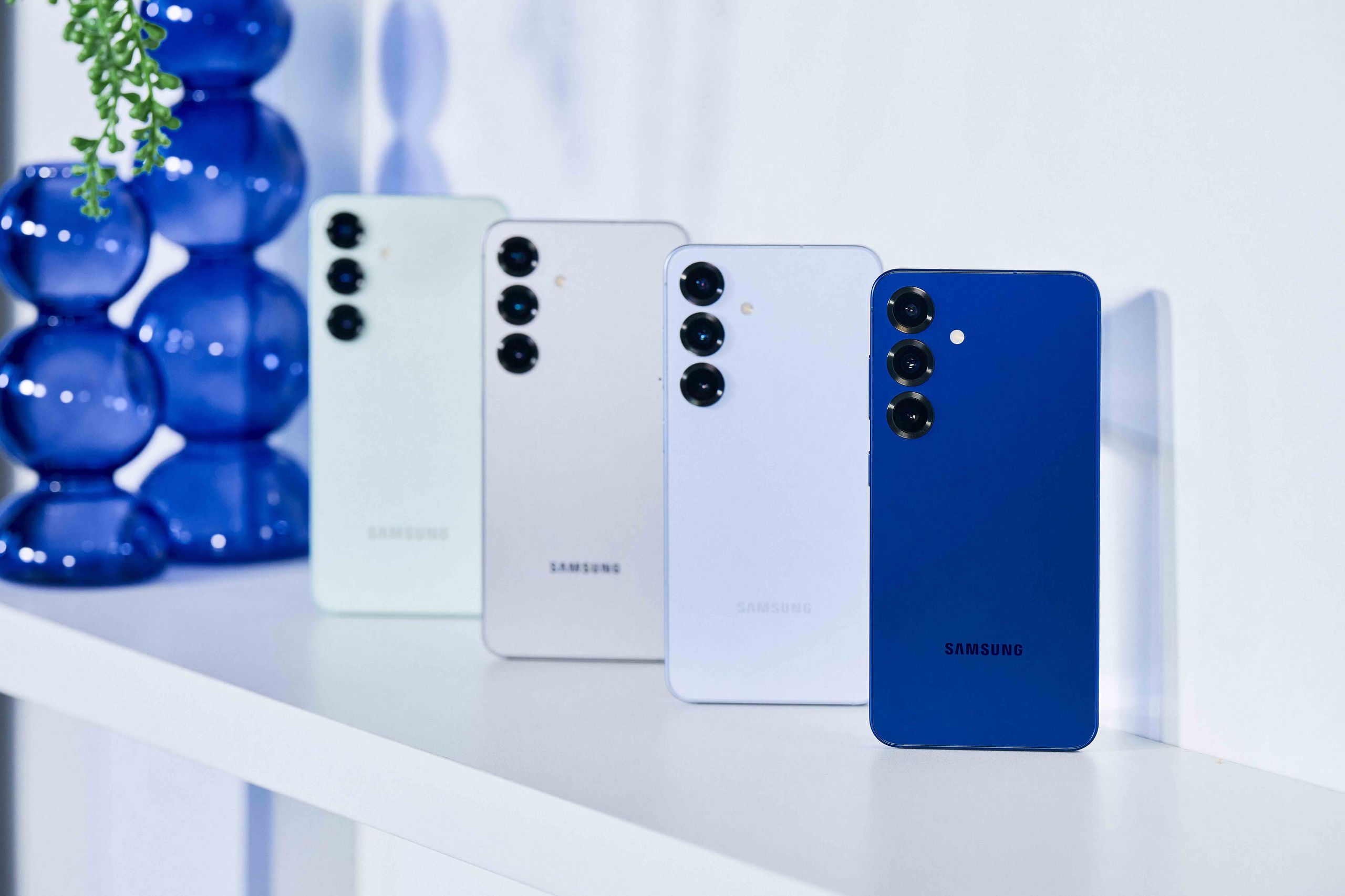
A TechRadar reader poll found 70% of respondents are not excited about the forthcoming Samsung Galaxy S26, with only 30% expressing enthusiasm, reflecting weak consumer appetite ahead of the launch. Reporting and user comments indicate the S26 is likely to be an iterative upgrade focused on software and Galaxy AI improvements rather than major hardware changes, which could prolong device replacement cycles and temper near-term upgrade-driven revenue growth for Samsung's flagship S-series. While this signals potential demand softness, the story alone is unlikely to be a material, immediate market mover absent corroborating sales or guidance data.
Market structure: Weak pre-launch enthusiasm (70% “not hyped”) signals a softer upgrade cycle for premium Android flagships, benefiting incumbents with sticky ecosystems (AAPL) and aftermarket service/replacement revenue while pressuring ASPs for Samsung (005930.KS/SSNLF) and component suppliers (SONY, MU, 3008.TW). If replacement cycles lengthen by 12–24 months for even 10–20% of users, expect near-term unit demand down 5–10% vs a base case, compressing revenue growth for handset-led suppliers over the next 2–4 quarters. Cross-asset: weaker consumer electronics growth is mildly credit-positive for sovereigns (safe-haven bond bid) and negative for cyclicals, supporting lower yields and modest outperformance of USD vs commodity-linked FX on softer electronics commodity demand.
Risk assessment: Tail risks include a surprise Samsung innovation (Galaxy AI breakthrough) that restores upgrade intent, regulatory action on app store economics that reshuffles ecosystem winners, or macro shock that accelerates or delays upgrades. Immediate (days) risk centers on pre-launch leaks/pricing; short-term (weeks–months) on guidance cuts from suppliers (MU, 000660.KS); long-term (quarters) on structural elongation of replacement cycles and AI-driven feature competition. Hidden dependencies: carrier subsidy cycles, trade-in economics, and memory inventory buildup can amplify shocks; catalysts include Samsung’s official launch (within ~2–3 weeks) and quarterly earnings from major suppliers.
Trade implications: Favor long AAPL (ecosystem durability) vs underweight Samsung exposure—use equity and options to express view; reduce directional long exposure to commodity-dependent suppliers (MU, SK Hynix) and camera-lens specialist Largan (3008.TW). Option plays: buy short-dated (2–3 month) puts on MU and 000660.KS as insurance against inventory-driven downgrades; consider 1–2% portfolio covered-call income on AAPL to harvest elevated sentiment. Sector rotation: shift 2–5% from hardware OEMs into software/services, repair/aftermarket, and semis exposed to data-center AI rather than mobile DRAM.
Contrarian angles: Consensus assumes iteration = uniformly negative, but a muted S26 could force Samsung to undercut pricing and accelerate share gains in price-sensitive markets (EM/India), a scenario that benefits low-cost Chinese OEMs and display/assembly suppliers. Reaction may be overdone for suppliers with diversified end markets (SONY cameras, Qualcomm’s Snapdragon diversification); underdone risk is a sudden pivot to Galaxy AI that re-prices Samsung and lifts component order books. Historical parallel: mid-cycle stagnation in 2018 led to a two-quarter drawdown then re-acceleration from trade-in promotions — monitor carrier subsidy moves for similar signals.
AI-powered research, real-time alerts, and portfolio analytics for institutional investors.
Request DemoOverall Sentiment
mildly negative
Sentiment Score
-0.35
