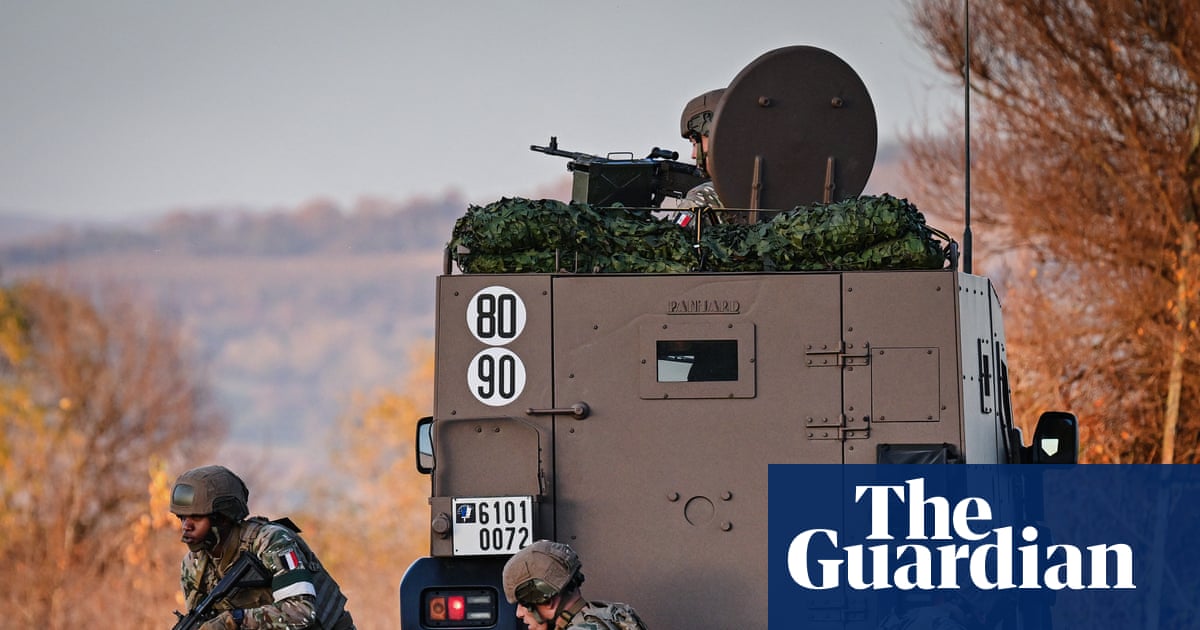
The European Commission unveiled a military mobility plan to speed cross-border movement of troops and heavy equipment by 2030, motivated by security warnings that Russia could threaten an EU state within five years; officials flagged practical bottlenecks such as bridges unable to carry 60-tonne tanks, narrow rail gauges, short runways and lengthy national permission rules (one state still requires 45 days where EU countries aim for a three-day procedure). The proposal would create a “military Schengen” with an emergency priority system and temporary exemptions from rules like drivers’ rest periods and customs delays, and identifies 500 priority transport assets needing upgrades at an estimated cost of about €100bn. Brussels has earmarked a tenfold funding increase—€17.6bn in the 2028-34 budget—and points to existing EU infrastructure funds and a new €150bn defence loans programme to co-finance works, but the wider €2tn budget package and member-state co‑funding commitments remain politically contested, leaving implementation and full deterrence benefits uncertain.
The European Commission announced a military mobility plan aimed at ensuring Europe can move troops and heavy equipment rapidly by 2030 against warnings that Russia could threaten an EU state within five years; officials cited concrete bottlenecks such as bridges unable to carry 60-tonne tanks, narrow rail gauges, short runways and onerous national permission rules (one member state still requires 45 days versus an EU objective of a three-day procedure). The commission proposes a “military Schengen” with an emergency priority transport system and temporary exemptions from rules such as drivers’ mandatory rest periods and normal customs procedures to speed deployments.
EU officials identified 500 priority transport assets needing upgrades at an estimated cost of about €100bn, and Brussels has earmarked €17.6bn for military mobility in the 2028-34 budget while pointing to a new €150bn defence loans programme and existing infrastructure funds; however the wider €2tn package and required member-state co-funding face political resistance that could delay or dilute spending. The plan’s tone is hawkish and the provided market signals indicate a mildly positive market reaction with a modest market impact score (0.33), implying incremental upside for defense, infrastructure and logistics sectors if implementation proceeds.
The investment horizon is multi-year with execution risk driven by national budget ratification, procurement timelines and regulatory reform (eg. border-notice reductions). Investors should therefore treat opportunities as contingent on visible contract awards, EU budget approvals and demonstrable national reforms rather than on the announcement alone.
AI-powered research, real-time alerts, and portfolio analytics for institutional investors.
Request DemoOverall Sentiment
mildly positive
Sentiment Score
0.28
