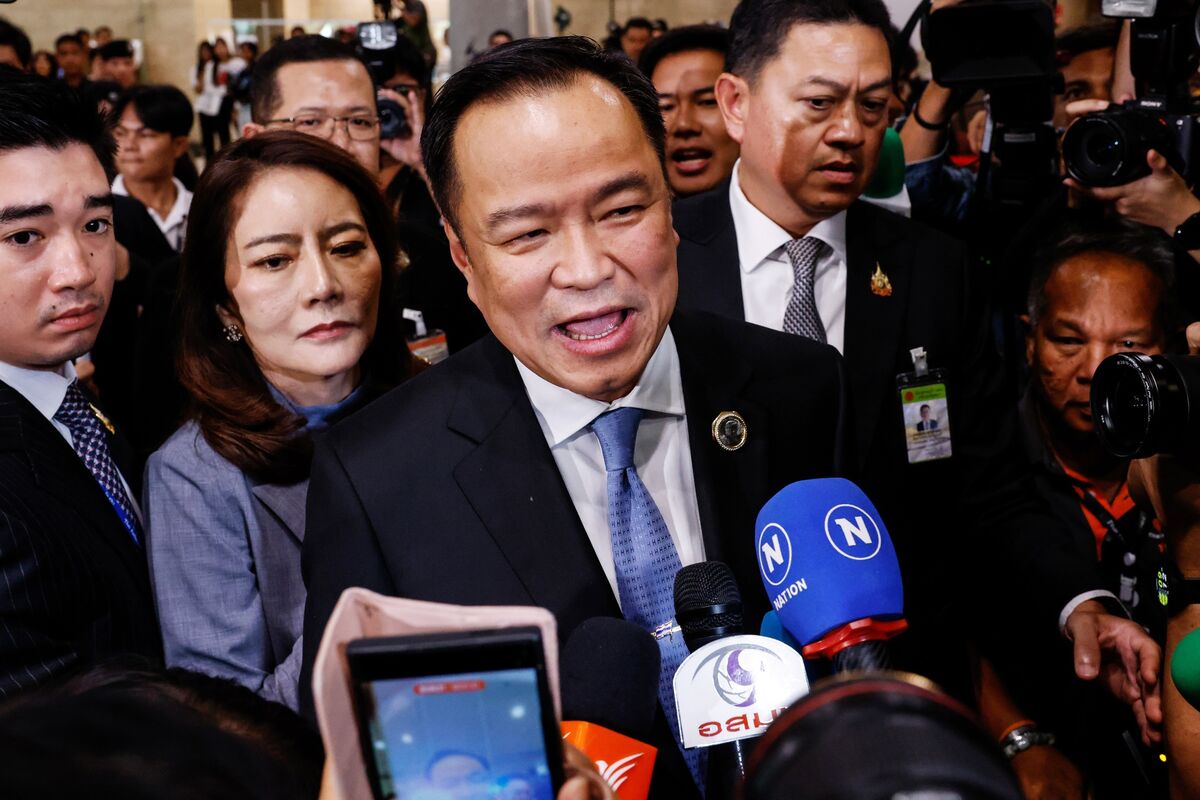
Thai Prime Minister Anutin Charnvirakul has initiated the four-month countdown to dissolve parliament, with elections expected early next year. This move, a condition of his premiership backed by the reformist People's Party, sets the stage for renewed political competition between the royalist establishment and the opposition, potentially introducing policy uncertainty and impacting investor sentiment in Thailand.
The Thai government, under Prime Minister Anutin Charnvirakul, has initiated the four-month process to dissolve parliament, confirming that general elections will occur early next year. This move is not a surprise but a procedural fulfillment of an agreement with the opposition People's Party, which conditioned its support for his premiership on this early poll. The action formally commences a period of heightened political activity, framing the upcoming election as a contest between the incumbent royalist establishment and the challenging reformist movement. For investors, this 'political jockeying' introduces significant near-term uncertainty into the Thai market, a risk underscored by the event's medium market impact score. The lead-up to the election could result in policy ambiguity or populist proposals, potentially driving market volatility and causing institutional capital to adopt a cautious stance on Thai assets until the political outcome is clarified.
AI-powered research, real-time alerts, and portfolio analytics for institutional investors.
Request DemoOverall Sentiment
neutral
Sentiment Score
0.00
