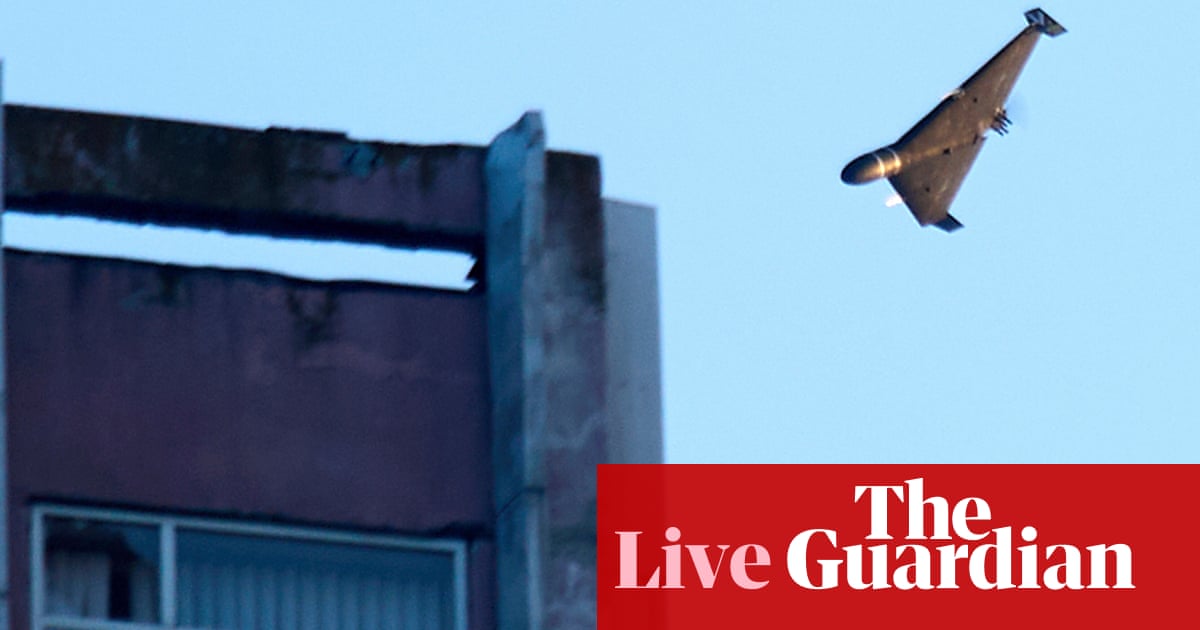
Recent news includes escalating tensions in Eastern Europe and the Middle East, alongside developments in European energy policy. Russia's military actions in Ukraine continue, with a recent deadly strike on Kyiv, prompting calls for increased pressure and a lower oil price cap. Concurrently, European leaders are attempting to mediate between Iran and Israel, while the EU addresses the need for de-escalation and prevents Iran from obtaining a nuclear weapon. In Spain, a report on a recent large blackout attributes it to a combination of technical factors rather than a cyberattack, highlighting vulnerabilities in the power grid and the need for infrastructure improvements, particularly for renewable energy sources.
The current global environment is characterized by heightened geopolitical instability and significant energy market recalibrations, contributing to a moderately negative sentiment (-0.4) and cautious market tone with a notable impact score (0.7). In Eastern Europe, Russia's military offensive in Ukraine remains "unrelenting," with EU foreign policy chief Kaja Kallas highlighting Russia's disinterest in peace following a "devastating" airstrike on Kyiv, prompting calls for sustained pressure and a lower Russian oil price cap. Simultaneously, tensions in the Middle East necessitate an "urgent need for de-escalation," though the EU maintains it "cannot be lenient" concerning Iran's nuclear program, amid complex G7 diplomatic efforts. On the energy front, Spain's investigation into its April blackout attributed the event to a "multifactorial origin" involving technical failures such as "atypical" system oscillations and insufficient voltage control capacities, not a cyber-attack, although systemic "vulnerabilities" were identified. This has led to proposals for enhanced grid supervision, infrastructure investment—including for renewables—and improved cybersecurity, with Spain's Environment Minister Aagesen underscoring the energy transition as a growth driver. These national concerns unfold as the EU prepares detailed plans to phase out Russian fossil fuels by 2027, a policy expected to face some internal opposition. Adding to economic uncertainties, former US President Trump has reiterated threats of imminent pharmaceutical tariffs and criticized EU trade practices. These interconnected issues underscore a period of considerable flux for international relations and key economic sectors.
AI-powered research, real-time alerts, and portfolio analytics for institutional investors.
Request DemoOverall Sentiment
moderately negative
Sentiment Score
-0.40
Ticker Sentiment
