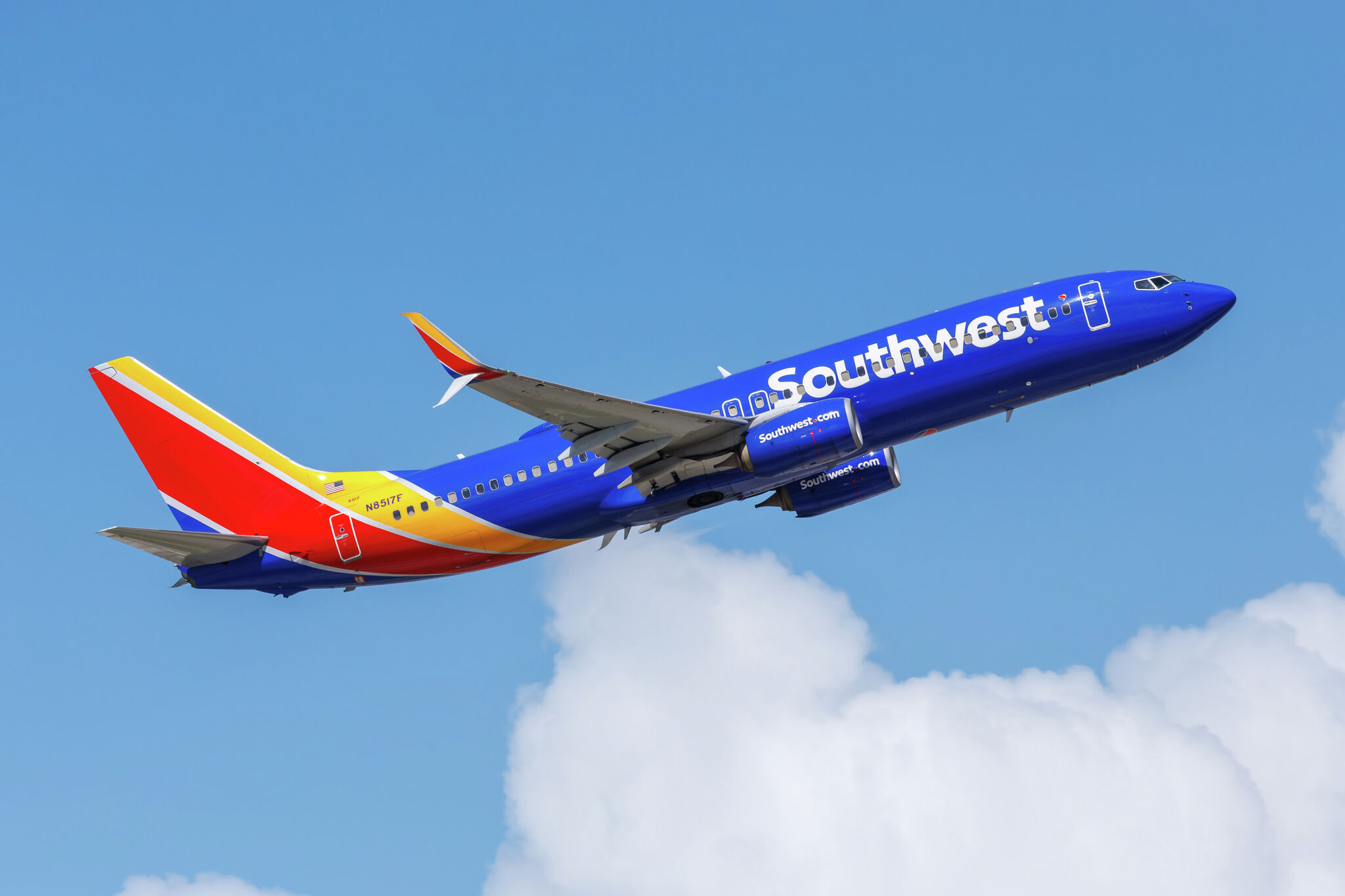
Major U.S. and international carriers launched Cyber Monday promotions across routes and vacation packages, with Allegiant offering up to 40% off, Breeze up to 60% with code CYBER, Frontier’s GoWild pass cut to $349 from $599, JetBlue up to $1,000 off select vacation packages, Delta and American providing package discounts (Delta offering up to $250 off with code SMBF2025), Southwest 50% off with code 50CYBER, TAP fares to Europe/Morocco from $349, SAS fares New York–Copenhagen from $429, and United and others offering package discounts via promo codes. The deals target 2025–2026 travel windows and are intended to stimulate bookings and leisure demand; for investors this is likely demand-supportive but not materially market-moving, as the announcements are promotional rather than fundamental shifts in revenue guidance.
Market structure: Cyber‑sales (discounts up to ~40%, Frontier pass down 42%, one‑ways < $100) signal a short‑term shift toward price stimulus to fill off‑peak capacity (Jan–Mar 2026). Winners: low‑cost carriers and package providers that can monetize ancillary revenue and stimulate incremental load; losers: legacy networks (AAL, UAL) that must match fares and risk RASM (revenue per ASM) compression if load factor gains < 3–5 percentage points. This increases price competition and risks a temporary yield curve flattening within the airline group.
Risk assessment: Near‑term (days–weeks) volatility driven by booking updates and holiday spending prints; medium term (1–3 quarters) margin pressure if forward bookings don’t pick up or jet fuel > $100/bbl (tail shock). Hidden dependencies include ancillary revenue recovery, corporate travel rebound, and promotional cannibalization of regular fares. Catalysts: weekly forward load reports, Thanksgiving/Cyber booking cadence over next 2–4 weeks, and Dec/Jan jet‑fuel moves.
Trade implications: Favor relative‑value long exposure to low‑cost carriers and travel aggregators while hedging legacy exposure. Use options to size asymmetric bets around 3‑month booking windows; expect catalysts within 30–90 days as P&L guidance updates. Cross‑asset: anticipate modest widening of high‑yield airline spreads if investors reprioritize yield over volume.
Contrarian angle: Market may overprice margin damage—if promos increase package penetration and ancillary take‑rates rise by 150–300 bps, legacy carriers can offset yield loss. Historical parallel: 2021–22 promotional windows led to forward booking rebounds; miss vs. this pattern would be the real warning sign.
AI-powered research, real-time alerts, and portfolio analytics for institutional investors.
Request DemoOverall Sentiment
mildly positive
Sentiment Score
0.25
Ticker Sentiment
