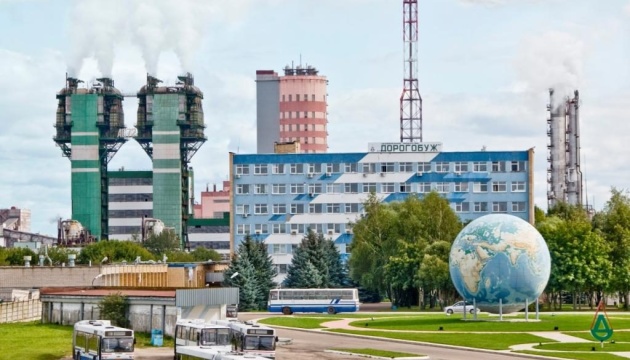
Drones attacked the Dorogobuzh chemical plant in Russia's Smolensk region, triggering a fire at the facility that produces nitrogen fertilizers including ammonium nitrate and other industrial chemicals reportedly used by Russia's defense sector. The site was previously attacked on December 11, 2025; officials say the Dorogobuzh Thermal Power Plant component was burning, raising the prospect of localized disruption to fertilizer and defense-related chemical supplies. Hedge funds should monitor regional supply tightness in nitrogen fertilizers and any broader escalation risk that could affect commodity flows or related Russian industrial output.
Market structure: The strike on Dorogobuzh tightens regional ammonium nitrate/urea availability and shifts short-term pricing power to non-Russian producers with spare ammonia capacity (expect regional spot urea/ammonium nitrate +10–30% within 1–6 weeks if no quick repairs). Winners in equities: global fertilizer names with spare capacity (CF, MOS, NTR); losers: Russian chemical exhibitors and regional grain processors and utilities exposed to feedstock supply (RUB assets likely weaker). Cross-asset: expect 5–12% upside in nearby wheat/corn futures on demand shock risk, Russian credit spreads +200–400bp, and elevated options volatility in fertilizer/Ag names over 1–3 months.
Risk assessment: Tail risk includes a broader campaign hitting multiple plants (≥3) or western insurance ban on Russian chemical exports, which would produce a structural 30–50% fertilizer price shock and material food-price CPI upside within 3–12 months. Immediate (days) effects are spot dislocations; short-term (weeks–months) are rerouting and margin expansion for producers; long-term (quarters–years) are CAPEX lead times of 6–24 months to rebuild capacity. Hidden dependencies: natural gas feedstock prices, shipping/insurance corridors, and sanctions timing; catalysts include further strikes, sanctions, and winter heating demand.
Trade implications: Implement tactical longs in US-listed fertilizer producers (CF, MOS, NTR) with 3–6 month horizons and defined stops, plus directional exposure to Ag commodities (long wheat/corn call spreads) to capture knock-on crop risk. Use 3–6 month 25–30% OTM call spreads on CF/NTR to limit premium outlay; consider pair trade long MOS vs short RSX (Russia ETF) to isolate supply shock vs geopolitical beta. Entry: scale in over 2 weeks; target exits at +25–40% or after 3–6 months; hard stop -15% per position.
AI-powered research, real-time alerts, and portfolio analytics for institutional investors.
Request DemoOverall Sentiment
strongly negative
Sentiment Score
-0.60
Contrarian angles: The market may overprice permanent loss—historical shocks (2022) saw partial relief in 6–12 months as rerouting and emergency imports arrived, so avoid long-duration outright calls; conversely, the market may underprice insurance/transport disruption risk which can extend shortages beyond 12 months. Unintended consequence: sustained price spikes could reduce fertilizer application and depress demand next season, forcing mean reversion; hedge medium-term longs with short-dated protection and staggered profit-taking after front-month rallies.
