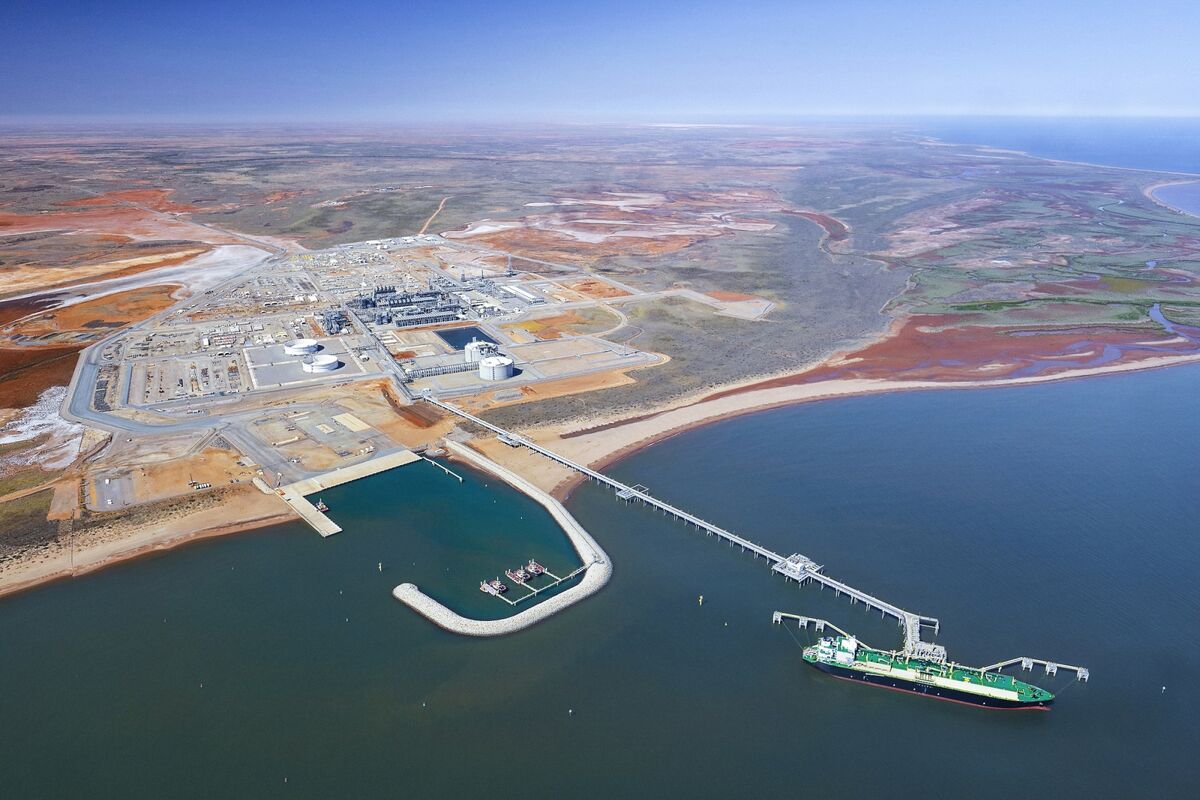
Damage at Chevron's Wheatstone LNG plant is delaying a full restart and the facility won’t be back online fully for weeks, tightening global LNG supply. Tropical Cyclone Narelle disrupted multiple Australian LNG facilities and adds to existing shocks from the Middle East war (Strait of Hormuz effectively shut) and a major Qatari export-plant outage earlier this month. Expect upward pressure on LNG prices and heightened volatility in energy markets while restart timelines remain uncertain.
Global LNG balances are now a game of marginal cargoes and shipping flexibility; with near-term spare export flexibility measured in low single-digit percentage points, each disrupted cargo amplifies spot price moves. Expect incremental JKM/HKM volatility in the order of $1.5–3/MMBtu on successive cargo losses and tight Atlantic/Pacific arbitrage windows that force re-routing and raise freight premia for 2–8 weeks.
The immediate winners are owners of flexible US cargoes and LNG shipping/FSRU assets because route reshuffles and premium freight materially increase per-cargo gross margin; the losers are buyers with near-term deliverability gaps (merchant buyers and short-dated utility hedges), plus integrated producers who have fixed lifting schedules and limited ability to monetize higher spot. Secondary effects to watch: higher gas-for-power spark spreads in Asia that reprice coal imports, pressuring regional thermal coal availability and shipping, and fertilizer/NGL feedstock squeezes that can lift urea prices within 1–3 months.
Key catalysts and risks: repair timelines and contractor capacity (2–6 weeks to stabilize, months to fully normalize) set the near-term supply curve; insurance settlements and scope of physical damage determine whether lost volumes are a short blip or a multi-month deficit. Reversal drivers include rapid mobilization of spare floating regas/FSRU capacity, a cold snap that reverses cargo flows, or demand destruction in Asia if spot LNG spikes >$5–6/MMBtu versus forward curves — any of which would compress the current premium within 1–3 months.
AI-powered research, real-time alerts, and portfolio analytics for institutional investors.
Overall Sentiment
mildly negative
Sentiment Score
-0.35
Ticker Sentiment
