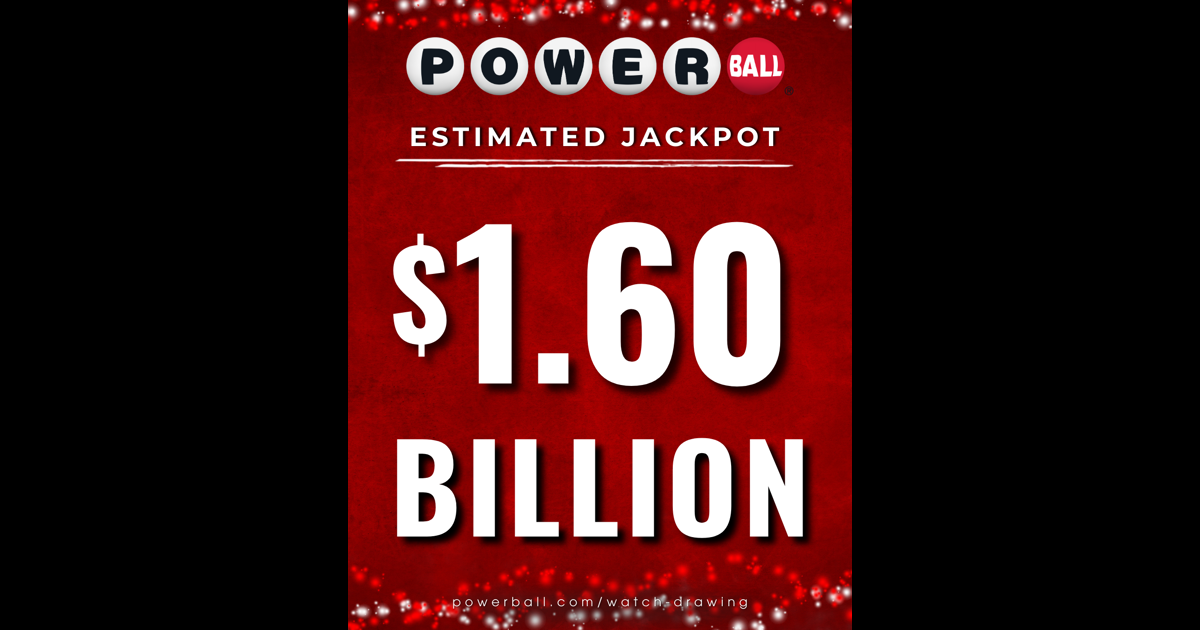
The Powerball jackpot rolled to an estimated $1.60 billion annuity ($735.3 million cash) after no ticket matched the numbers 4, 5, 28, 52, 69 and Powerball 20; the Power Play was 3. Monday’s drawing will mark the 46th consecutive drawing in the current jackpot run — a game record — and eight Match 5 tickets (one in several states including CA, FL, IA, MA, MI (2), NH and OH) each won the $1 million set prize (pari-mutuel in CA), with additional 112 $50,000 and 22 $150,000 prizes and a $500,000 Double Play winner in New Jersey. Tickets are $2 per play, sold in 45 states plus DC, Puerto Rico and the U.S. Virgin Islands, proceeds support state programs, and the jackpot odds remain 1 in 292.2 million; winners may choose a 30‑year increasing annuity or the $735.3M lump sum before taxes.
Market structure: The immediate winners are brick-and-mortar retailers and lottery vendors (convenience stores, grocery front-ends) that capture incremental foot traffic and impulse $2 ticket sales; state lotteries and their beneficiary budgets also briefly benefit. Pricing power is unchanged — tickets are fixed-price — but share-of-wallet shifts (short, impulsive purchases) favor retailers with high checkout throughput; expect a 24–72 hour concentrated revenue bump rather than durable margin expansion.
Risk assessment: Tail risks include regulatory changes (e.g., limits on promotion/online expansion), operational fraud or a disputed jackpot payout, or a single-ticket win concentrated in one jurisdiction that collapses nationwide ticket demand; these are low probability but high impact on weekly sales patterns. Time horizons: immediate (days) — big sales spike and volatility in retail comps; short-term (weeks) — reversion to baseline; long-term (quarters+) — neutral unless states expand online sales (material for digital payment processors).
Trade implications: Tactical plays should target short-duration, high-gamma exposure to convenience retailers and payments at the point-of-sale, not long-duration consumer names. Expect retail comps to move a few percent at most; use tight stop-losses and short-dated options to capture 48–10-day windows when ticket demand peaks.
Contrarian angle: The market underestimates the predictability and repeatability of these spikes for specific retail chains that heavily promote lotteries — this is a repeatable, calendar-driven micro-event you can front-run. History (big jackpots in 2022–2024) shows spikes typically reverse in 1–2 weeks, so avoid buying multi-quarter narratives; the mispricing is in short-dated instruments and relative spreads, not in long-term secular calls.
AI-powered research, real-time alerts, and portfolio analytics for institutional investors.
Request DemoOverall Sentiment
mildly positive
Sentiment Score
0.30
