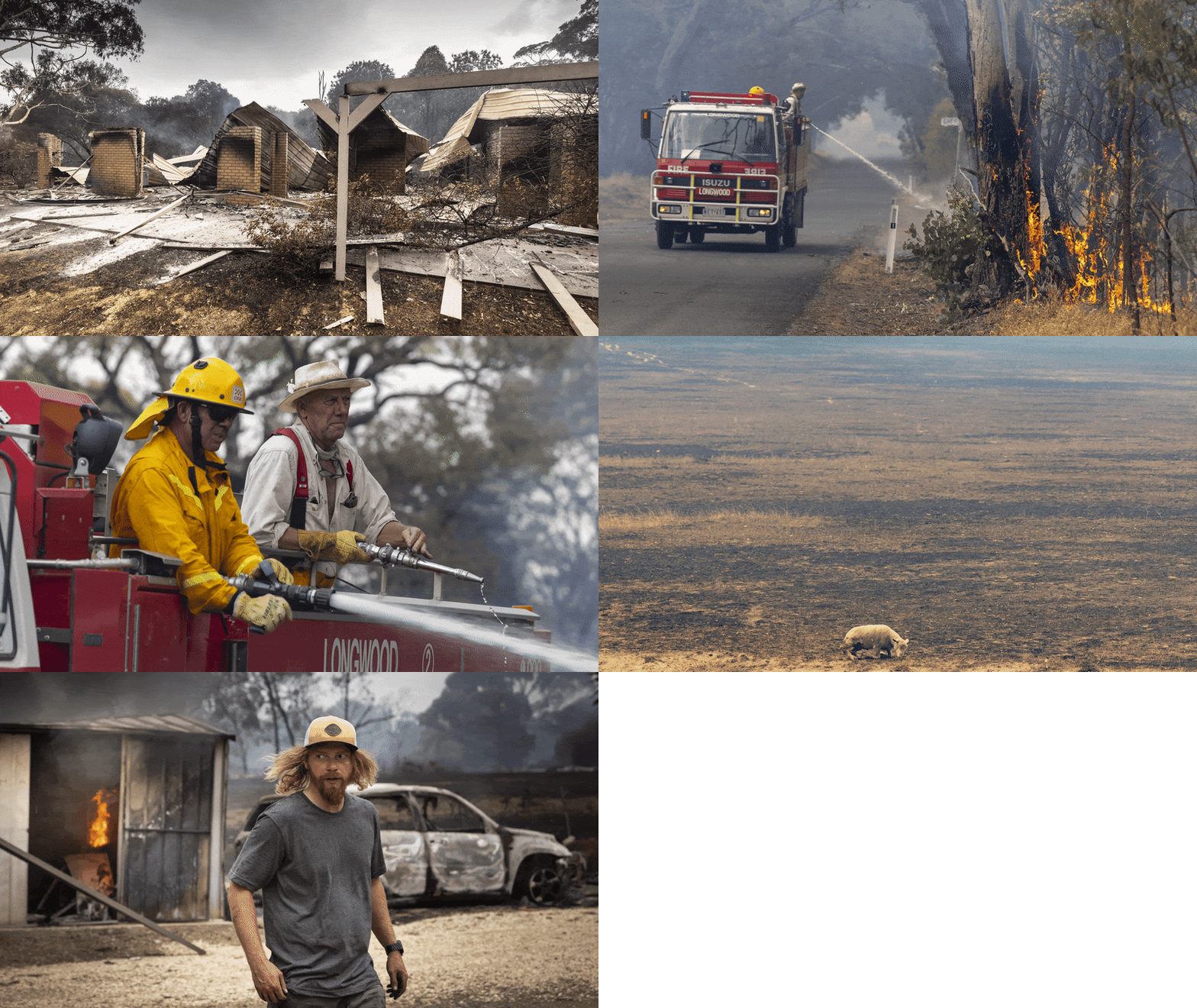
Northern and north‑west areas are experiencing extreme heat with Walpeup reaching 45.0°C, Longwood 41.3°C and the Walwa fire grounds 37.3°C; wind gusts up to ~60 km/h are expected, and a cool change has reached the south‑west coast and is forecast to sweep across Melbourne between 6–7pm and later the Longwood area. Authorities warn the incoming cool change could produce wind shifts that may complicate firefighting operations — a localized operational risk for insurers, utilities and regional assets, but unlikely to move broader markets.
Market structure: Near-term winners are electricity generators and network owners in the National Electricity Market (e.g., AGL.AX, ORG.AX, APA.AX) because heat-driven demand and localized outages can push wholesale prices +20–200% intraday; losers are regional property REITs and direct-writing insurers (IAG.AX, SUN.AX, QBE.AX) facing concentrated claims and business interruption in Victoria/NSW. Pricing power shifts to spot-exposed generation and back-up fuel suppliers while insurers will seek rate rises over the next 2–4 quarters to restore loss ratios.
Risk assessment: Tail risks include a multi-day grid outage or catastrophic fire season producing insured losses >A$1bn (company-specific hits of 5–20% EPS) or rapid regulatory moves (premium caps/mandates) within 3–6 months. Immediate window (days) is dominated by power/spot volatility and firefighting logistics; 1–3 months for claims reserving; 3–12 months for premium repricing and capex to harden networks. Hidden dependency: transmission constraints can amplify local price moves even if state-level demand is steady.
Trade implications: Favor short-dated, volatility-sensitive trades: one-month call exposure on spot generators to capture price spikes; defensive long in transmission/infrastructure (APA.AX) for 3–12 months; tactical short/underweight (3%–5% NAV) in direct insurers into next reporting cycle. Use options to cap downside (call spreads on generators, protective puts on shorts) and set stop-loss thresholds (e.g., +12% adverse move).
Contrarian angles: Market may over-penalize major insurers because reinsurance typically covers large cat losses—if final industry losses <A$500m, insurer selloff will be overdone and mean-revert within 3 months. Historical parallel: 2019–20 bushfires produced short-lived price moves in utilities and quick recovery in insurer equity valuations. Unintended consequence: government subsidies or emergency energy procurement could cap upside for generators beyond 3–6 months, so size positions small and prefer option structures.
AI-powered research, real-time alerts, and portfolio analytics for institutional investors.
Request DemoOverall Sentiment
neutral
Sentiment Score
0.00
