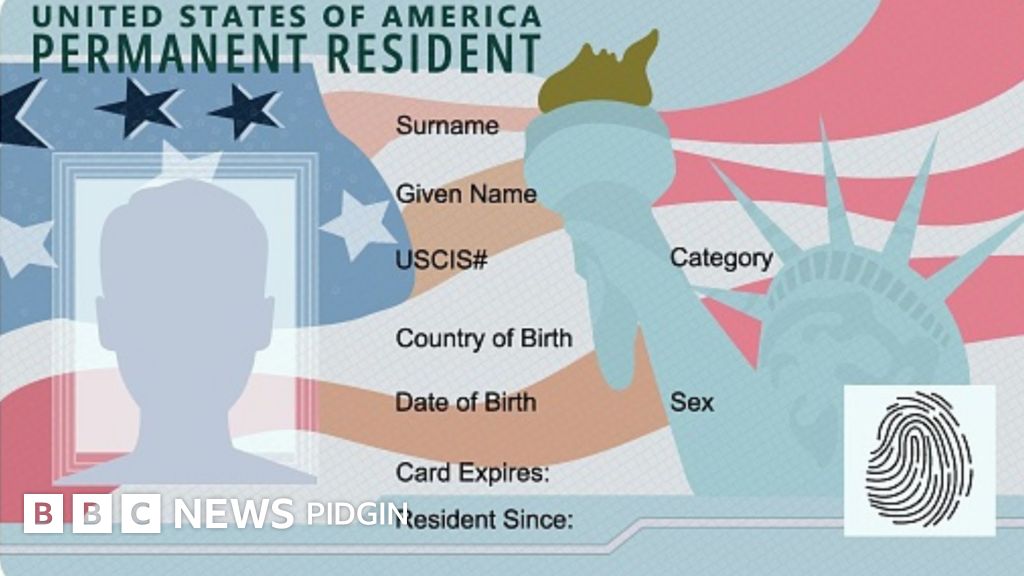
The White House ordered Homeland Security Secretary Kristi Noem to suspend the Diversity Immigrant Visa (DV) lottery after investigators linked the suspect in recent Massachusetts and Rhode Island shootings to a green card obtained via the 2017 DV program. The DV program — which allocates up to 50,000 visas annually to nationals of low‑immigration countries and is administered across State Department and USCIS functions — has been politically contentious, with prior suspensions under Trump in 2020; the administration did not cite a clear legal mechanism for the pause, raising prospects of litigation and policy uncertainty for immigration flows.
Market structure: The immediate winners are homeland-security and defense contractors and niche private-security vendors who sell border-control, vetting and forensic services (expect a 1–3% demand uptick for contract renewals vs. baseline over 6–12 months). Losers are concentrated: research universities, STEM startups and small/mid‑cap tech firms that recruit via diversity and specialized immigrant channels — headcount bottlenecks could raise junior engineering wages by ~1–3% regionally, compressing margins for tight-margin small caps.
Risk assessment: Tail risks include a permanent statutory ban or a broader tightening of skilled visas (high‑impact but low‑probability) and rapid legal reversals (court injunctions) within 30–90 days; either outcome would reprioritize winners/losers. Hidden dependency: H‑1B and employment‑based flows are politically linked — a sustained attack on the lottery increases odds (from baseline ~15% to ~30% over 12 months) of future restrictions on skilled-worker visas.
Trade implications: Tactical long exposure to large-cap defense (lower execution risk) and short/underweight positions in talent‑sensitive small caps are the clean plays; expect muted macro reactions, but 1–3 week windows of headline-driven volatility suitable for options. Cross-asset: expect a modest safe‑haven knee-jerk into Treasuries (5–12bp lower yields intraday) and transient VIX spikes; FX moves likely immaterial.
Contrarian angle: The market may overstate the talent shock — 50k lost lottery visas is <5% of annual employment-based inflows, so long-term productivity impacts are diffuse and likely under 1% GDP effect. The mispricing is in niche mid‑cap security contractors with thin coverage: if policy normalizes within 60 days those names will mean-revert; if it persists, large defense primes already price in the upside so alpha likely in smaller, undervalued vendors.
AI-powered research, real-time alerts, and portfolio analytics for institutional investors.
Request DemoOverall Sentiment
mildly negative
Sentiment Score
-0.30
