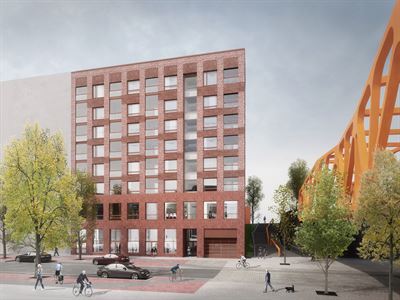
YIT has commenced construction of the Circular Economy Block in Jätkäsaari, Helsinki — an 11,000+ sqm turnkey project for developer Yrjö and Hanna Foundation comprising 70 right-of-occupancy apartments, 84 senior rental units, service spaces and business premises, with completion targeted for spring 2028. The project emphasizes circular-economy construction and low-carbon materials (including a new circular economy brick, low‑carbon concrete), on-site geothermal heating and rooftop solar, and is positioned as an affordable, repeatable model within Helsinki’s development programme. For investors, the announcement is a positive operational development for YIT (listed on Nasdaq Helsinki; 2024 revenue EUR 1.8bn), but is project-level and unlikely to materially move markets or near-term financials.
Market structure: The project directly benefits YIT (HEL:YIT) as turnkey contractor, local foundation owners (Yrjö & Hanna) and niche suppliers — circular bricks, geothermal and solar installers — who can charge a 5–15% premium for certified low‑carbon materials and installation in early adopters. Traditional heavy‑materials players (cement/clinker incumbents) face marginal demand erosion in city projects but near‑term pricing power is intact because scale of circular projects remains under 1% of EU construction spend today.
Risk assessment: Near term (days–months) the market impact is negligible; medium term (6–18 months) procurement bottlenecks for recycled inputs and cost inflation (±€5–10/sq m) could compress margins for contractors. Tail risks include permit/financing withdrawal, technology underperformance (geothermal ROI misses by >100–200 bps) or regulatory rollback; catalysts that would amplify effects are municipal mandates or green financing commitments within 60–180 days.
Trade implications: Direct actionable plays favor small, sized long exposure to YIT.HE and ESG‑focused Nordic contractors (e.g., SKA‑B.ST) ahead of broader contract flow, plus overweight in 3–5y green corporate bonds to capture anticipated issuance and spread tightening of 30–70bp. Options: use long‑dated call spreads to cap capital (buy Jan‑2028 call / sell higher strike) to express upside to project completion while limiting downside.
Contrarian angles: Consensus underestimates implementation friction — widespread substitution of virgin materials will take 3–7 years, so avoid overpaying for large cap materials shorts now. Conversely, small-cap producers of recycled façade systems (private or micro‑cap) are underpriced; consider selective PE/structured credit exposure to those suppliers rather than broad commodity shorts to capture 2–4x returns if municipal procurement scales by >200% by 2028.
AI-powered research, real-time alerts, and portfolio analytics for institutional investors.
Request DemoOverall Sentiment
moderately positive
Sentiment Score
0.38
