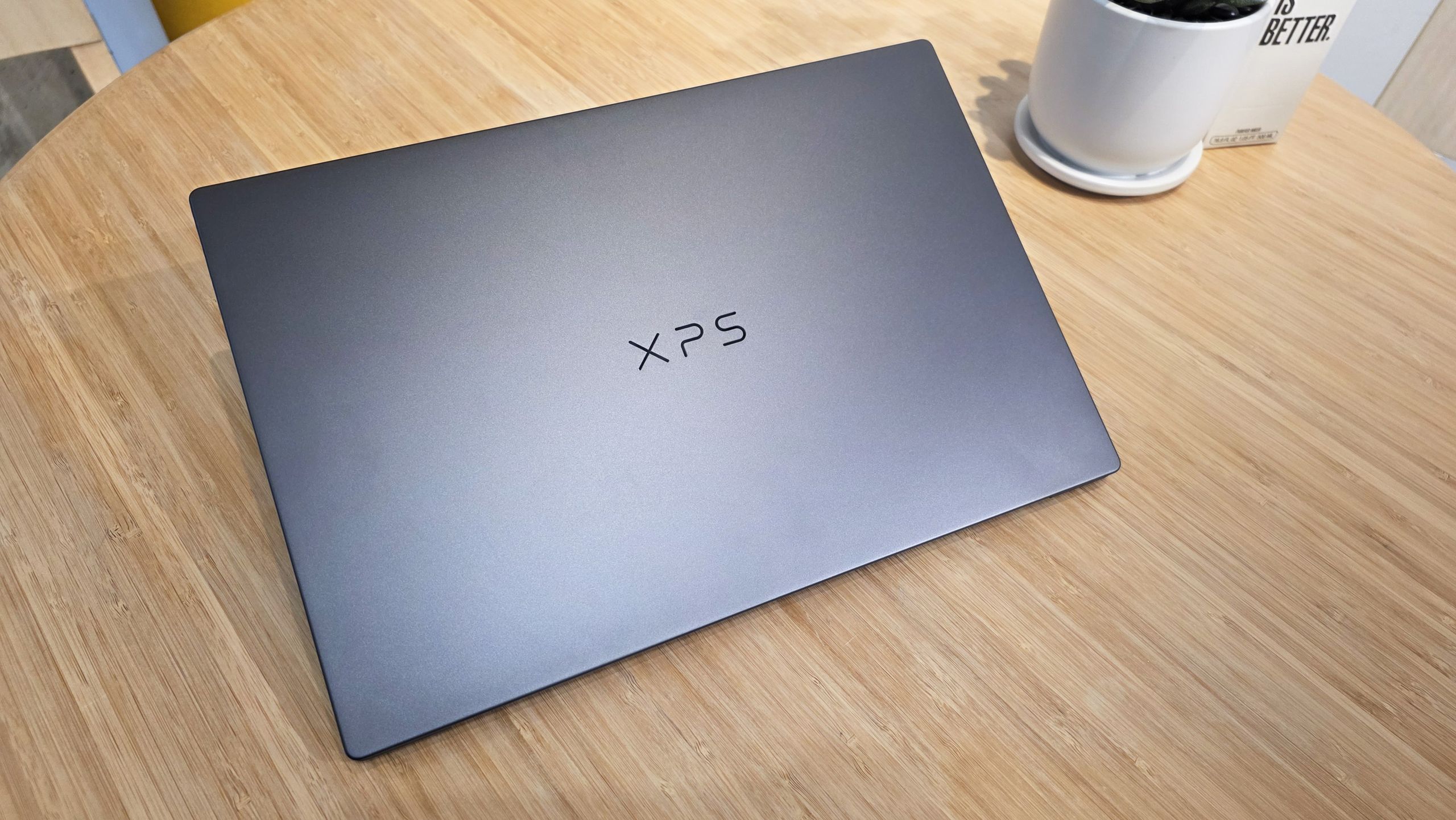
Dell executives admit consumers are not buying PCs for AI features, with head of product Kevin Terwilliger saying AI 'probably confuses them more than it helps' and Dell deliberately avoiding 'AI-first' messaging despite including NPUs in new hardware. COO Jeff Clarke cited the "un-met promise of AI" and memory shortages as contributors to weak PC demand, representing a setback for Microsoft's Copilot+ PC upgrade thesis and posing downside risks to OEM upgrade cycles and near-term industry growth.
Market structure: Dell's candid admission signals a consumer-PC upgrade cycle driven by battery/lifetime/price rather than AI features; expect consumer PC volumes to be flat-to-down ~0–5% YoY over the next 12 months and OEMs to compete on price and battery/thermals, compressing gross margins by ~100–250 bps versus a “AI-premium” scenario. Microsoft bears reputational risk around Copilot+ adoption; the hardware-led upgrade thesis for Windows is weakening while datacenter/cloud AI demand (NVDA, AMZN, GOOGL) remains intact.
Risk assessment: Near-term (days-weeks) risk is sentiment-driven equity moves around Dell/MSFT comments; short-term (1–3 months) risks include inventory builds and DRAM/NAND price swings if consumer demand softens; tail risks (low prob/high impact) include regulatory/privacy action against Windows Recall or an enterprise pivot away from Windows bundles that could hit MSFT revenue recognition over quarters. Hidden dependency: OEM revenue recovery depends on enterprise refresh cadence and holiday sell-through, not consumer AI marketing.
Trade implications: Tactical trades favor selective OEM longs that explicitly de-emphasize AI messaging (DELL) and long semiconductor/cloud exposure to capture backend AI demand (NVDA, AMZN) over 6–12 months. Use defined-risk options to express negative views on MSFT’s device-led thesis in the 60–120 day window while avoiding large directional bets on broad consumer demand.
Contrarian angles: Consensus equates “AI failure” in consumer PCs with broader AI slowdown — that’s likely overdone. If Microsoft pivots Copilot to subscription/cloud experiences, valuation upside could reappear; conversely, OEMs cutting AI marketing could save SG&A and modestly improve margins, a nuance the market may miss.
AI-powered research, real-time alerts, and portfolio analytics for institutional investors.
Request DemoOverall Sentiment
moderately negative
Sentiment Score
-0.35
Ticker Sentiment
