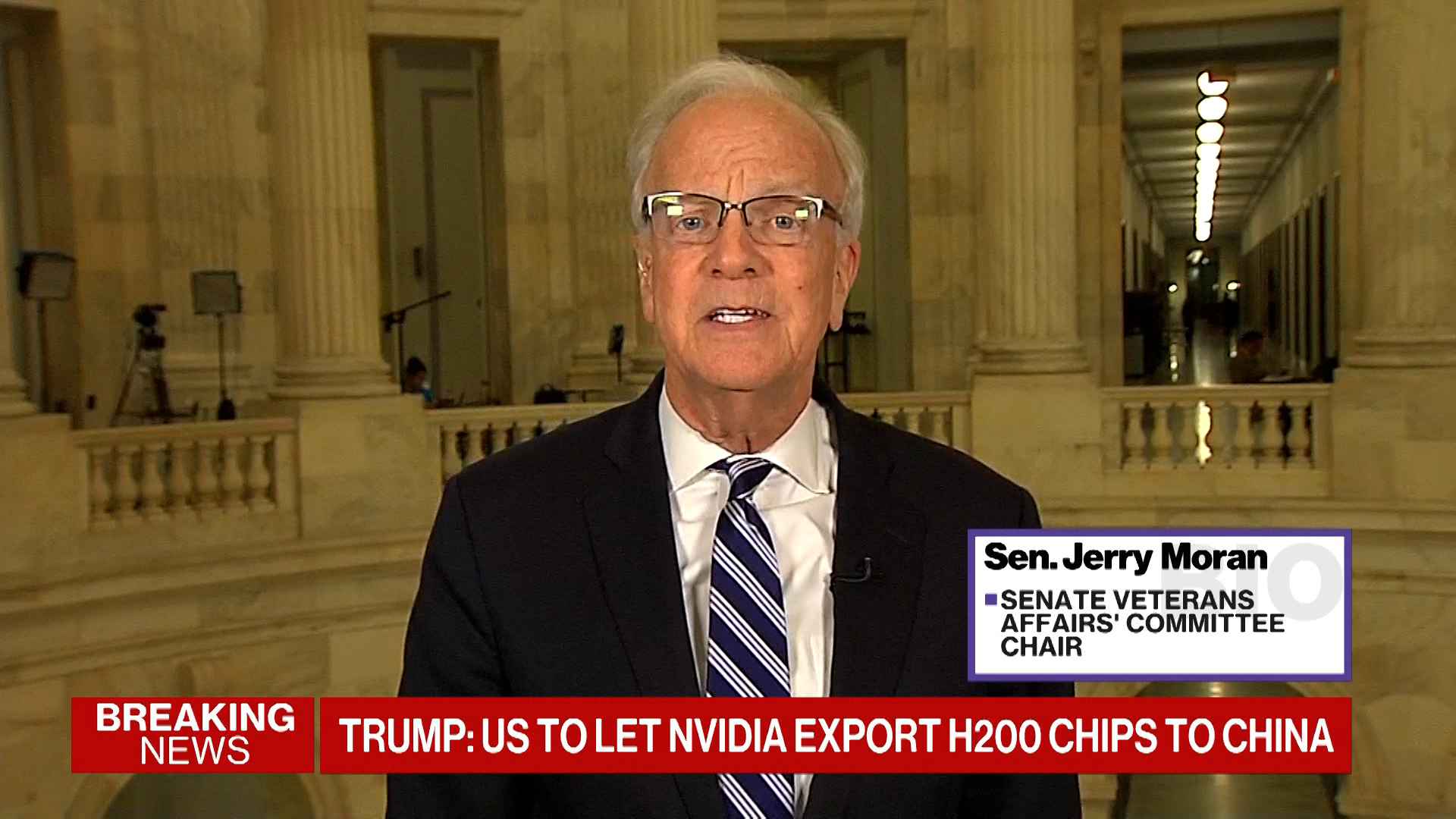
Sen. discussion highlights potential national-security and regulatory scrutiny over cross-border distribution of high‑performance AI chips, with Commerce and Senate Intelligence committees seeking briefings as export controls and competitiveness are weighed. Separately, Paramount is reported to be mounting a hostile bid for Warner Bros backed by Infinity Partners with alleged Kushner and Saudi involvement—raising antitrust, foreign‑investment and political influence questions—while the administration plans $12 billion in farm payments amid tariff‑related trade disruption. The senator also voiced support for Boeing's reported ~$5 billion repurchase of Spirit Aerosystems to reunify supply chain control and improve aviation safety, signaling potential sector consolidation implications.
Market structure: Boeing (BA) is the clear direct beneficiary if the reported $5B reabsorption of Spirit (SPR) closes — it reclaims control over a high-margin fuselage/structure supplier, reducing supplier coordination costs and potentially improving gross margins by 100–200bps over 12–24 months if integration succeeds. SPR equity and bondholders are losers: expectation of buyout premium is offset by being delisted/absorbed and near-term operational scrutiny (SPR implied vol +30% likely). Media M&A (PGRE) and AI chip export discussions shift pricing power toward incumbent U.S. chipmakers if sales continue; if controls tighten, incremental lost China revenue could be 10–25% of high-end GPU volumes over 12 months.
Risk assessment: Tail risks include a CFIUS/Commerce/Intelligence-led block or material conditions on cross-border deals (30–60 day window for hearings) and FAA/quality liabilities that could impose a 10–25% one-time hit to BA equity if legacy issues re-emerge. Near-term (days) volatility will spike around official DOJ/FTC/FCC statements; short-term (weeks–months) risk centers on regulatory approvals and Congressional attention; long-term (1–2 years) risk is integration execution and supply-chain reshoring costs. Hidden dependencies: Spirit's backlogs, supplier contractual change-of-control clauses, and possible litigation from prior incidents.
Trade implications: Take a tactical overweight to BA and underweight to SPR/PGRE. Implement delta-limited option exposure: buy BA 6–9 month call spreads to capture 10–25% upside while selling premium, and buy SPR 3–6 month puts or short stock to capture buyout/decline dynamics. Rotate 3–6% of portfolio into Aerospace & Defense names with >20% defense revenue and underweight pure-play media/streaming. Entry window: deploy over next 7 trading days; re-evaluate at 30/60/90-day regulatory milestones.
Contrarian angles: Consensus views the BA move as uniformly positive — market is underpricing integration, quality and FAA liability risks, and overpricing the certainty of SPR disposal. Conversely, PGRE/Paramount deal risk from politically connected funding (Saudi/Jared Kushner) could prolong review and depress PGRE 10–30% from current levels; consider a small volatility long in SPR and an opportunistic long in semiconductor capital-equipment names if Commerce signals relaxions (a potential catalyst that could lift NVDA supply-chain names by 15–30% over 6–12 months).
AI-powered research, real-time alerts, and portfolio analytics for institutional investors.
Request DemoOverall Sentiment
neutral
Sentiment Score
-0.10
Ticker Sentiment
