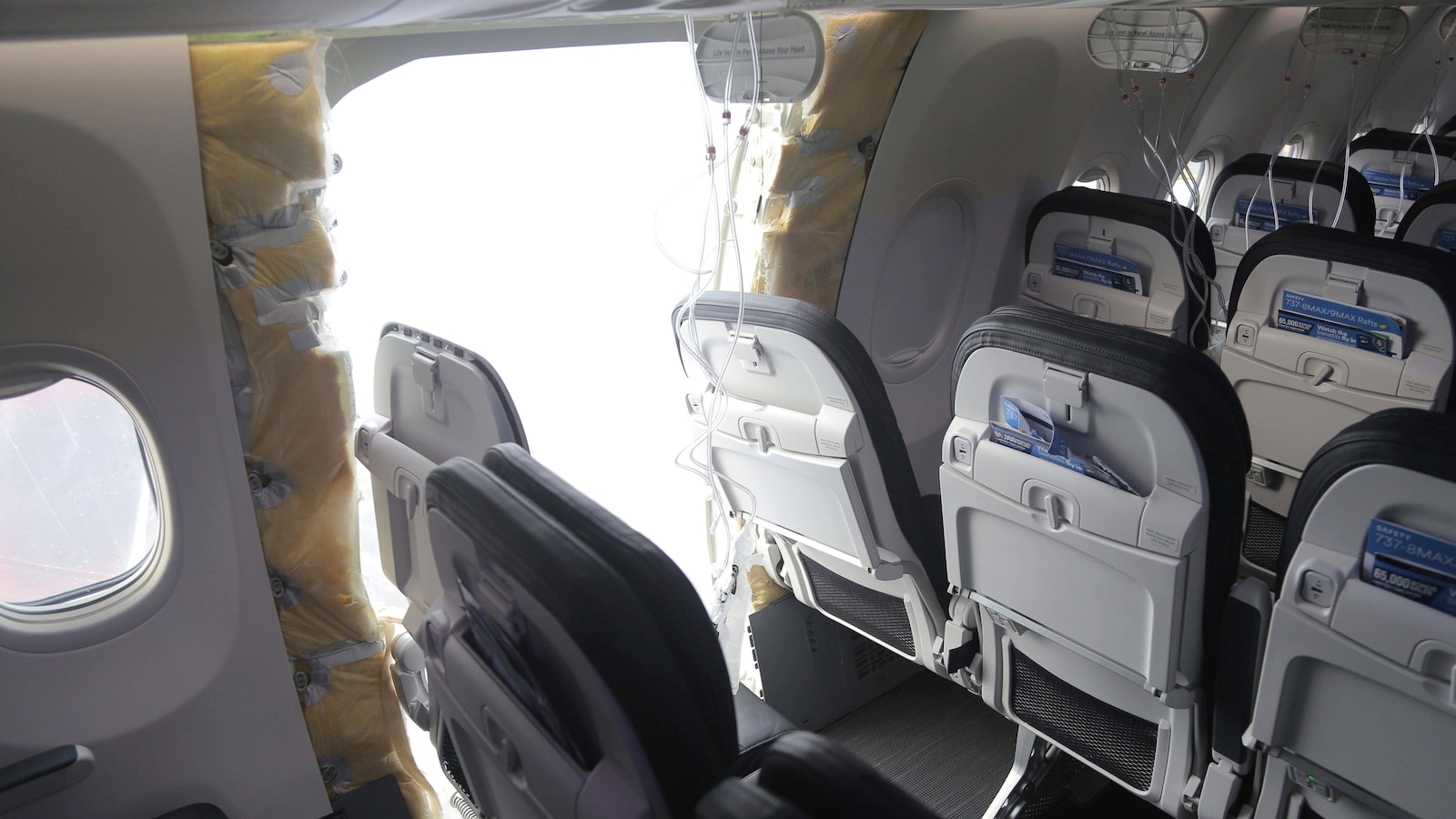
Captain Brandon Fisher has sued Boeing in Oregon after being publicly praised for safely landing Alaska Airlines Flight 1282 when a 2x4 ft door-plug panel blew out minutes after a January 2024 takeoff with 177 onboard, alleging Boeing unfairly shifted blame onto the crew. The NTSB found four bolts had been removed and never replaced during assembly, implicating Boeing and supplier Spirit Aerosystems (since acquired by Boeing); the FAA fined Boeing $3.1 million but later approved a production increase to 42 737 Max aircraft per month after inspectors were satisfied with corrective measures. The suit increases Boeing's legal and reputational risk even as company leadership emphasizes safety under CEO Kelly Ortberg.
Market structure: This incident reinforces near-term headwinds for Boeing (BA) and implicated suppliers (SPR) — expect reputational damage to translate into 3–7% incremental margin pressure over 12–24 months as quality-control spend, warranty reserves and legal accruals rise. Winners include MROs and independent inspection vendors (higher aftermarket demand) and Airbus (EADSY) as a credible alternative for single-aisle buyers if OEM risk aversion grows.
Risk assessment: Tail risks include FAA-imposed production restrictions, multi-billion dollar settlements, or major airline order deferrals/cancellations; probability low-medium but impact high (10–30% downside to BA market cap). Near term (days–weeks) volatility will be headline-driven; medium-term (3–12 months) legal rulings, NTSB final reports and FAA enforcement actions are key catalysts; long term (1–3 years) operational fixes and cultural change determine market-share and margin recovery.
Trade implications: Expect BA credit spreads and equity IV to widen; defensive trades are appropriate — buy 3–9 month BA puts or implement collars to hedge exposure; consider relative-value pair trade long Airbus (EADSY) vs short BA for 6–12 months to capture potential share rotation. Monitor SPR for indemnity language or asset write-downs; supplier consolidation risk could produce asymmetric downside.
Contrarian angle: Consensus may overshoot on BA secular damage — demand for single-aisle aircraft remains structurally strong, so any >20% protracted BA drawdown could be a tactical buying opportunity for 12–24 month recovery if FAA and customers do not impose fleet-level grounding. The mispricing window will close when NTSB final report or large customer commitments are announced; those are concrete re-pricing events.
AI-powered research, real-time alerts, and portfolio analytics for institutional investors.
Request DemoOverall Sentiment
moderately negative
Sentiment Score
-0.30
Ticker Sentiment
