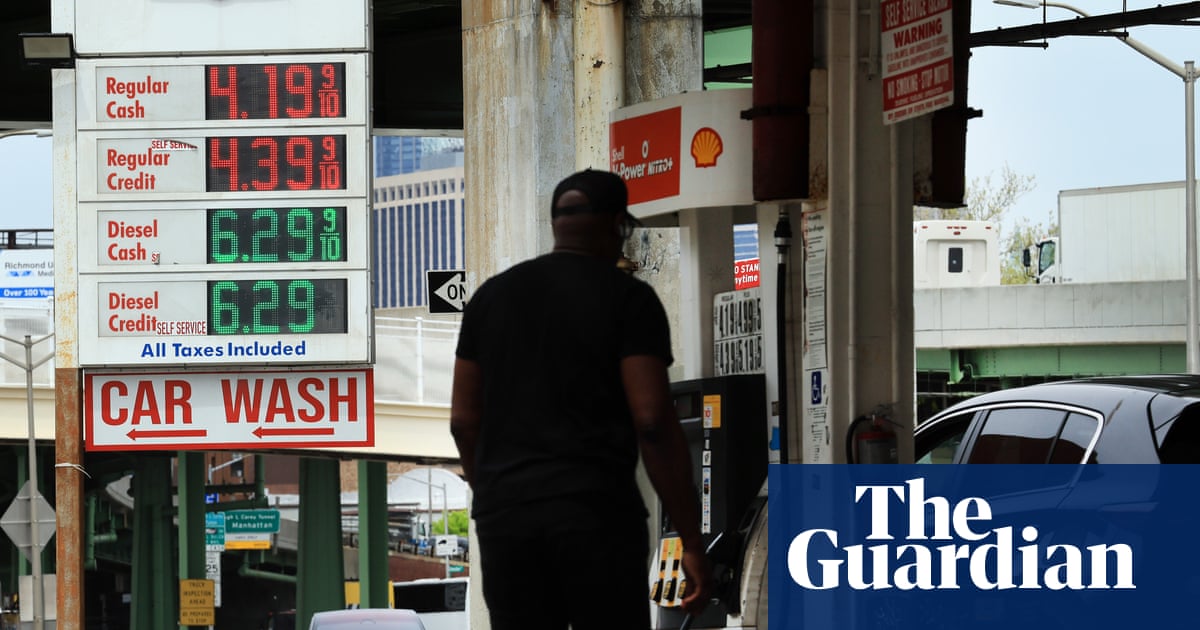
US Q1 2026 GDP accelerated to 2% from 0.5% in Q4 2025, but the article highlights slowing consumer spending, higher inflation expectations, and a wartime oil spike to $126 a barrel. Government spending rebounded 4.4% after a 5.4% contraction, while domestic investment rose 6.4% on AI-related infrastructure spending. The war with Iran has already cost the US at least $25bn, added pressure to inflation, and kept the Fed in a hold-and-wait stance amid political pressure over rates and tariffs.
The market implication is not simply “growth up, energy up”; it is a late-cycle mix shift toward capex-heavy nominal growth with a consumer margin squeeze underneath. That combination usually favors firms with pricing power and balance-sheet insulation while punishing long-duration discretionary demand, especially businesses exposed to shipping, plastics, and lower-income consumption where energy and tariff pass-through hit quickest. The AI/infrastructure spend leg is likely more durable than the headline GDP acceleration suggests, because once power, data-center, and grid spending starts, it tends to persist for multiple quarters even if broader demand softens. The second-order risk is policy error: higher oil pushes inflation expectations up faster than realized CPI, which can force financial conditions tighter even before the Fed acts. That matters because the Fed is likely to stay on hold while the real economy is only now absorbing the energy shock; rate-cut odds can reprice lower even if growth moderates, creating a squeeze in high-duration equities and highly levered cyclicals. The bigger transmission is not headline inflation alone but a confidence shock that raises precautionary saving and delays discretionary purchases over the next 1-2 quarters. Defense spending is a double-edged winner: primes and select electronics suppliers should benefit from incremental budget authorization, but the surprise fiscal expansion also increases duration risk in the long-end if bond markets focus on deficits and supply. Meanwhile, the oil spike is likely to create a near-term relative outperformance opportunity in integrated energy and midstream, but the setup is vulnerable to any ceasefire headline or strategic reserve response that can unwind the move quickly. The consensus may be underestimating how fast consumer demand rolls over once gasoline and utility bills bleed into monthly budgets; that lag is usually 4-8 weeks, not months.
AI-powered research, real-time alerts, and portfolio analytics for institutional investors.
Request DemoOverall Sentiment
mildly negative
Sentiment Score
-0.35
