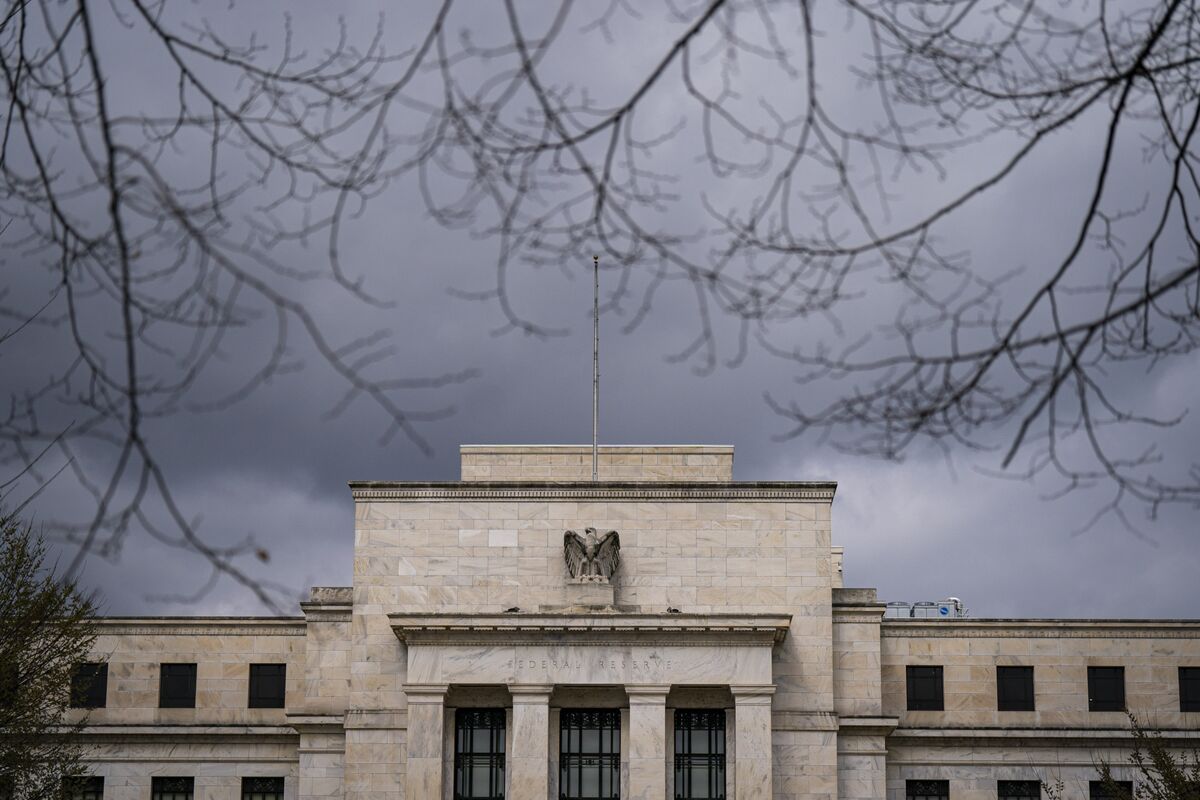
The Federal Reserve asked US District Chief Judge James Boasberg to uphold his ruling quashing two DOJ grand jury subpoenas seeking information on building-renovation cost overruns connected to the administration’s legal dispute involving Chair Jerome Powell. The Fed requested the judge reject US Attorney Jeanine Pirro’s motion to reconsider the quash. This is a legal/governance development with limited near-term market implications but could affect perceptions of Fed governance and oversight risk if escalated.
A durable legal precedent reinforcing confidentiality for central-bank processes materially lowers a political risk premium embedded in rate markets and bank valuations. That effect shows up as a compression of front-end term premium and lower realized volatility around Fed communications; expect 10–25bp of repricing in 2s–5s over 1–3 months if the precedent sticks and markets stop pricing headline-driven policy risk. Primary dealers and banks benefit disproportionately because predictable supervisory signaling cuts funding and liquidity frictions tied to surprise disclosures; non-bank fintechs that compete on transparency could see slower regulatory arbitrage opportunities.
Key catalysts are legal (appeal timing to the DC Circuit within 3–9 months), legislative (Congressional oversight hearings in the 6–12 month election cycle), and market (any macro shock that forces politicized scrutiny). The biggest tail is an adverse appellate decision or a narrow legislative carve-out that forces selective disclosure — that would reintroduce a 30–60bp front-end volatility shock within days and widen credit spreads for bank subordinated debt. Conversely, a clean win for institutional confidentiality should reduce the left-tail for financials and flatten parts of the yield curve over quarters.
The consensus underprices the optionality of protracted litigation: either outcome creates tradable windows of 1–12 months rather than a single headline move. Tactical positioning should be asymmetric: modest pro-risk exposure to financials and regional banks funded by small, cheap volatility and rate-structure hedges. Avoid outright duration punts; prefer relative and hedged exposures that monetize compression of political risk while protecting against sudden legal reversals.
AI-powered research, real-time alerts, and portfolio analytics for institutional investors.
Request DemoOverall Sentiment
neutral
Sentiment Score
0.00
