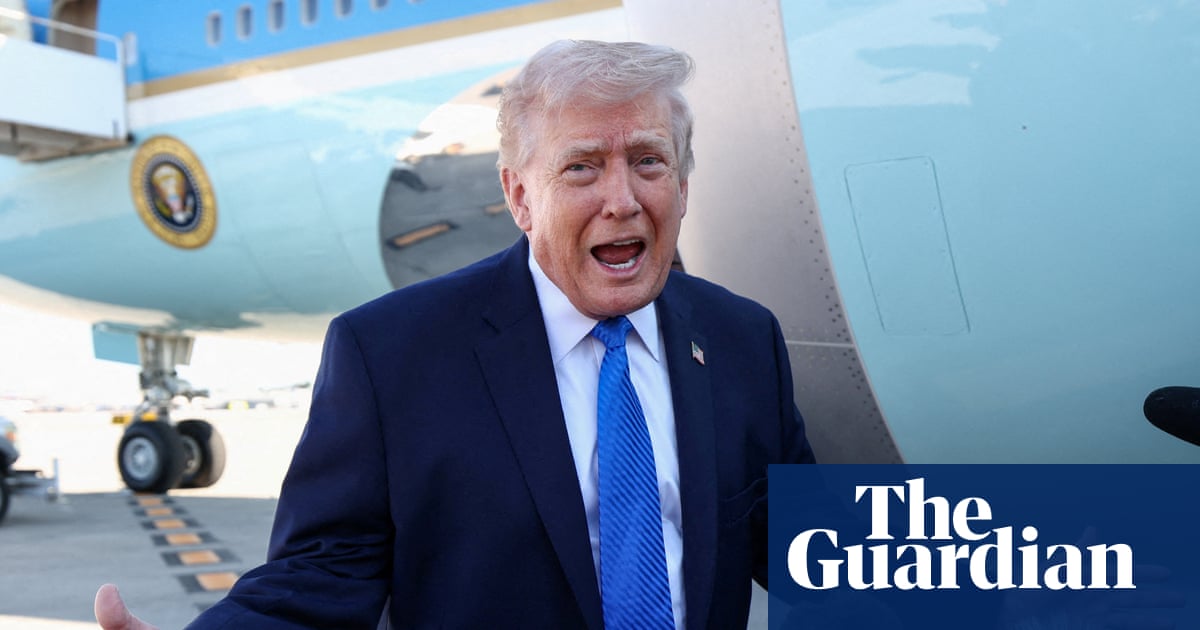
Key event: Trump threatened to destroy a $10bn Iranian power plant, prompting backchannel talks between US special envoy Steve Witkoff and Iran’s FM Abbas Araghchi with mediators (Egypt, Pakistan, Qatar, Turkey, Oman) involved. Trump announced a pause citing “very good and productive conversations,” but Iran issued denials and its leadership appears chaotic, keeping high risk of renewed escalation including disruption or control disputes over the Strait of Hormuz. Energy markets face material supply and price volatility if talks fail; this is a market‑wide geopolitical shock that has already driven risk‑off moves around the open.
The headline noise masks an asymmetric risk profile: the current backchannel uncertainty increases the probability of short, sharp supply shocks (days–weeks) while simultaneously raising the chance of a negotiated pause that relieves price risk over months. Operational second-order effects matter more than headline rhetoric — war-risk insurance multipliers (3x–5x) and rerouting via the Cape add c.10–14 days per voyage and raise freight fuel consumption and tanker charter costs materially, which flows through to product spreads and refinery economics within 1–6 weeks.
From a political-economy angle, fragmented Iranian command reduces the value of a centralized agreement and raises tail risk of a freelancing actor triggering a rapid disruption; conversely, any credible mediation that leads to conditional reopening of exports would likely unlock 0.5–1.5 mbpd of seaborne crude back into markets over 1–3 months, capping upside. Tendering and sanction-workarounds (insurance corridors, third‑party logistics) will be the revenue lever for intermediaries — expect supernormal earnings volatility in tanker owners, war-risk insurers and select refiners in the next quarter.
Market participants are mispricing asymmetric outcomes: near-term volatility is under-hedged while event hedges are cheap relative to realized jumps in similar past episodes. Positioning should therefore prioritize defined‑risk tail protection and short-duration directional exposure to beneficiaries of either a temporary supply squeeze or a diplomatic thaw.
AI-powered research, real-time alerts, and portfolio analytics for institutional investors.
Request DemoOverall Sentiment
mildly negative
Sentiment Score
-0.25
