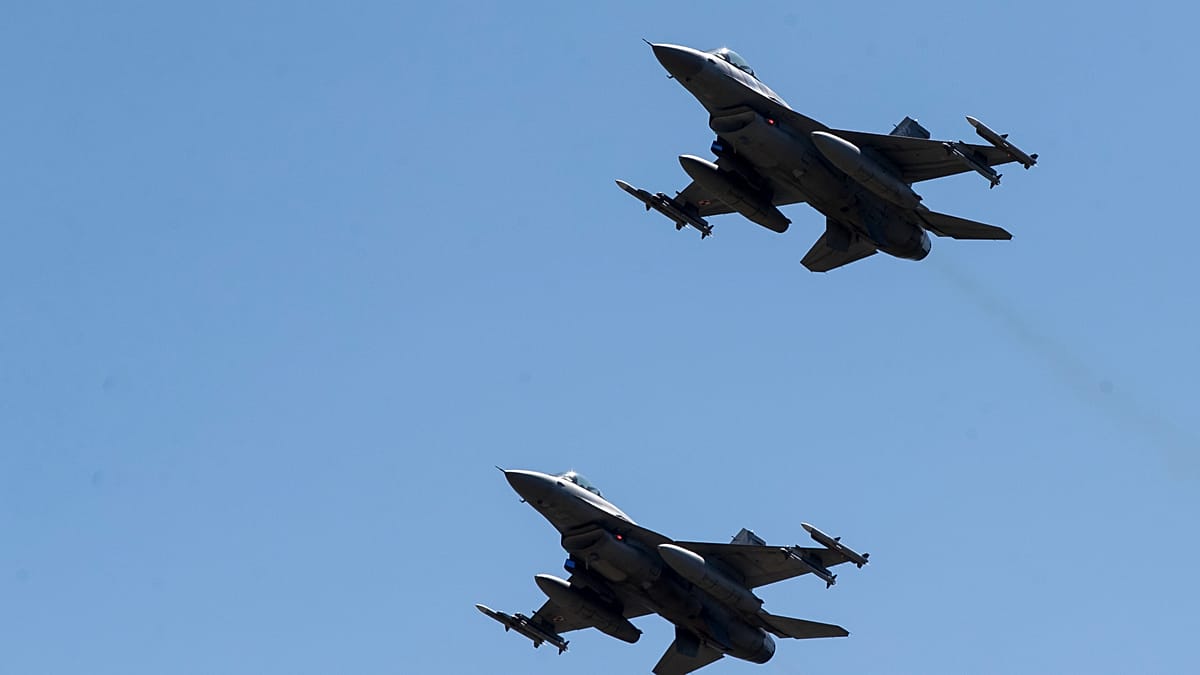
Polish civilian airports in Rzeszów and Lublin were temporarily closed after a large overnight Russian long-range aviation strike on Ukraine prompted anti-aircraft alerts; Polish fighter jets were scrambled and air-defence and radar systems were put on preventive alert. Allied forces including US and Spanish aircraft and Dutch air-defence systems participated; operations ended after 08:00 with no Polish airspace violations and commercial flights resumed. The incident raises short-term regional security risk and could prompt transient risk-off moves and logistical disruption in southeastern Poland, but immediate market-moving consequences appear limited given the quick resolution.
Market structure: Immediate winners are defense contractors and aerospace suppliers (U.S. ETF ITA, RTX, LMT) and NATO logistics/air-defence vendors; immediate losers are airlines/airport operators and short-haul travel insurers (JETS ETF, AAL, LUV) because even short closures compress revenue and raise routing costs. Supply/demand: expect transient demand destruction in regional passenger flows for days and higher sustained demand for military spares and radar/air-defence equipment over quarters; pricing power shifts toward defence OEMs and insurers that reprice short-term risk.
Risk assessment: Tail risks include inadvertent NATO engagement or strikes spilling into Polish airspace (low probability, high impact) that would spike European gas + oil >15% and widen EUR sovereign spreads; immediate horizon (0–7 days) is flight disruption and FX moves, short-term (1–3 months) is higher insurance/premiums and rerouting costs, long-term (>=12 months) is elevated defence budgets and capex. Hidden dependencies: energy supply chain (Nord Stream/spot gas), insurance re-underwriting cycles and airport concession revenues could amplify losses.
Trade implications: Tactical cross-asset moves: buy defense exposure and Gold/government bonds as tail hedges, short or hedge airline names and regional travel plays; watch PLN weakness vs EUR/USD as a trigger to hedge CEE equity. Option volatility will rise; use calendar spreads to monetize near-term volatility while keeping directional exposure to defence names.
Contrarian angles: The market may underprice gas/energy risk — a modest misfire or extended strikes will move TTF/gas >10% quickly, benefiting European energy names and pipeline owners. Conversely, defence equities often run ahead of order flow; if no escalation within 30–90 days, rotate out as multiples re-rate. Historical parallel: 2014 drove multi-year defence budgets increases but immediate equity rallies often faded in 3–6 months if conflict didn’t broaden.
AI-powered research, real-time alerts, and portfolio analytics for institutional investors.
Request DemoOverall Sentiment
mildly negative
Sentiment Score
-0.25
