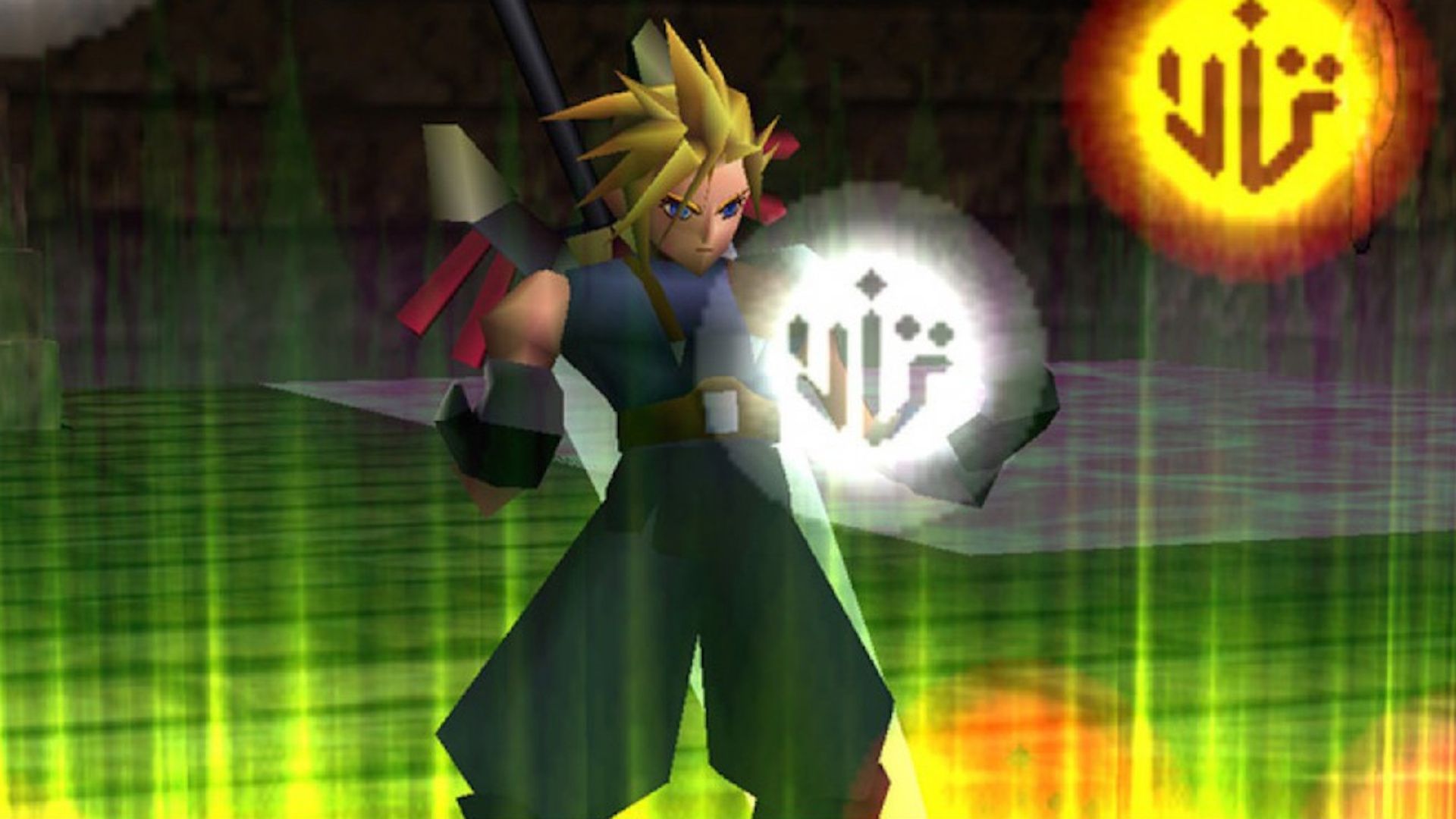
Square Enix released an updated version of Final Fantasy VII on Steam and GOG that adds features such as 3x speed, optional random-encounter disable, autosaves and a 'Battle enhancement mode,' but has drawn widespread negative user reaction citing framerate issues, degraded background textures and an experience seen as inferior to modded older builds. The release has prompted vocal criticism on Steam (Mostly Negative reviews) and a prominent modding team, Tsunamods, publicly offering its services to Square Enix, highlighting reputational risk around product quality and community relations. Market implications are limited in scale but underscore potential brand damage and consumer dissatisfaction that could affect sales momentum and investor sentiment if similar quality-control issues persist.
Market structure: This is a niche reputational shock concentrated on Square Enix (9684.T) and the lifecycle monetization of legacy IP; near-term digital re-release sales could underperform guidance by 20–40% in the first 2–8 weeks, which translates to an incremental revenue hit of roughly 0.5–2% of FY revenue for a large publisher dependent on back-catalog monetization. Winners are platforms and publishers that cultivate mod communities (e.g., MSFT via Bethesda assets) and AAA studios with strong QA discipline; losers are mid-cap, nostalgia-reliant studios and licensors with one-off remasters. Cross-assets: minimal sovereign/bond impact, slight put skew increase in equity options for the stock, negligible FX/commodity move.
Risk assessment: Tail risks include a prolonged community boycott, class-action claims over delisted superior versions, or a costly remediation program (patch, rework) that could cost tens of millions and compress margins for one quarter; probability low but impact material. Immediate risk window is 0–30 days (Steam review momentum and initial sales), short-term 1–3 months (patches/PR), long-term 3–18 months (franchise trust for future remakes). Hidden dependency: Square Enix’s revenue sensitivity to franchise goodwill and third-party mod ecosystems that currently act as informal R&D/cost-savers.
Trade implications: Tactical short bias on 9684.T with explicit hedges—prefer 3-month put spreads sized to 0.5–1.5% NAV—while rotating into quality publishers (EA, MSFT, SONY/6758.T, NTDOY/7974.T) that benefit from franchise diversification. Pair trade: long EA (2% NAV) / short 9684.T (1% NAV) for 3–6 months; options: buy 3-month 10% OTM puts on 9684.T and sell 20% OTM to reduce cost. Reduce weights in small-cap Japanese game developers by 2–4% in favor of global platform owners.
Contrarian angles: Consensus focuses on outrage; investors miss that canonizing mod teams (hire/collaborate) is a low-cost fix that can restore goodwill quickly—historical parallels: Bethesda/TES rough launches recovered within a quarter once mod support and patches arrived. Reaction likely overdone if Square Enix announces a partnership/hire or releases a substantial patch within 60–90 days; such an event could trigger a >10% rebound in sentiment-tracking flows.
AI-powered research, real-time alerts, and portfolio analytics for institutional investors.
Request DemoOverall Sentiment
moderately negative
Sentiment Score
-0.38
