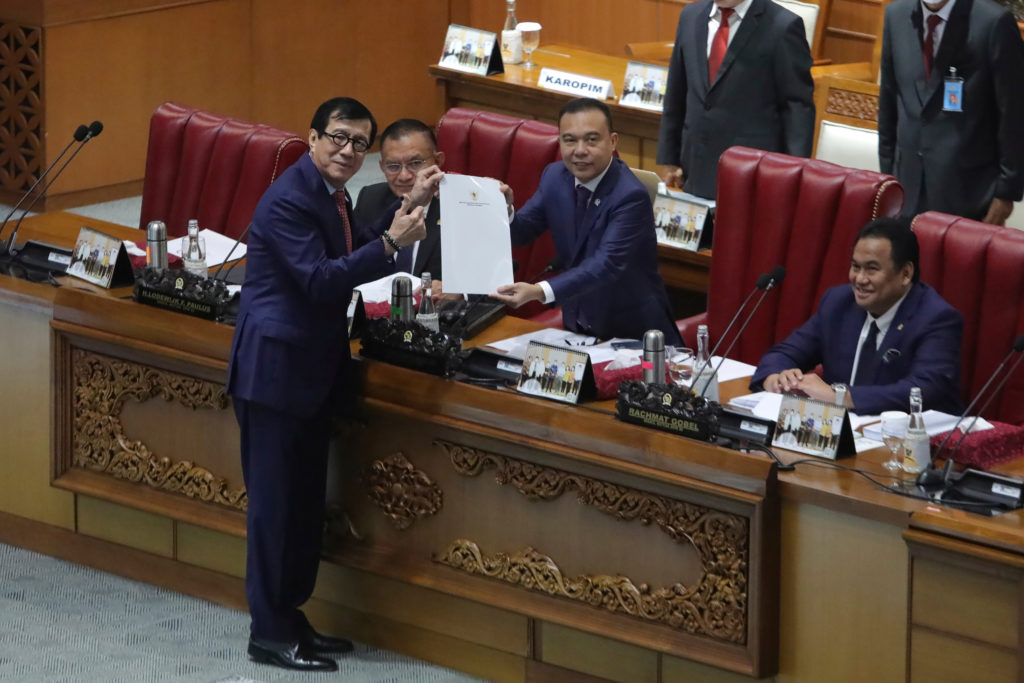
Indonesia has begun enforcing a newly ratified 345‑page penal code (KUHP) that replaces the Dutch-era criminal law after a three-year transition, formally adopted in 2022. Key provisions criminalize sex outside marriage, reinstate penalties for insulting the president and state institutions, expand blasphemy provisions, and retain the death penalty while adding a 10-year probationary mechanism; critics including Human Rights Watch and Amnesty warn these measures threaten civil liberties and freedom of expression. The law's enactment marks a significant shift in domestic legal risk and could heighten political and regulatory uncertainty for investors focused on Indonesia and other emerging-market exposures.
Market structure: The KUHP raises political and social-risk premia for Indonesia equities and tourism-linked consumer spending; expect near-term outflows concentrated in discretionary and travel names and a 1–3% re-rating of EIDO-like benchmarks within 1–3 months if sentiment stays negative. Sovereign and corporate bond yields should cheapen modestly (10–40bp initially) as foreign holders demand a risk premium; FX (IDR) likely to weaken 0.5–2% on a 30–90 day horizon as ESG-sensitive funds reweight.
Risk assessment: Tail risks include episodic mass protests or targeted prosecutions of critics that trigger a 5–12% IDR shock and 50–150bp sovereign spread widening — low probability (5–15%) but high impact over 3–6 months. Short-term (days–weeks) volatility stems from headlines and NGO legal challenges; medium/long-term (quarters) risk depends on enforcement intensity and any subsequent regulatory cascade affecting FDI and digital platforms. Hidden dependencies: content moderation costs for regional tech platforms and insurance claims for hospitality firms; catalysts include presidential statements, prosecutions, or EU/US fund divestment decisions.
Trade implications: Implement defensive hedges: short EIDO (or buy 3-month ATM puts) sized at 2–3% NAV to protect Indonesia beta; buy USD/IDR call options or forwards to hedge 50–100% of net Indonesian exposure for 3 months with strike ~1–2% OTM. Rotate 1–3% weight from Indonesia tourism/consumer discretionary into domestic staples and telecoms (e.g., TLKM.JK, ICBP.JK) and buy 6–12 month long-dated calls on high-quality Indonesian exporters if IDR weakness pushes export cashflows up.
Contrarian angles: The market may overprice structural collapse; enforcement contains safeguards and judges retain discretion, so a >8% drop in EIDO within 30 days would likely be an oversell and a tactical long entry. Historical parallels (EM law-tightening episodes) show initial outflows reverse within 6–12 months once enforcement proves limited — target add-on thresholds: add to Indonesian long exposures if EIDO falls 8–12% or IDR weakens 5%+ from baseline.
AI-powered research, real-time alerts, and portfolio analytics for institutional investors.
Request DemoOverall Sentiment
moderately negative
Sentiment Score
-0.30
