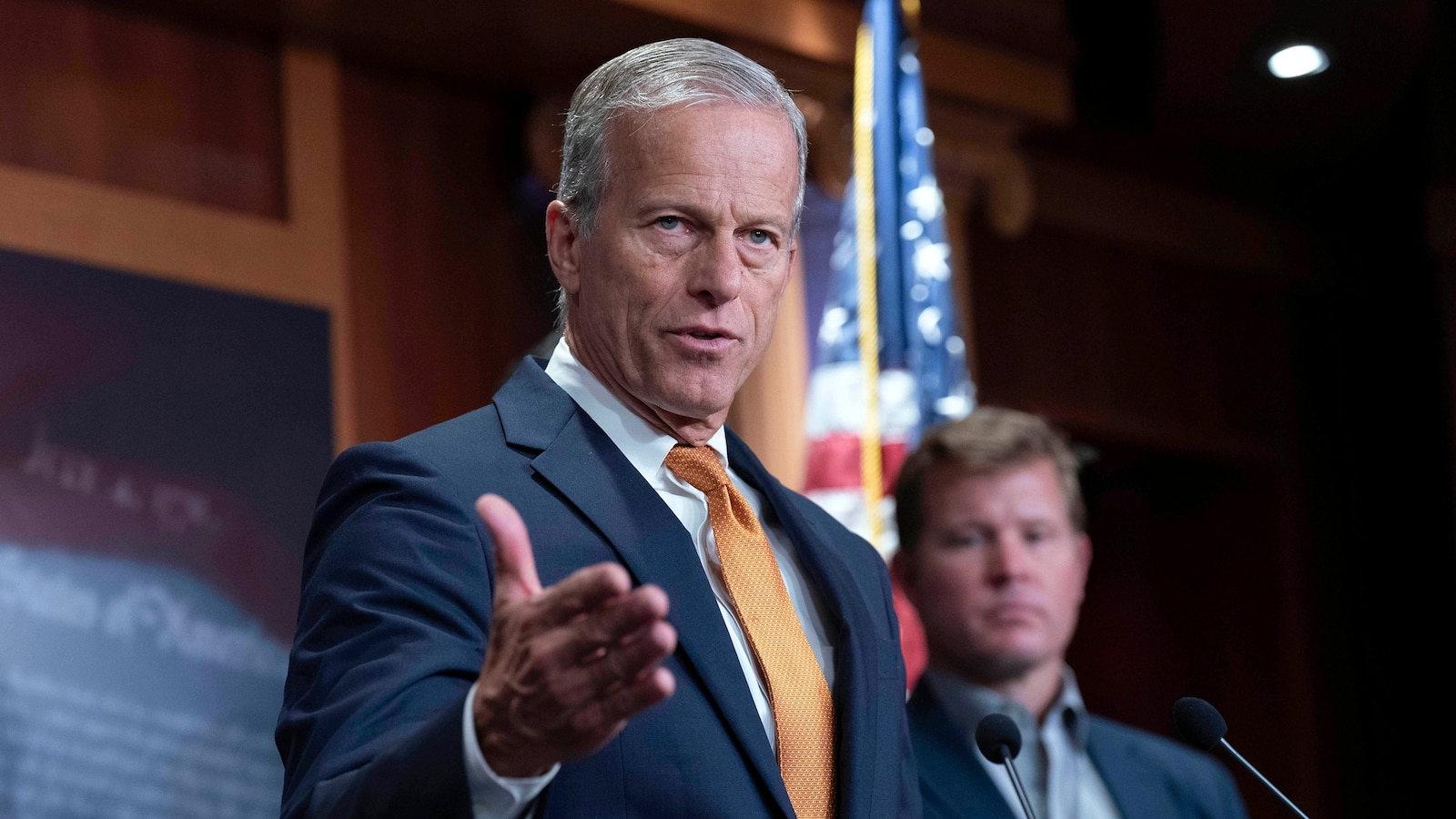
The U.S. Senate failed to advance both a House-passed short-term government funding bill and a Democrat counter-offer on Friday, significantly elevating the risk of a government shutdown by the October 1st deadline. With lawmakers departing until just before the deadline and both parties entrenched in their positions, the lack of a resolution signals continued political gridlock and introduces considerable uncertainty for markets regarding federal operations and economic stability.
The U.S. Senate's failure to advance either the House-passed short-term funding bill or the Democratic counter-proposal has materially increased the probability of a government shutdown. The votes, failing at 44-48 and 47-45 respectively, underscore the deep partisan divide and the legislative impasse confronting Congress ahead of the October 1st deadline. With the Senate now in recess until September 29th, the timeline for a resolution is compressed to mere hours, amplifying political and market risk. The entrenched positions articulated by party leaders, with each side assigning blame for the potential shutdown, reflect a breakdown in negotiations rather than a procedural delay. This political gridlock, reflected in the provided signals as "strongly negative" sentiment, introduces significant uncertainty into the fiscal outlook. A shutdown would disrupt federal government operations, delay payments, and could negatively impact near-term economic activity and business confidence, justifying the moderate-to-high market impact score of 0.6.
AI-powered research, real-time alerts, and portfolio analytics for institutional investors.
Request DemoOverall Sentiment
strongly negative
Sentiment Score
-0.60
