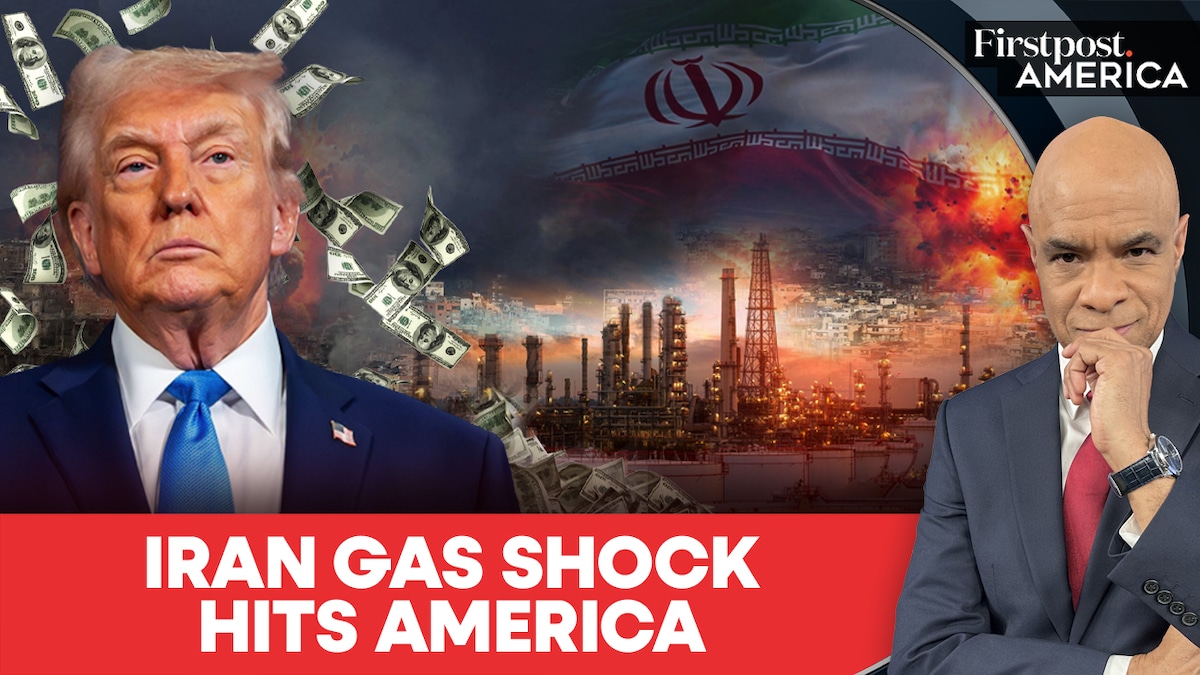
Gasoline prices have risen above $4/gal nationwide (with some cities exceeding $5/gal), prompting drivers to buy less fuel, delay travel and cut daily expenses. The shock is cascading into higher grocery, transport and utility costs and reduced small-business revenue, with over half of Americans saying their finances are affected. These trends risk pushing up inflation and squeezing real wages, creating downside pressure on consumer discretionary demand and adding political risk ahead of key elections.
Winners in the near term are businesses that capture incremental energy spreads (refiners, midstream fee-takers, fertilizer producers), while consumer-facing discretionary firms and margin-sensitive small businesses look vulnerable as real household purchasing power erodes. Mechanically, a sustained 2-4% drop in miles driven — a realistic behavioral response within 1-3 months — would shave roughly 150–340kbd from US gasoline demand, amplifying bifurcation between crude producers (benefit from higher crude) and refiners (benefit only if product cracks hold). Shipping and insurance frictions (tankers avoiding choke points) create a parallel profit pool for shipping owners and freight-rate beneficiaries but add volatility to delivered energy price differentials.
Tail risk drivers are bilateral military escalation, major attacks on choke points, and OPEC+ policy responses; these operate on a days-to-months cadence and can push spikes above previous peaks quickly. Near-term reversals come from a coordinated SPR release, rapid diplomatic de-escalation, or demand destruction persisting into the summer driving season; any of these would compress crack spreads and undo energy equity outperformance within 30–90 days. Monitor market signals: tanker rates, distillate versus gasoline cracks, and front-month implied volatility in energy names as 48–72 hour early-warning indicators.
The consensus frames this as a pure energy price story but underweights the second-order fiscal/political feedback loop: municipal travel cuts and small-business retrenchment increase the odds of targeted fiscal relief or retail wage adjustments ahead of elections, which would reflate consumption pockets unevenly. That creates a ~3–6 month trade window where defensive staples and selective industrials can outperform cyclicals if policy offsets emerge, making timing and instrument choice (cash vs options) critical to capture asymmetric payoffs.
AI-powered research, real-time alerts, and portfolio analytics for institutional investors.
Request DemoOverall Sentiment
mildly negative
Sentiment Score
-0.35
