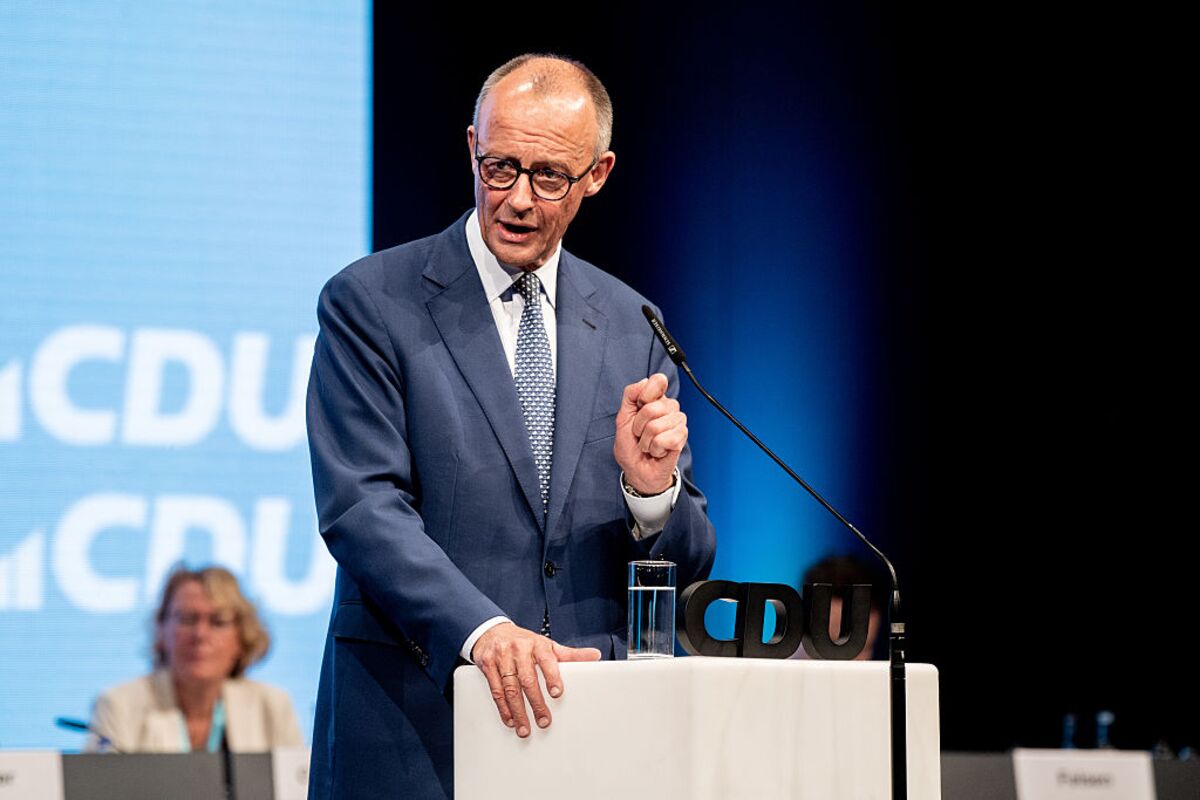
German Chancellor Friedrich Merz has stated that tackling the nation's economic challenges is proving significantly more difficult than initially anticipated, characterizing the current downturn as a 'structural crisis' rather than mere economic weakness. This admission from a key leader underscores the severity and systemic nature of Germany's economic headwinds, suggesting a potentially prolonged period of fundamental issues that could impact investor sentiment and broader European market outlooks.
German Chancellor Friedrich Merz's characterization of the nation's economic situation as a "structural crisis" rather than a mere cyclical downturn marks a significant and pessimistic shift in rhetoric from a key political leader. This self-critical admission that the task is "bigger than one or the other may have imagined" underscores the depth and systemic nature of the challenges facing Europe's largest economy. The distinction from "economic weakness" to a "structural crisis" implies that the issues are not temporary and will likely require fundamental, long-term policy reforms rather than a simple rebound. This statement carries substantial weight, validated by a strongly negative sentiment score (-0.7) and high market impact rating (0.7), suggesting that investors should anticipate a prolonged period of economic underperformance and heightened uncertainty emanating from Germany, with potential contagion effects across the Eurozone.
AI-powered research, real-time alerts, and portfolio analytics for institutional investors.
Request DemoOverall Sentiment
strongly negative
Sentiment Score
-0.70
