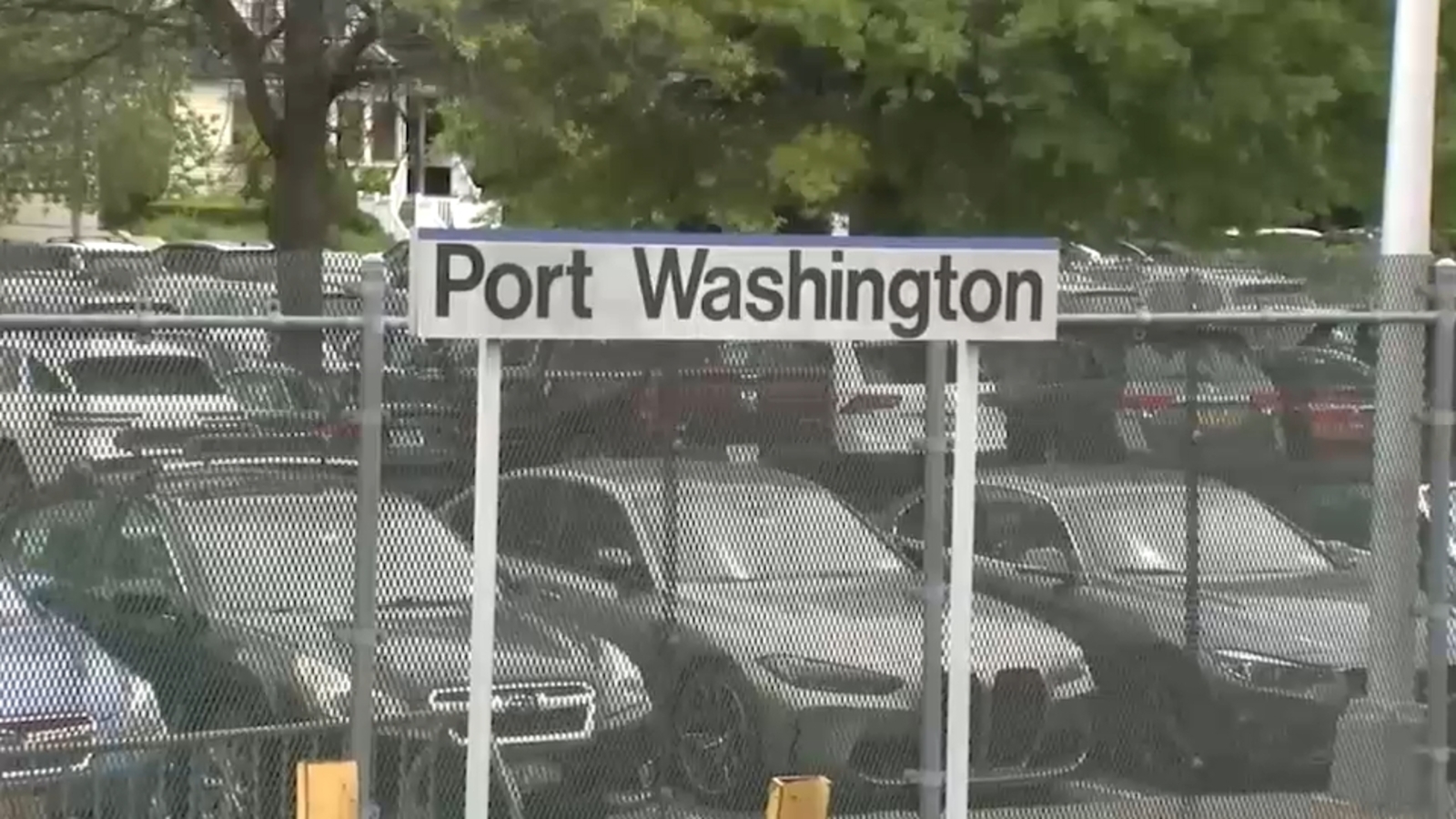
The MTA is preparing contingency plans for a possible Long Island Rail Road strike starting just after midnight Saturday, with shuttle buses planned for multiple branches but not the Port Washington Branch. The union is seeking higher pay, while MTA leaders warn concessions could force fare hikes; Nassau County says extra NICE Bus service and county parking lots may help absorb disruption. The article signals near-term commuter disruption and potential pricing pressure, but no direct company-level market catalyst.
The immediate market effect is not on transit operators but on the local real economy: a LIRR stoppage is a short-duration shock to Manhattan office attendance, suburban retail traffic, and liquidity in the Nassau/Suffolk daily commute ecosystem. The asymmetric pain is on workers and small businesses with zero substitution capacity, while the MTA itself can absorb a few days of disruption but faces a much larger credibility hit if contingency execution looks improvisational. The Port Washington exemption is the tell: where alternatives are weakest, the economic damage compounds fastest, which is why localized parking, ride-share, and bus-adjacent services can outperform on the margin even in a negative headline tape. The second-order issue is wage settlement spillover. If labor wins meaningful raises, the MTA is forced to choose between fare increases, service cuts, or additional subsidy pressure, each of which is bearish for commuter elasticity over the next 6-12 months. That creates a subtle but real policy tradeoff: political leaders may prefer a near-term deal over prolonged disruption, but once the precedent is set, other transit unions will likely benchmark off it, raising the medium-term cost base for the entire New York transit network. The contrarian read is that the strike risk may be more about negotiating leverage than a true multi-week outage, which makes outright bearish bets on broad New York exposure low-conviction. The better expression is to target names with immediate modal substitution or parking/last-mile capture, while fading businesses that rely on predictable weekday commuter volume if the strike extends beyond a weekend. Over a 1-4 week horizon, the market will likely overestimate permanent demand loss and underestimate temporary substitution and pent-up commuting rebound once a deal lands.
AI-powered research, real-time alerts, and portfolio analytics for institutional investors.
Overall Sentiment
mildly negative
Sentiment Score
-0.20
Ticker Sentiment
