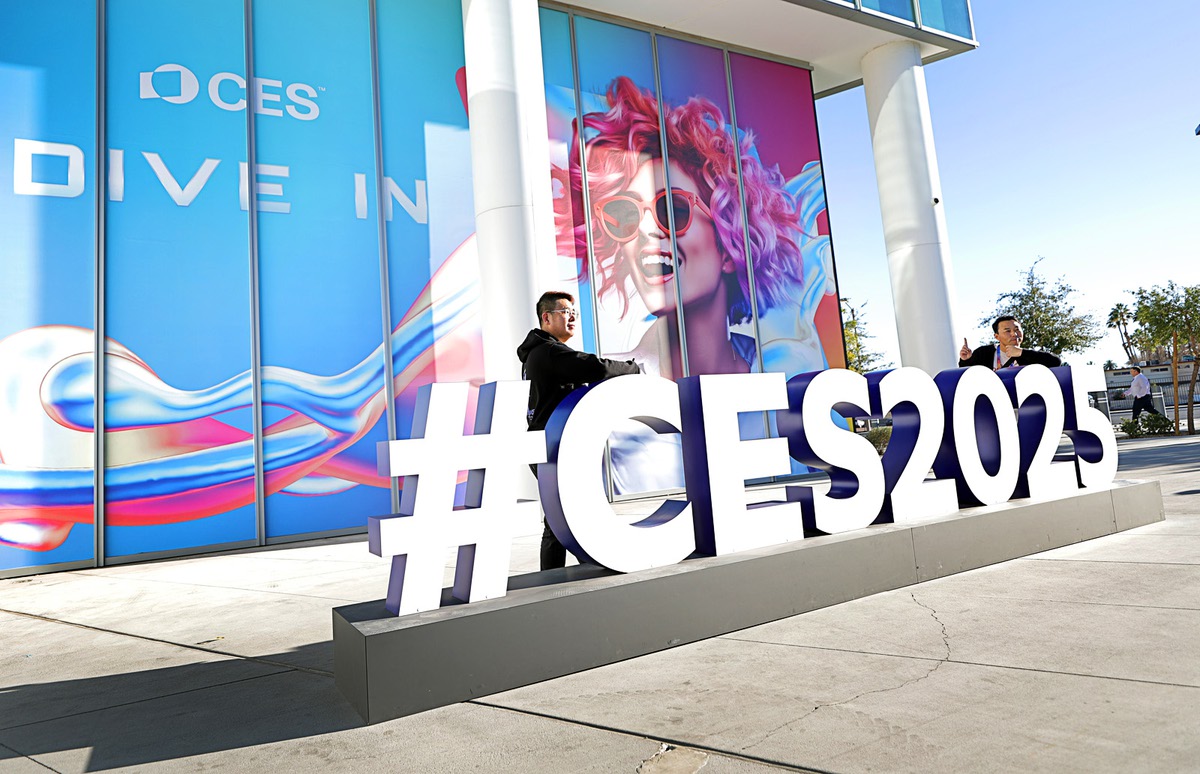
CES 2026 (Jan. 6-9) is expanding its AI focus with a dedicated “CES Foundry” space, AI trainings for executives and major vendor keynotes — including AMD and Caterpillar — highlighting enterprise and autonomous use cases. Last year’s show drew over 140,000 attendees and is estimated to deliver roughly $380 million annually to the Las Vegas economy and 1,600 jobs; Stanford data cited private investment in AI surpassing $100 billion. Organizers downplay bubble concerns and expect AI, robotics and accessibility tech to dominate, while expanding letter-of-invitation support for the 58,000+ international attendees amid rising visa fees under the current administration.
Market structure: CES pivot to AI/quantum concentrates wins on semiconductor suppliers (AMD) and cloud compute operators (Microsoft), system integrators and data‑center capex vendors; firms selling tangible hardware and datacenter services gain pricing power as GPU/accelerator demand tightens. Mobility/robotics players (Caterpillar for autonomous equipment) get optionality but limited near‑term revenue lift; travel/venue service providers benefit from attendance but are exposed to visa/friction shocks.
Risk assessment: Near term (days–weeks) event risk centers on CES keynotes (Jan 6–9) and attendant guidance volatility; short term (weeks–months) risks include export controls, antitrust and a sentiment correction (a 20–50% derating in high‑multiple AI names is a plausible tail). Hidden dependencies include NVDA’s ecosystem dominance, TSMC capacity cycles and datacenter power/real‑estate constraints; catalysts that could accelerate adoption are cloud customer contract disclosures and large hyperscaler reorder notices.
Trade implications: Tactical overweight semiconductors and cloud hardware for 3–12 months; favor direct chip suppliers (AMD) and selective industrial robotics exposure (CAT) via defined‑risk options to capture demos. Use pair trades to isolate hardware exposure (long AMD vs short MSFT or broader software ETF) and employ calendar/vertical spreads around CES to exploit implied volatility moves; expect spike in IV 3–7 days before keynotes.
Contrarian angles: Consensus understates execution lags—AI feature revenue recognition and enterprise procurement cycles often lag demos by 6–12 months, so near‑term multiples may be stretched. Mispricings exist in small‑cap AI SaaS/middleware where valuations reflect speculative TAM; prefer hardware vendors with order flow or backlog visibility over narrative‑driven software names.
AI-powered research, real-time alerts, and portfolio analytics for institutional investors.
Request DemoOverall Sentiment
mildly positive
Sentiment Score
0.25
Ticker Sentiment
