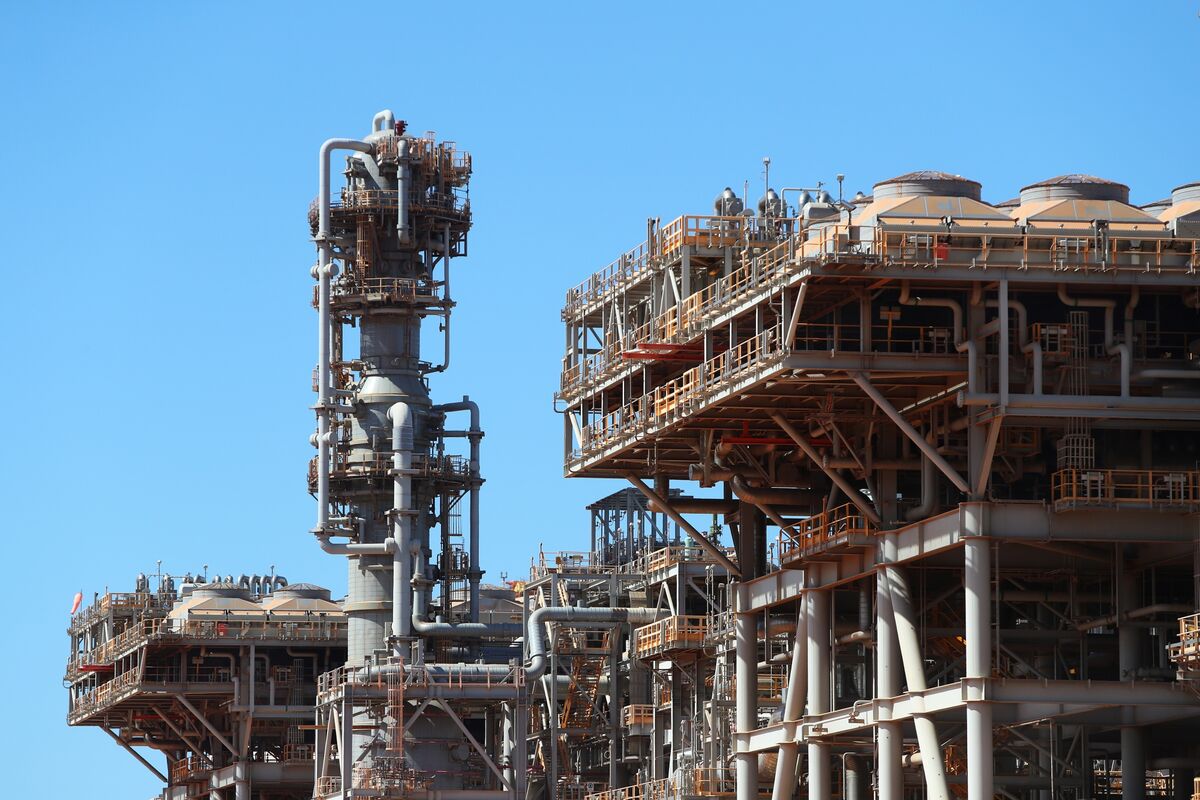
About 8% of global LNG supply was curtailed after Severe Tropical Cyclone Narelle forced production interruptions at three Australian facilities: Karratha (feeding Woodside's North West Shelf) and units/platforms at Chevron's Gorgon and Wheatstone-related operations. The outages tighten already strained LNG supply (following halted shipments from Qatar), likely exerting upward pressure on regional LNG prices and creating near-term supply risk for mainly Asian buyers; duration of disruptions was not specified.
The market reaction will be dominated by short-run logistical tightness — spot spreads and freight rates are the fastest-moving variables and will set P/L for traders and shipowners over the next 2–8 weeks. Cargo re-routing, re-nomination, and charter market dislocation can sustain a premium in front-month JKM/TTF swaps even if liquefaction capacity is repaired, because shipping availability is the binding constraint.
Corporate impact diverges by business model: trading-heavy companies and owners of flexible LNG tonnage capture outsized margin expansion, while equity of upstream/asset-constrained producers faces earnings volatility from deferred cargos and potential force majeure outcomes. Downstream buyers with limited take-or-pay flexibility will either pay spot premia (compressing margins) or switch fuels where possible — expect industrial feedstock and power margins in parts of Asia to move more than headline gas prices.
Key tail risks and catalysts are asymmetric: a multi-week mechanical/repair timeline would amplify cashflow swings and support a sustained premium, whereas a coordinated release of alternative cargoes (US/FY-spot re-allocations) or rapid rechartering of floating capacity can collapse the squeeze inside 4–8 weeks. Monitor carrier positions, layup/reactivation notices, and formal restart guidance from operators as high-signal, market-moving events.
The consensus trade is to buy the price spike; that may be too one-dimensional. The market often overshoots on headlines because shipping friction creates a transient illiquidity premium — trade the volatility. For equities exposed to the disruption, prefer option structures that monetize near-term dislocation while capping downside from a fast recovery.
AI-powered research, real-time alerts, and portfolio analytics for institutional investors.
Request DemoOverall Sentiment
mildly negative
Sentiment Score
-0.35
Ticker Sentiment
