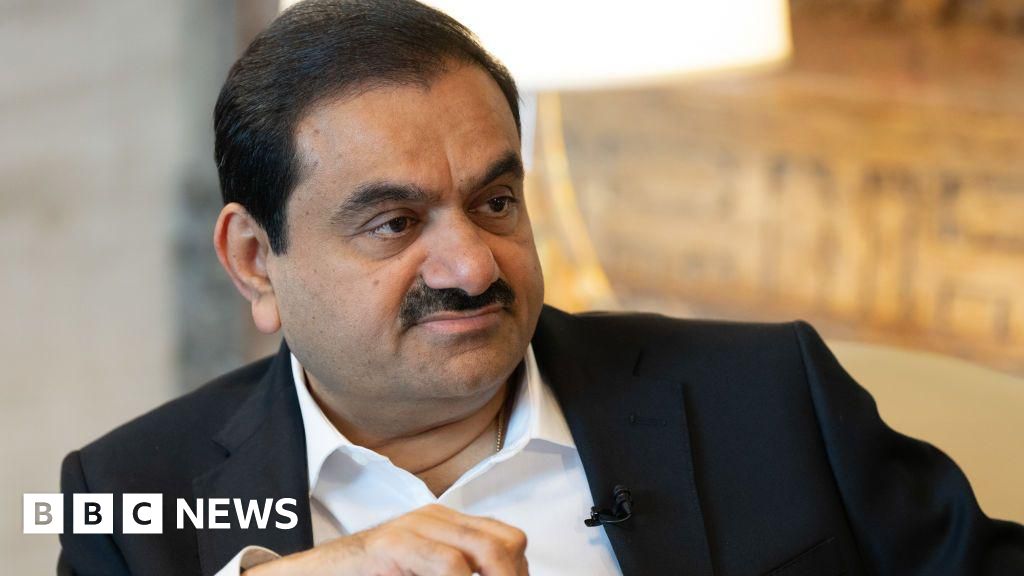
Gautam Adani and Sagar Adani agreed to pay a combined $18m to settle an SEC civil fraud case, with the deal subject to court approval and no admission of wrongdoing. The agreement bars future violations of key US anti-fraud laws, while earlier allegations involved $750m raised, including about $175m from US investors, tied to renewable energy project disclosures. Adani Group shares rose on the news, and separate reports said the US Justice Department may drop related criminal fraud charges.
The market is likely pricing this as a de-risking event rather than a true exoneration, but that distinction matters. The civil settlement reduces the probability of a near-term US capital-markets shutdown for Adani-linked entities, which should compress funding costs, stabilize refinancing windows, and improve the odds of new project-level debt being placed with international lenders over the next 1-2 quarters. The bigger second-order effect is on India’s broader renewable financing complex: lower perceived governance risk can tighten spreads for other sponsor-backed infra credits even if their fundamentals are unchanged. The criminal case overhang remains the real swing factor because the cash penalty is small relative to the group’s balance sheet, but the reputational shield from a DOJ retreat would be far more important than the SEC settlement. If the US ultimately signals a softer stance on foreign bribery enforcement, the market may re-rate governance risk across emerging-market conglomerates with politically sensitive concession pipelines. That would particularly help capital-intensive developers that rely on external debt and long-dated asset monetization, where a 50-100 bps move in financing cost materially changes equity IRRs. The contrarian risk is that this is a classic relief rally into unresolved process risk: court approval, possible DOJ communications, and the absence of an admission mean headlines can still reverse sentiment quickly. The upside in the shares may be capped unless management converts regulatory relief into visible funding wins or asset sales, because investors will need evidence that counterparties are actually reopening. A broader concern is moral hazard: if markets infer that political access can wash away enforcement risk, the next stress point could be a wider re-pricing of India EM governance premium rather than a clean bullish rerate. Best trade expression is to own the cleaner beneficiaries of lower Adani risk while fading the most crowded governance beta. The setup favors long-duration infra/renewables credits and selected India financials that benefit from lower systemic spread risk, while remaining cautious on any direct long where the rally has already priced in dismissal odds. If the DOJ story hardens, the trade is to add on weakness; if it stalls, the move likely retraces as a relief pop rather than a durable rerating.
AI-powered research, real-time alerts, and portfolio analytics for institutional investors.
Request DemoOverall Sentiment
mildly positive
Sentiment Score
0.15
Ticker Sentiment
