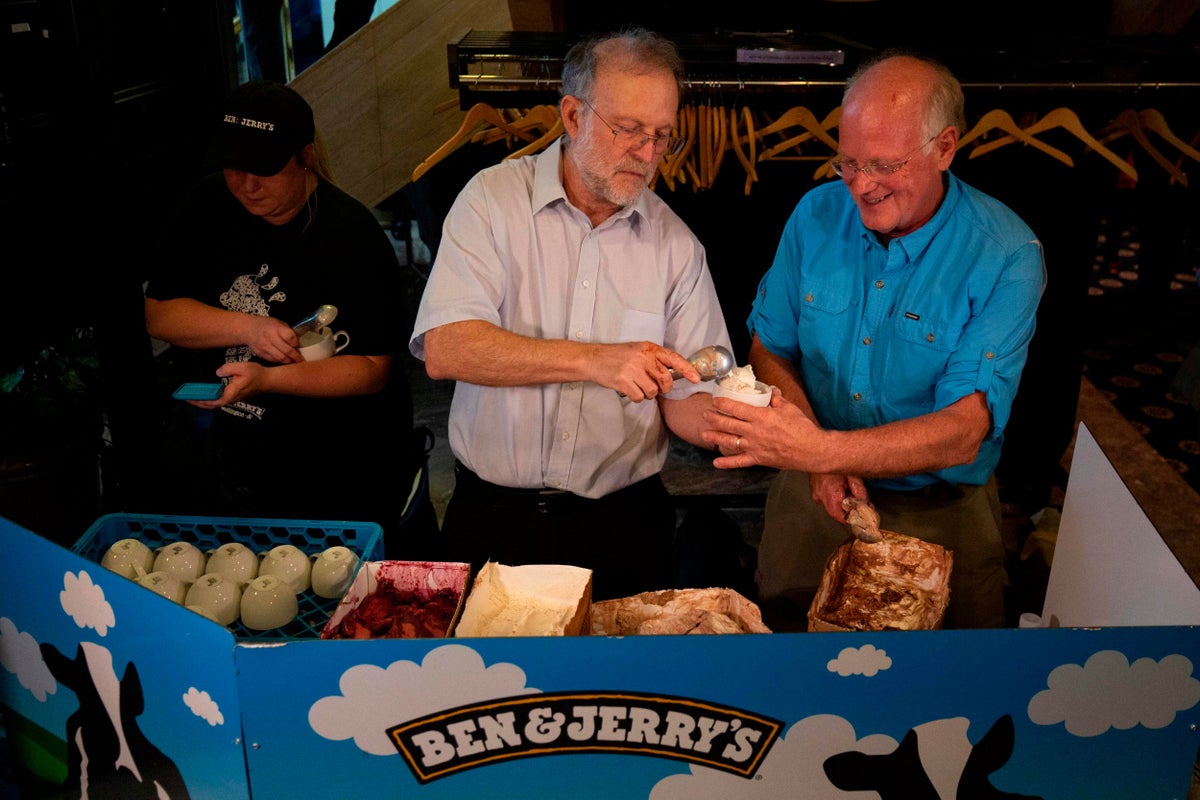
Ben & Jerry's co-founder Ben Cohen is independently launching a Palestine-themed ice cream, alleging Unilever blocked a similar product from the brand, intensifying long-standing tensions over Ben & Jerry's social activism and corporate control. This follows previous disputes, including the brand's stance on Israeli-occupied territories and co-founder Jerry Greenfield's recent departure citing Unilever's curbing of activism. Unilever maintains Ben & Jerry's management rejected the flavor as ill-timed, underscoring ongoing governance challenges and potential reputational risks for Unilever as it navigates integrating mission-driven brands and prepares to spin off its ice cream division.
Ben & Jerry’s co-founder Ben Cohen is independently launching a Palestine-themed ice cream, alleging Unilever blocked a similar product from the core brand. This action escalates long-standing tensions between the co-founders and Unilever regarding the brand's social mission and corporate autonomy, despite an acquisition agreement allowing independent activism through the board. The dispute follows previous instances, including Ben & Jerry's refusal to sell in Israeli-occupied West Bank territories in 2021, which Unilever circumvented by selling its local arm.
The co-founders, including Jerry Greenfield who recently stepped down citing Unilever's curbing of activism, are publicly campaigning for Ben & Jerry's to become an independently owned company. Unilever, which is preparing to spin off its ice cream division, stated that Ben & Jerry's management rejected the product proposal as ill-timed, not that Unilever directly blocked it. This highlights ongoing governance challenges and potential reputational risks for Unilever in managing mission-driven brands.
The overall sentiment is moderately negative (-0.5), with a more pronounced negative sentiment for Unilever specifically (-0.7), and a market impact score of 0.35. This situation touches upon critical themes including Management & Governance, Legal & Litigation, Short Interest & Activism, and ESG & Climate Policy, indicating potential for continued shareholder scrutiny and operational friction. The ongoing conflict could distract management and impact brand perception, particularly as Unilever prepares for the ice cream division spin-off.
AI-powered research, real-time alerts, and portfolio analytics for institutional investors.
Request DemoOverall Sentiment
moderately negative
Sentiment Score
-0.50
Ticker Sentiment
