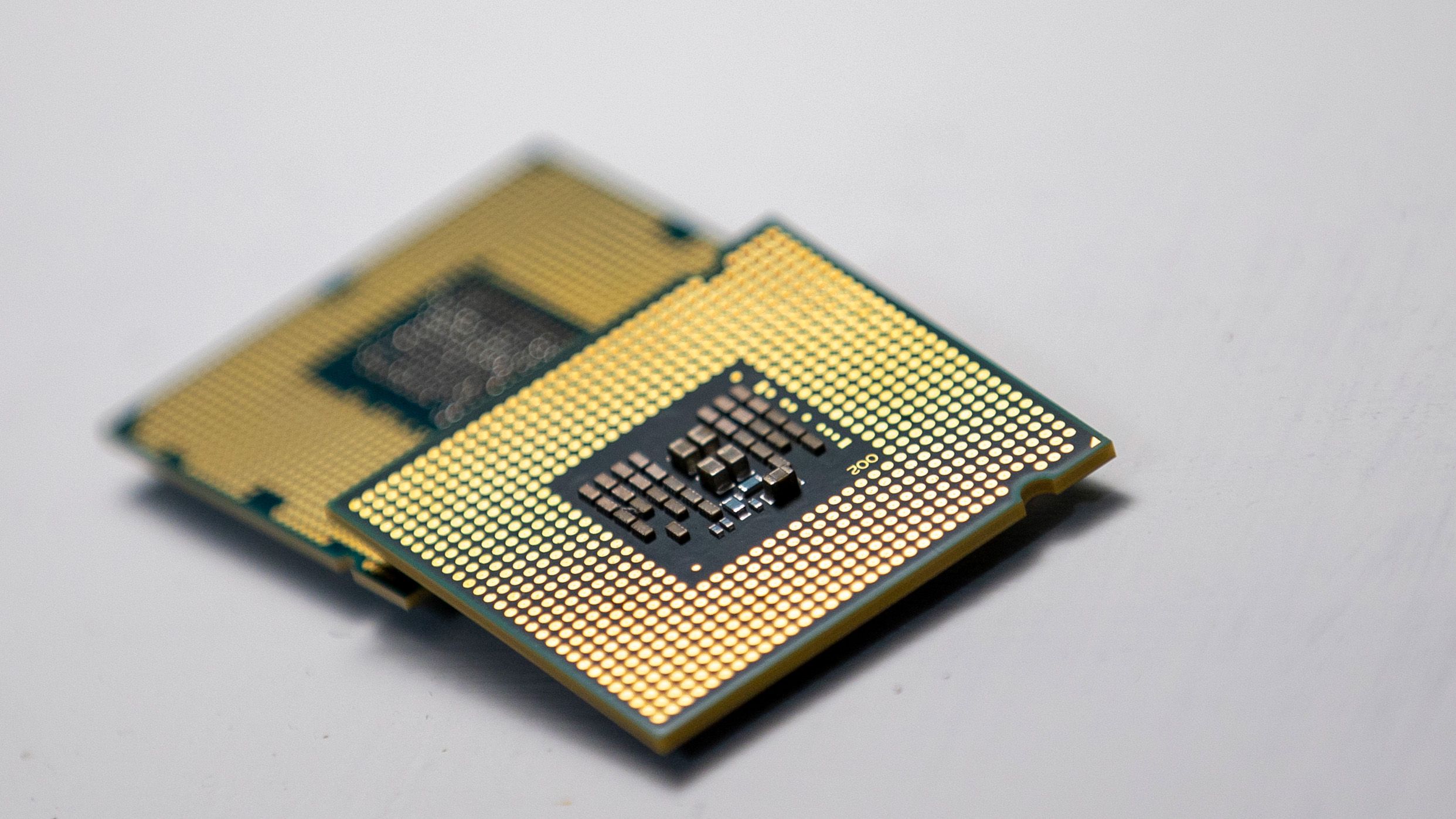
Intel plans a staggered rollout of new consumer processors: Panther Lake (Core Ultra 300) reviews embargoed Jan. 26 with retail availability Jan. 27, while Arrow Lake Refresh (Core Ultra 200K Plus and 200HX Plus) is reported for March–April; Panther Lake is notable for using Intel's 18A process. AMD is poised to counter with Ryzen AI 400 in China on Jan. 22 and a potential Ryzen 7 9850X3D on Jan. 29, setting up an early-year competitive battle that could influence laptop inventory timing, pricing dynamics and near-term market share between Intel and AMD.
Market structure: Intel (INTC) stands to win near-term if Panther Lake reviews (flagship embargo Jan 26, retail Jan 27) show meaningful IPC/efficiency gains — expect a 3–7 percentage-point bump in laptop CPU share opportunities in 1–3 months if reviewer scores beat AMD’s mobile stack. AMD (AMD) risks a short-term hit from Intel marketing momentum and a China-first Ryzen AI 400 debut (Jan 22), but longer-term competitive parity means pricing power across the duopoly will remain constrained; NVDA (NVDA) is largely neutral here but benefits indirectly if PC refresh demand lifts GPU demand for notebook dGPUs. Supply/demand: staggered launches (Jan–Apr cadence) imply front-loaded inventory for OEMs and potential short-term demand spikes for DRAM/NAND, but overall cyclical balance unchanged—watch channel inventory days as a 10–20% swing risk to revenues for OEMs and memory suppliers.
Risk assessment: Tail risks include Intel 18A yield shortfalls (operational) or AMD releasing superior 9850X3D/server parts (competitive) that could wipe 10–25% of expected share gains; regulatory/China export actions are second-order but could disrupt wafer supply. Time horizons: immediate (Jan 22–29) volatility around embargoes; short-term (Mar–Apr) for Arrow Lake Refresh; long-term (H2–2026) for Nova Lake/Zen6 structural share shifts. Hidden dependencies: OEM channel stocking, China-first rollouts, and wafer supply vs. demand could invert expected outcomes. Key catalysts: embargoed reviews, retail sell-through, Intel Q1 guidance (Feb), AMD benchmark leaks.
Trade implications: Tactical opportunities: establish a modest long INTC entry ahead of Jan 26 reviews (see decisions) and use a hedged pair vs AMD to isolate execution risk; buy limited-cost call spreads on INTC with 30–60 day expiries sized to 0.5–1% portfolio risk to capture review upside. Sell concentrated short-dated volatility on AMD around Jan 22 only if IV > historical 30-day by >20% using defined-risk strangles. Rotate 1–3% from long-duration growth into semiconductor-capex and OEM names on stronger sell-through signals.
Contrarian angles: The market may overprice a permanent Intel comeback—historical parallels (Intel node-cycle rallies 2017–2019) show temporary share gains that reversed when AMD’s architecture caught up. Consensus underestimates OEM inventory hangover and margin pressure from accelerated SKU refresh cadence; if reviews are “good but not dominant,” faded rallies by 10–25% are probable within 1–2 months, creating a mean-reversion shorting opportunity.
AI-powered research, real-time alerts, and portfolio analytics for institutional investors.
Request DemoOverall Sentiment
mildly positive
Sentiment Score
0.25
Ticker Sentiment
