


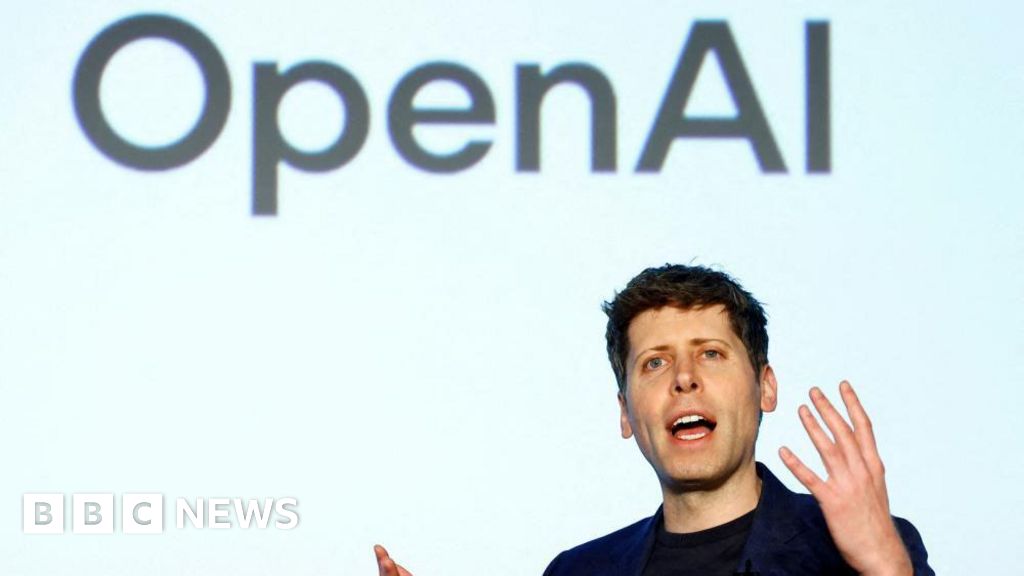
Florida has filed the first U.S. state lawsuit against OpenAI, alleging ChatGPT endangers children, contributes to suicides, and aided mass shooters, while also seeking to hold CEO Sam Altman personally liable. The complaint cites deceptive trade practices, negligence, product liability, and fraudulent misrepresentation, adding to mounting legal and regulatory pressure on AI firms. The case could heighten scrutiny of AI safety controls and increase litigation risk across the sector.
This is less about a single headline risk and more about a regime shift: the plaintiffs’ bar is moving from “content harms” to “product design harms,” which is a much more dangerous theory for platform multiples because it attacks the core engineering choices, not just moderation optics. If courts continue to allow discovery and venue-shopping by states, the market will start pricing a persistent litigation overhang that behaves like a quasi-regulatory tax on model deployment, trust-and-safety headcount, and insurance costs.
For META, SNAP, and GOOGL, the immediate earnings hit is probably small, but the second-order effect is larger: every incremental safety feature reduces engagement, while every missed harmful interaction raises liability. That creates a margin squeeze in which revenue growth slows while legal and compliance spend rises, especially for products with younger user cohorts or open-ended conversational interfaces. The more exposed names are those with the broadest consumer surfaces and the weakest ability to prove ex ante controls.
The contrarian read is that the market may already be discounting “AI harms” as a generic headline risk, but this case could create precedent that makes product-liability claims economically viable in state courts. If that happens, the real beneficiaries are not the mega-cap platforms; it is the firms selling compliance tooling, identity/age verification, monitoring, and enterprise-grade governance layers. Over 6-18 months, a credible appellate setback for plaintiffs would matter more than the initial filing, but until then the litigation path of least resistance is down for the ad-tech and consumer AI complex.
AI-powered research, real-time alerts, and portfolio analytics for institutional investors.
Overall Sentiment
strongly negative
Sentiment Score
-0.70
Ticker Sentiment
