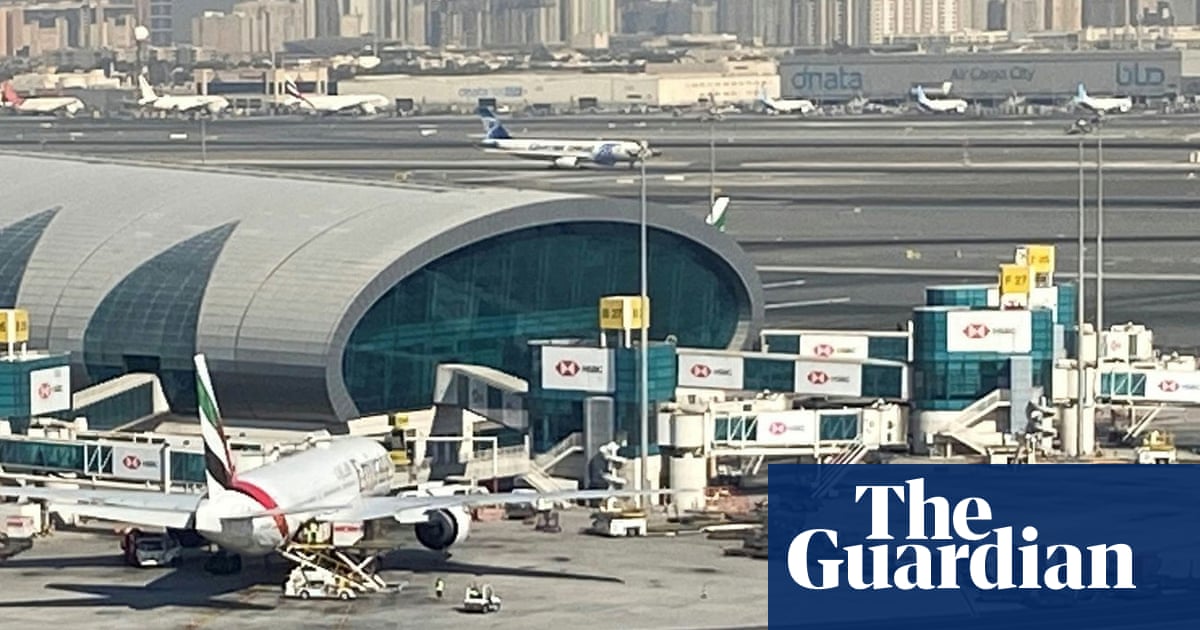
Escalating geopolitical tensions in the Middle East, particularly the US-Iran conflict, are severely constricting commercial aviation routes, especially for Europe-Asia travel, compounding existing challenges from Ukraine and Russia airspace closures. This forces airlines into longer flight paths, significantly increasing operational costs due to higher fuel consumption and crew limitations, which is eroding profit margins and has led to airline share price dips. Coupled with rising jet fuel prices, the sector faces sustained profitability pressure, likely translating to higher passenger fares and continued operational complexities.
Escalating geopolitical conflict in the Middle East is creating significant operational and financial pressures for the global airline industry, compounding existing airspace restrictions over Ukraine and Russia. The closure of airspace over Iran and Iraq forces carriers on critical Europe-to-Asia routes into longer, less efficient flight paths, either north via Georgia or south over Saudi Arabia. This rerouting directly translates into higher costs through increased fuel consumption and extended crew duty hours, which risks flight cancellations and erodes already thin profit margins. The financial headwinds are further intensified by a rising oil price and a jet fuel premium that has risen even more sharply than crude. While strong post-pandemic travel demand persists, airline share prices have already dipped, reflecting investor concern over these mounting pressures. Although fuel hedging may provide a temporary buffer against immediate fare hikes this summer, carriers like Ryanair are already signalling future price increases, suggesting the burden of sustained operational complexity and higher costs will ultimately be passed on to passengers.
AI-powered research, real-time alerts, and portfolio analytics for institutional investors.
Overall Sentiment
strongly negative
Sentiment Score
-0.70
Ticker Sentiment
