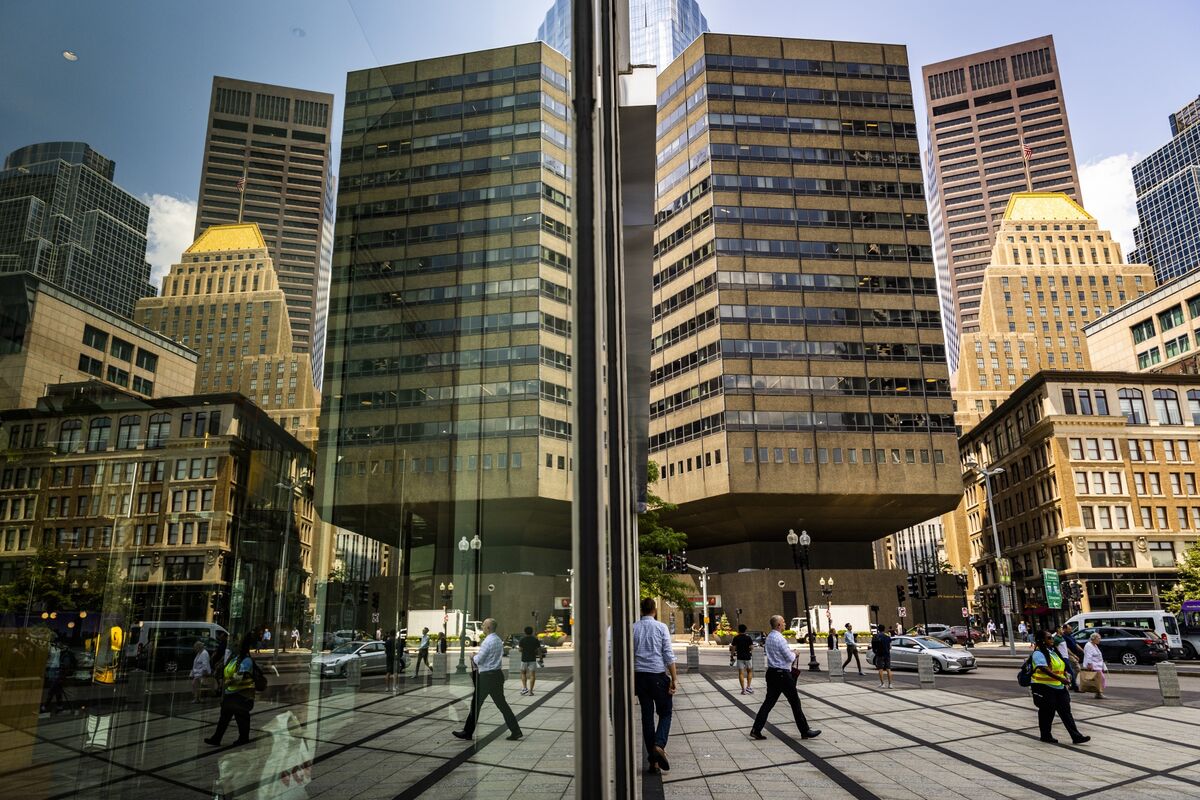
Boston landlord Kambiz Shahbazi is challenging the city's assessed valuations for his four office buildings, arguing that the current ~12% reduction over two years fails to adequately reflect the significant value decline caused by post-Covid tenant exodus and high vacancies. Shahbazi, who claims some properties warrant up to a 50% discount, seeks lower tax bills, underscoring the persistent valuation pressures and potential for further write-downs in urban commercial real estate markets facing structural shifts in occupancy.
A significant disconnect is emerging between official commercial property valuations and owner-perceived market reality, as exemplified by a Boston landlord's challenge to the city's tax assessments. Despite a cumulative 12% reduction in assessed value over the past two years for four office buildings, the owner, Kambiz Shahbazi, argues for a much steeper discount of up to 50% for at least one property. This action is a direct response to what are described as 'crazy vacancies' following the post-Covid tenant exodus. The case highlights the persistent and severe pressure on the urban office market, suggesting that official valuations may be lagging indicators of the true damage inflicted by structural shifts in work patterns. This situation signals a potential for further significant write-downs across the sector and foreshadows future conflicts over tax liabilities as property owners contend with diminished income streams.
AI-powered research, real-time alerts, and portfolio analytics for institutional investors.
Request DemoOverall Sentiment
strongly negative
Sentiment Score
-0.65
