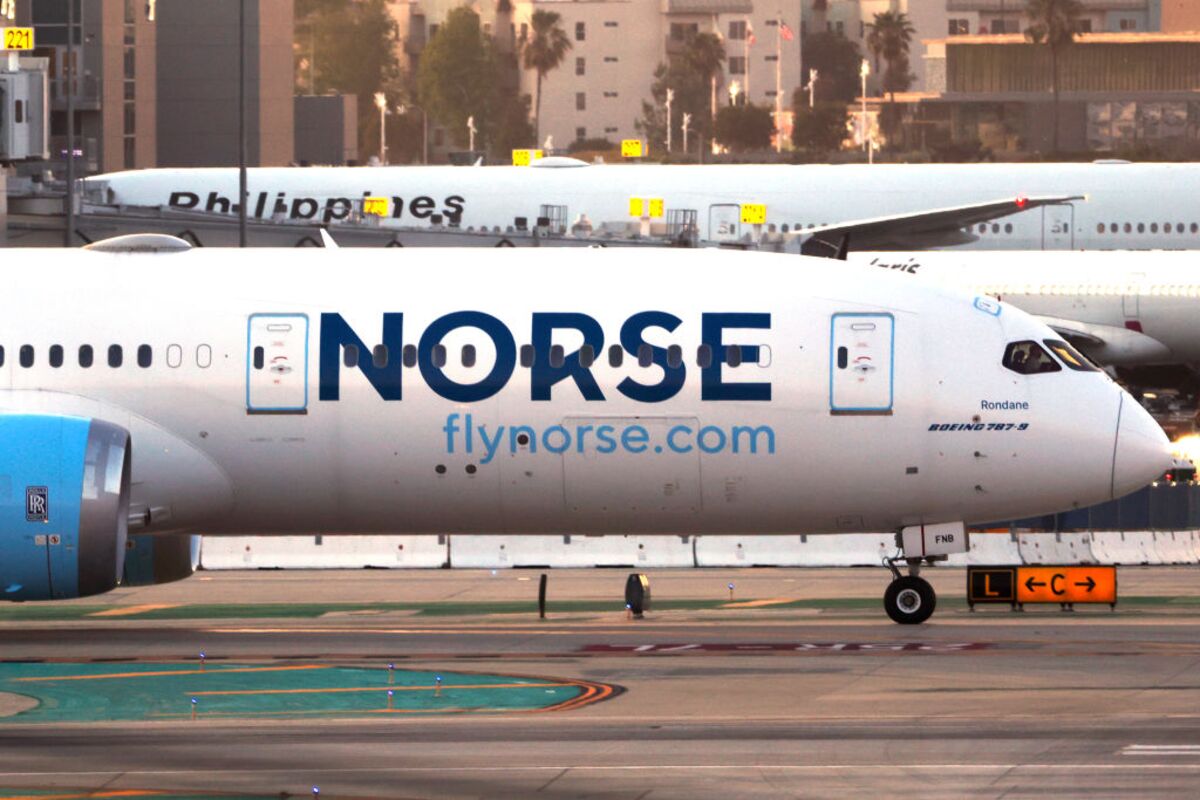
Norse Atlantic ASA’s board has replaced founder and CEO Bjorn Tore Larsen with Eivind Roald with immediate effect after the carrier warned it will remain unprofitable for another year; Larsen will continue as board chairman. The leadership change, coming from a company founded in 2021, represents a board-level response to persistent weak earnings and potential ongoing cash burn, likely increasing investor scrutiny of near-term liquidity and strategic direction.
Market structure: Management turnover at Norse Atlantic is a negative signal for a small, margin‑sensitive long‑haul LCC; immediate winners are larger, cash‑rich carriers and lessors that can pick up routes/slots (advantaged players include Ryanair/large legacy airlines and aircraft lessors), losers are Norse equity holders, unsecured creditors and small leisure peers with weak balance sheets. Pricing power: persistent unprofitability implies continued capacity discipline failure — expect downward yield pressure on North Atlantic leisure fares into next peak season (summer 2025) unless carriers cut capacity by >10% systemwide.
Risk assessment: Tail risks include bankruptcy with rapid lessor repossessions (high impact, <30% probability over 12 months if cash runway <6 months), regulatory/slot reallocation drag, or a fuel spike (>+20% Brent) that wipes margins industrywide. Time horizons: days—equity volatility and credit spread widening; weeks–months—covenant tests and refinancing risk; quarters—route pruning or M&A. Hidden dependencies: lease tenor, hedge positions, and ticket refund liabilities; catalysts: quarterly cash disclosure, lessor notices, summer‑season booking trends.
Trade implications: Direct: favor defensive exposure to large lessors (AER) and established low‑costs with strong balance sheets; hedge with puts on airline ETFs (JETS). Relative value: long top‑quartile carriers vs short tiny long‑haul LCCs to capture liquidity/scale premium. Options: use 3–6 month put spreads to express downside with capped risk given binary bankruptcy potential.
Contrarian angles: Market may over‑price terminal failure—founder remaining as chairman and new CEO could execute a 6–12 month restructuring or asset sale that preserves equity upside; historical parallels (small LCCs restructured or sold at recovering travel volumes) show >2x recovery cases when liquidity secured. Watch for unintended consequence: aggressive shorting could force management to accelerate asset sales at favourable prices for buyers.
AI-powered research, real-time alerts, and portfolio analytics for institutional investors.
Request DemoOverall Sentiment
moderately negative
Sentiment Score
-0.60
