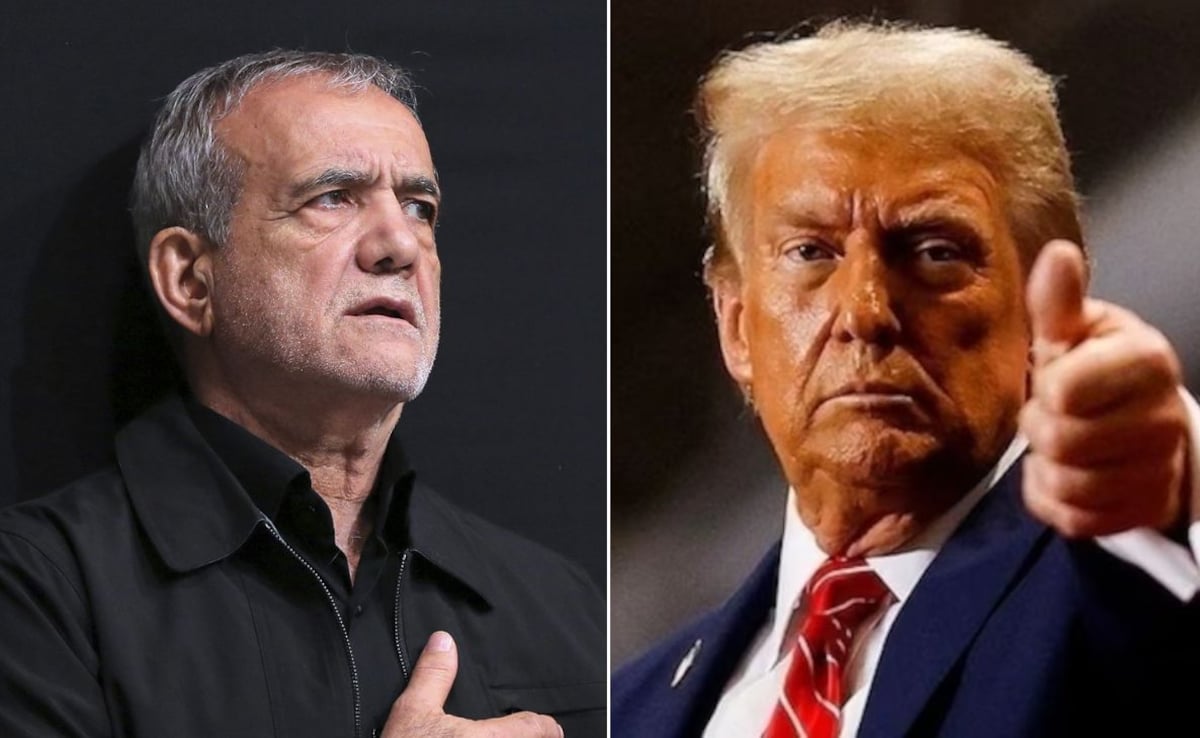
Trump said a deal with Iran is "very possible," but warned bombing could resume if talks fail, while the US and Iran reportedly discuss a 14-point memorandum to end the war and launch 30 days of nuclear negotiations. Key provisions include a 12- to 15-year nuclear enrichment moratorium, enhanced UN snap inspections, sanctions relief, release of frozen Iranian funds, and restrictions on Strait of Hormuz transit. The proposal is still under review by Tehran, and the risk of renewed conflict keeps the geopolitical and energy-market implications elevated.
The market’s first-order read is lower oil-risk, but the more durable signal is a shift from a pure military premium to a conditional sanctions regime premium. If a framework even partially holds, the biggest near-term winner is not crude itself but every asset priced off a persistent Middle East disruption premium: freight, Gulf-sensitive FX, and defense names tied to urgent replenishment cycles may mean-revert faster than investors expect. The second-order loser is any “higher-for-longer oil” positioning that depends on sustained supply interruption; that trade becomes vulnerable to a diplomatic headline squeeze over the next 48 hours and again over the next 30 days as implementation details get negotiated.
The critical underappreciated variable is not whether talks exist, but whether they can enforce compliance without humiliating either side. A long enrichment moratorium is economically meaningful only if inspectors and sanctions snapback are credible; otherwise the deal simply delays risk while pulling forward sanctioned barrels and frozen-fund liquidity. That would likely strengthen Iran’s import capacity and regional financing before it improves global supply, which is bearish for the oil-risk trade but neutral-to-positive for select EM/Europe cyclicals that benefit from softer energy inputs.
Consensus is probably overestimating the probability of a clean deal and underestimating the probability of a “messy ceasefire” that still leaves intermittent strike risk, blockade threats, and sanctions ambiguity. That middle state is tradable because it compresses volatility without fully eliminating tail risk. In that regime, crude can bleed lower in the spot month while deferred geopol premium remains bid, creating a flatter curve and better relative value in refiners, airlines, and industrials than in outright oil beta.
AI-powered research, real-time alerts, and portfolio analytics for institutional investors.
Request DemoOverall Sentiment
mildly negative
Sentiment Score
-0.15
