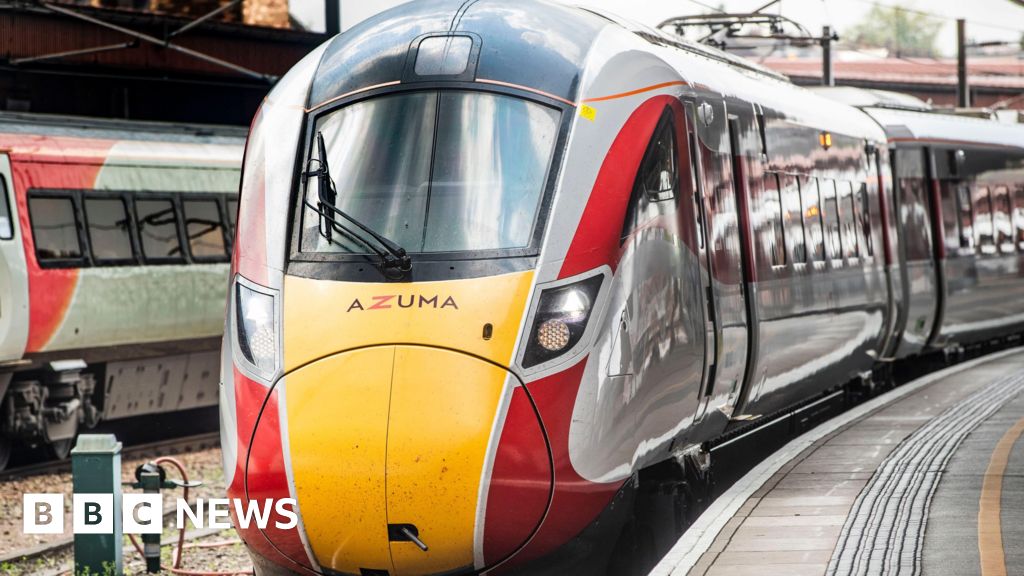
A major national rail timetable revamp has taken effect — the biggest shift since May 2018 — with Network Rail saying a decade of £4bn investment will deliver faster journeys, thousands more daily seats and improved connectivity, most notably on the East Coast Main Line; the change cuts London King's Cross–Edinburgh times by around 15 minutes and Edinburgh–York by about 10 minutes. Operators have touted capacity gains (LNER expects roughly 10,000 extra services a year) and new or expanded routes — Northern will run an hourly fast Leeds–Sheffield service, Transport for Wales adds services for Chester, Wrexham and Swansea, and Avanti increases London–Liverpool runs while reducing Blackpool–London services from four to two. While industry leaders stress extensive preparation and potential transformational benefits, commentators note the overhaul invites scrutiny after the 2018 timetable collapse and say weekday peak periods, particularly Monday morning, will be the real test of reliability.
A national rail timetable revamp has taken effect, described as the biggest change since May 2018; Network Rail cites a £4bn investment over the past decade and promises faster journeys and thousands of extra seats daily, including a 15-minute reduction between London King's Cross and Edinburgh and a 10-minute cut between Edinburgh and York. LNER terms the changes "transformational" and expects about 10,000 additional services per year, while operators such as Northern, Transport for Wales and Avanti are adding or reallocating services (Northern: new hourly Leeds–Sheffield; Avanti: more London–Liverpool but Blackpool–London cut from four services to two).
The reconfiguration materially shifts capacity and regional connectivity, with the East Coast Main Line as the primary beneficiary; these changes could drive incremental revenue and load-factor improvements for operators that execute them cleanly. However, the overhaul carries execution risk given the 2018 timetable collapse that produced up to 470 daily cancellations for GTR and 310 for Northern and precipitated the creation of Great British Railways under greater state oversight.
Market signals are mildly positive but cautious (sentiment score ~0.25, market impact ~0.25), implying modest near-term market reaction unless operators demonstrate sustained punctuality gains; weekday peak performance—particularly Monday mornings—will be the crucial live stress test for reliability and the main determinant of whether promised capacity translates into durable commercial benefit.
AI-powered research, real-time alerts, and portfolio analytics for institutional investors.
Request DemoOverall Sentiment
mildly positive
Sentiment Score
0.25
