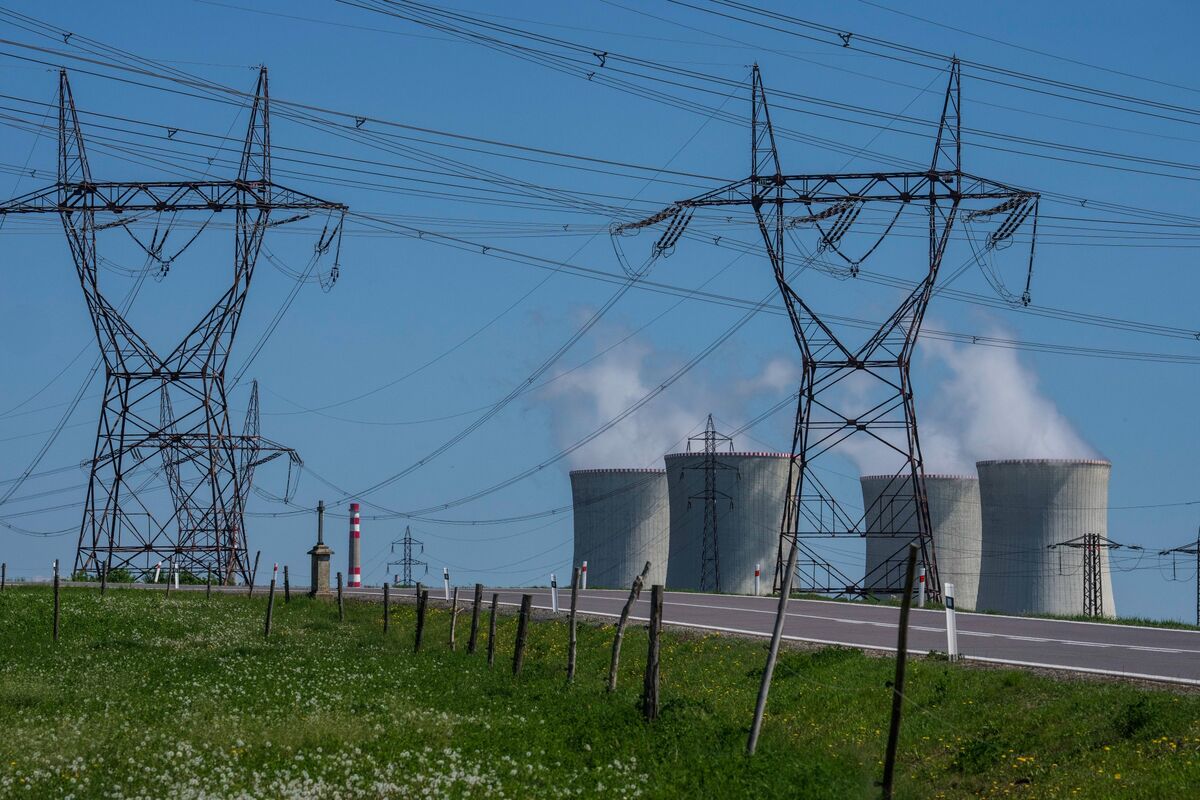
European nuclear power plants are increasingly susceptible to outages caused by heat waves, which elevate cooling water temperatures and have tripled weather-related shutdowns in the last decade compared to prior periods. This escalating trend, driven by climate change, is projected to intensify with limited mitigation options, posing a growing long-term threat to Europe's energy supply stability and grid reliability.
A significant and accelerating operational risk is emerging for Europe's nuclear power sector due to the increasing frequency and intensity of heat waves. According to a study in Energy Economics, weather-related nuclear outages, predominantly caused by elevated cooling water temperatures, have tripled in the 2010-2019 period compared to the previous two decades. This trend, driven by climate change, is expected to worsen, creating a structural vulnerability for what is traditionally considered a reliable source of baseload power. The report highlights that there are few viable mitigation options, suggesting that this will be a persistent challenge impacting grid stability, asset utilization rates for nuclear operators, and potentially increasing reliance on other, more volatile energy sources during peak summer demand.
AI-powered research, real-time alerts, and portfolio analytics for institutional investors.
Request DemoOverall Sentiment
strongly negative
Sentiment Score
-0.70
