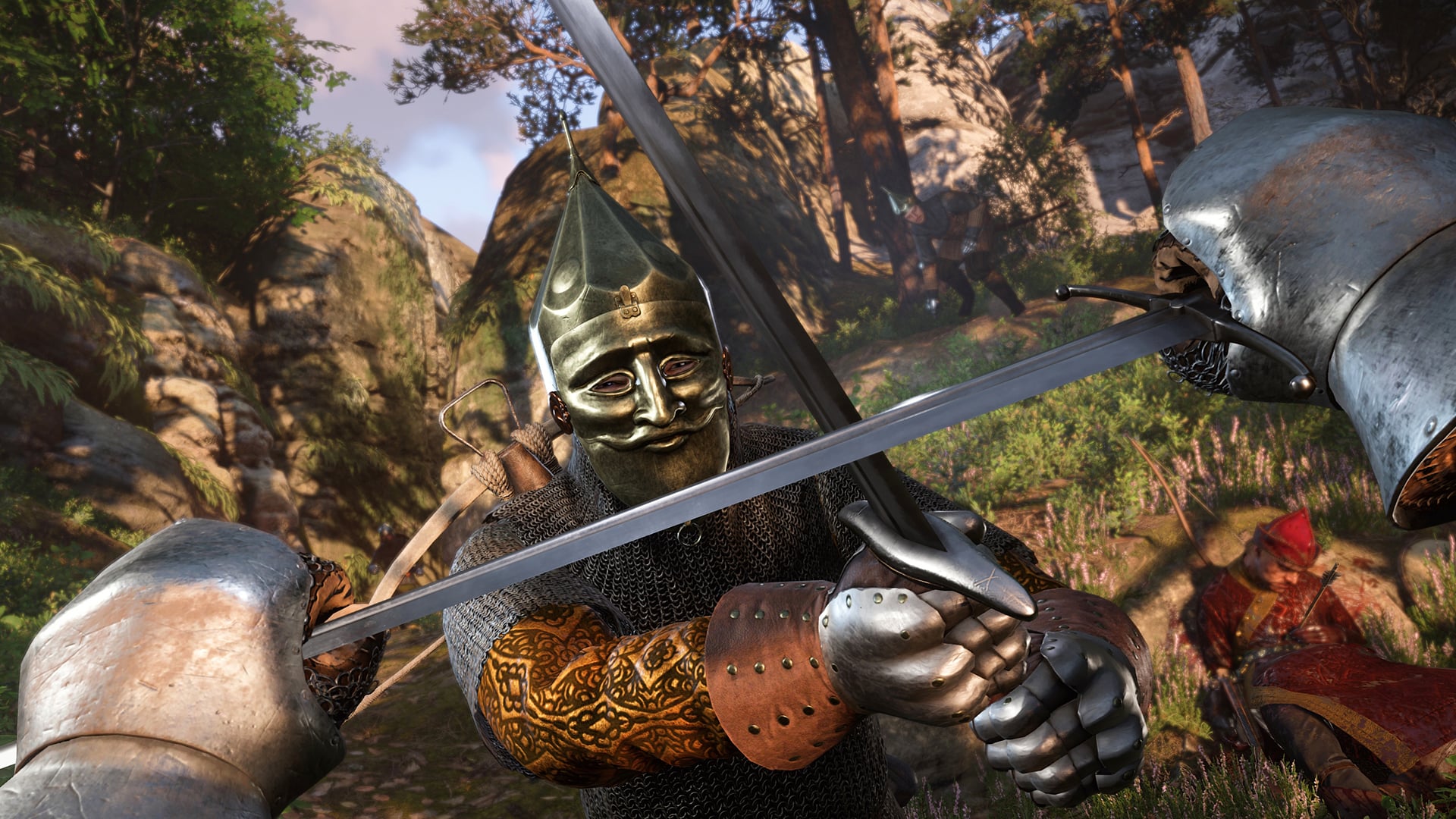
Key event: industry insider claims Warhorse Studios is developing an open-world The Lord of the Rings RPG positioned as a direct competitor to Hogwarts Legacy 2. If true, the title could shift consumer demand within the fantasy RPG segment and advantage the LOTR franchise—partly due to controversy surrounding J.K. Rowling—while an official reveal may target this year’s Game Awards.
Primary beneficiaries are the IP-holder/developer ecosystem able to execute a large open-world RPG — the incremental value comes from cross-media leverage (game + film + merchandising) and the unusually long monetization tail of AAA open-world titles (paid DLC, live service, remasters). Expect outsized revenue concentration to flow to whoever controls the Middle‑earth IP and owns distribution: a single hit title can produce a multi‑year revenue curve with 30–50%+ gross margins on digital sales and 20–30% annuity-style revenue from DLC and ports. Secondary winners include middleware/engine vendors, QA/CDN providers and PC GPU makers during launch windows — these suppliers see lumpy but high-margin demand spikes coincident with global launches.
Key catalysts and timing: a reveal at a major show (Game Awards / E3 window) within 6–12 months would materially re-rate developer equities if footage convinces critics; a release would likely be 12–36 months out and is the primary fundamental inflection. Tail risks are high — development delays, a poor camera/design choice (first‑person vs third‑person), or monetization backlash can erase forward expectations quickly; additionally, IP legal/rights or Embracer balance‑sheet strain (if applicable) could stall titles. Consumer sentiment is another make-or-break: an early negative review cycle for an open‑world title historically shaves 30–60% off peak sales forecasts within weeks.
Contrarian read: the market may be overstating zero-sum competition with Hogwarts Legacy; different franchises attract distinct demo and retention profiles, so wallet share erosion is partial not total. That makes a pure short of Harry Potter exposure blunt and risky. Tactical alpha is therefore asymmetric: favor optional, capped‑downside long exposure to the IP-owner/developer (to capture upside on reveal + platform ports) and pair with modest, short-duration hedges against near-term sentiment shocks (reviews, reveals, exec changes).
AI-powered research, real-time alerts, and portfolio analytics for institutional investors.
Request DemoOverall Sentiment
mildly positive
Sentiment Score
0.20
