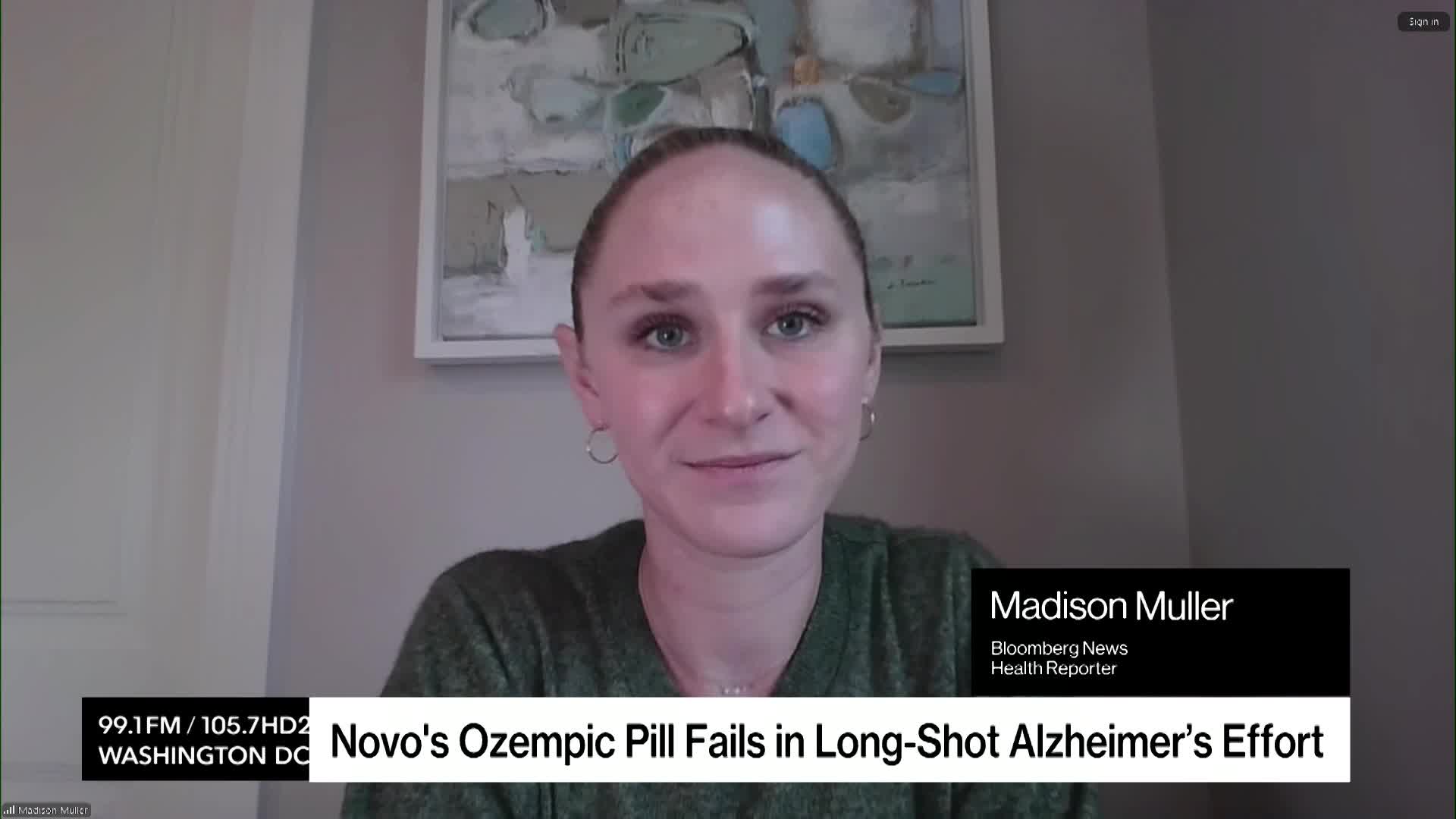
Bloomberg Businessweek Daily episodes (Nov. 21 and Nov. 24, 2025) highlight that BMO's Lee says the Federal Reserve is appropriately focused on the U.S. labor market, while other commentators argue an AI-driven Fed is not yet prepared to make a Greenspan-scale policy bet. The coverage also flags that consumer sentiment has fallen to near-record lows, signalling downside demand risks that could complicate the Fed's rate calculus and weigh on growth expectations.
Market structure: Weak consumer sentiment increases downside risk for cyclical retailers and discretionary services (expect relative earnings revisions of -5% to -15% over 3–6 months for levered retail names). Defensive consumer staples (XLP), investment-grade credit and long-duration Treasuries (TLT/IEF) are immediate beneficiaries as growth-risk insurance; large-cap AI leaders (NVDA, MSFT) retain structural demand but are vulnerable to multiple compression if growth softens. Cross-asset flow will favor USD and core bond bids on downside surprises, lift gold (GLD) as a hedge, depress oil by 3–8% on lower consumption, and raise equity skew/put demand in options markets.
Risk assessment: Tail scenarios: (1) a sharp consumer liquidity shock leading to a 50–100 bps growth hit within 6 months and forced Fed easing (high-impact, low probability), (2) Fed sticks to labor-driven policy and keeps rates higher for longer causing regional bank stress and credit tightening. Near-term (days–weeks) volatility centers on payrolls/CPI prints; medium-term (1–3 months) risk is earnings downgrades; long-term (3–12 months) depends on AI capex offsetting consumer weakness. Hidden deps include consumer credit delinquencies, inventory cycles, and corporate buyback pacing. Catalysts: next two monthly payrolls, CPI, retail sales and Q4 guidance season.
Trade implications: Tactical ideas: buy 2–3% long TLT (6–12 week horizon) if next CPI/panel prints soften yields 20–40 bps; implement 2–3% long XLP vs 2% short XLY pair (rebalance after CPI/payrolls). Options: buy 2–3 month XLY 10/20% OTM put spread sized 0.5–1% notional to express downside; fund with a 3–6 month NVDA 10% OTM call spread (1–2% notional) to capture AI upside while limiting capital. Bank: establish 1–2% long BMO (NYSE:BMO) as a rate-view hedge ahead of Q4 commentary.
Contrarian angles: Consensus overweights the narrative that AI alone will offset cyclical demand loss; history (2015–2016, 2018) shows durable goods and services demand can lag AI capex by 2–4 quarters, creating a window where cyclicals are oversold and select high-quality retailers (low leverage, strong inventory turns) can be bought at 20–30% discount to replacement multiples. Risk of market underpricing persistent labor resilience would keep rates higher and punish duration—so size duration and AI longs conservatively and hedge via short cyclical exposure.
AI-powered research, real-time alerts, and portfolio analytics for institutional investors.
Request DemoOverall Sentiment
neutral
Sentiment Score
-0.15
Ticker Sentiment
