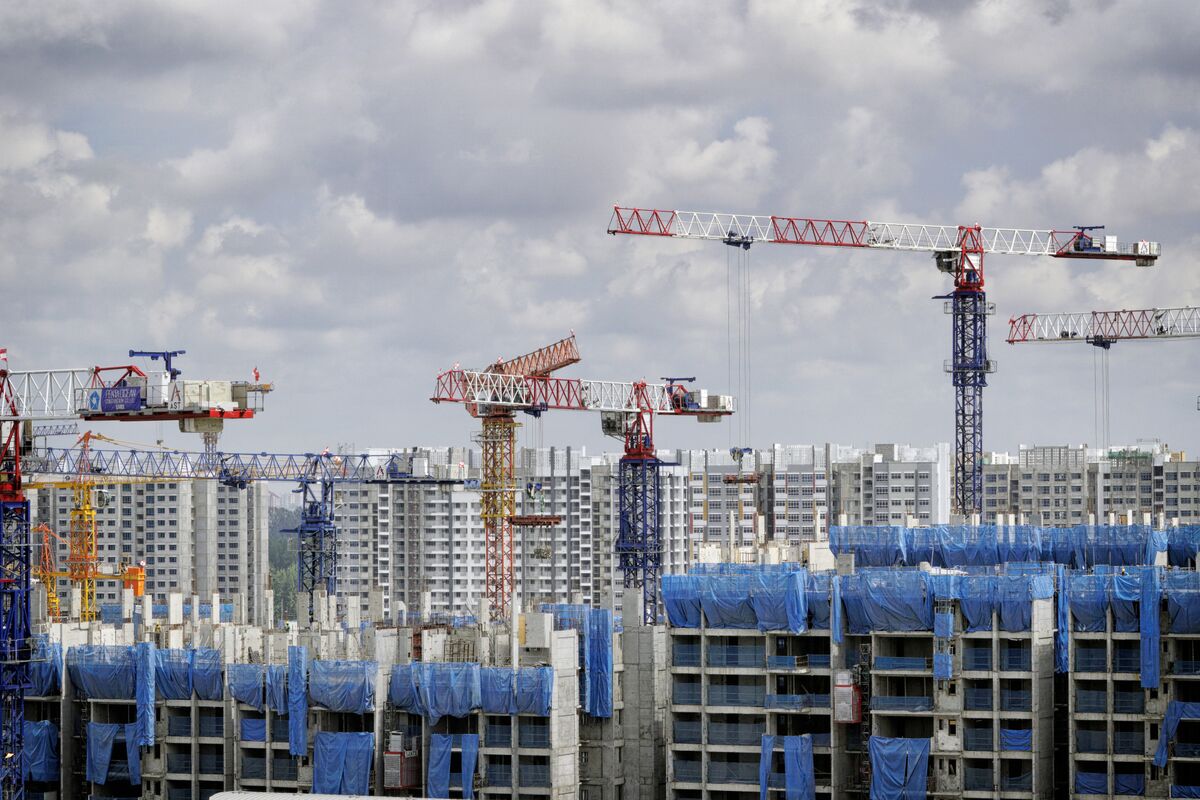
Singapore's Urban Redevelopment Authority announced plans to construct at least 80,000 new public and private homes over the next 10 to 15 years, aiming to meet rising demand for affordable housing. These developments will be strategically located near public transport and workplaces, with a target for 80% of households to be within a 10-minute walk of a train station by 2030, signaling substantial government investment in urban infrastructure and housing supply.
The Singapore government, through its Urban Redevelopment Authority, has announced a significant long-term housing initiative, committing to the construction of at least 80,000 new public and private homes over the next 10 to 15 years. This plan is a direct policy response to rising demand for affordable housing and represents a substantial, state-led investment in the real estate and infrastructure sectors. A key strategic element is the integration of these new housing precincts with public transport, underscored by the goal to have 80% of households within a 10-minute walk of a train station by 2030. This dual focus on housing supply and transport infrastructure creates a long-term, predictable demand pipeline for companies in construction, engineering, and building materials. The moderately positive sentiment associated with this announcement suggests the market views this government intervention as a stabilizing force that will support domestic economic activity and potentially ease long-term housing affordability pressures.
AI-powered research, real-time alerts, and portfolio analytics for institutional investors.
Request DemoOverall Sentiment
moderately positive
Sentiment Score
0.60
