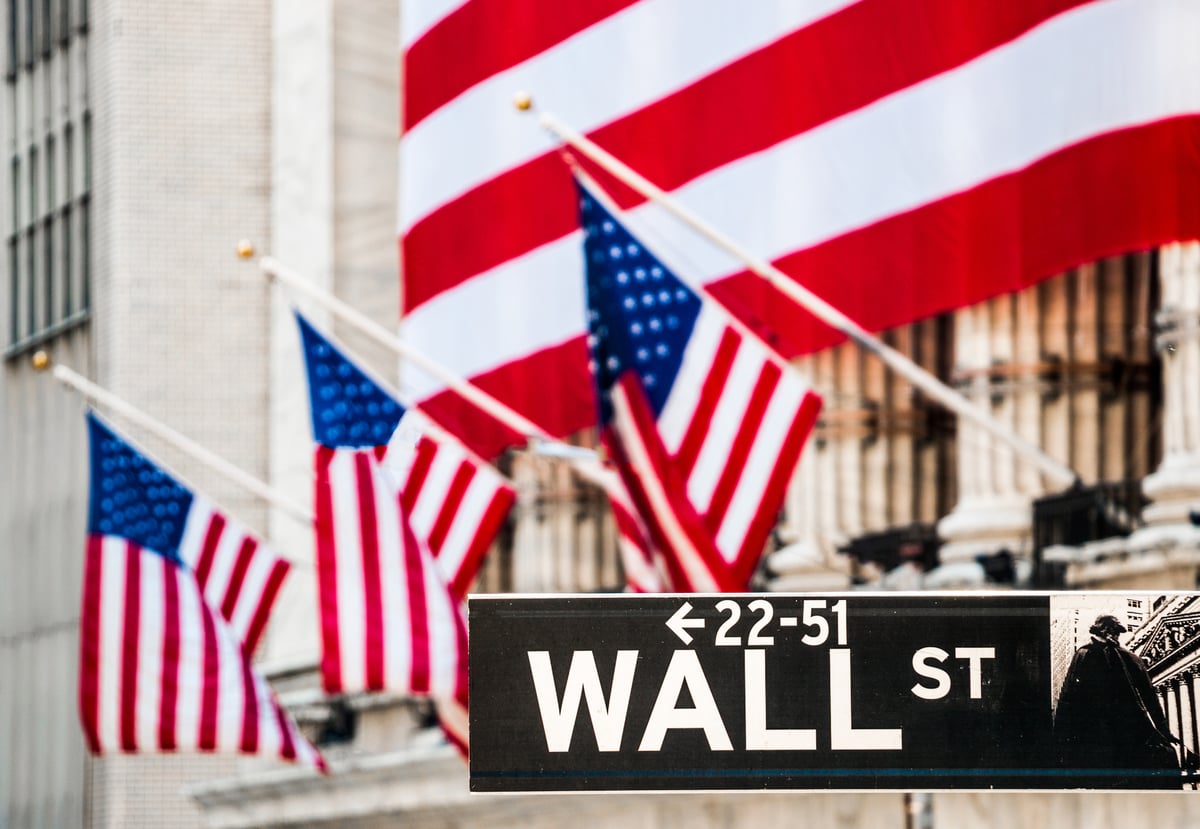
Walmart (WMT) will move its primary listing from the NYSE to the Nasdaq Global Select Market on Dec. 9, with nine bond listings also transferring and its ticker unchanged; the company had a market cap of about $871 billion as of Nov. 26. Management is pushing AI and automation (including an OpenAI/ChatGPT commerce integration) to reduce costs and improve supply-chain forecasting, while macro factors—weak consumer sentiment (University of Michigan index 51 in November) and rising inflation/tariffs—could shift share demand toward value-focused retailers. The article notes Walmart needs roughly a 15% stock rise to reach a $1 trillion valuation and frames 2026 as a realistic target given scale, tech initiatives, and consumer behavior.
Market structure: Walmart’s Nasdaq move is largely symbolic for investors but signals a continued tech/AI pivot that can shave 50–200bps off SG&A over 2–3 years if automation targets scale; the immediate winners are SaaS/AI vendors (OpenAI partners, logistics automation providers) and Nasdaq (listing fees/flow), losers are regional grocers and smaller apparel retailers that compete on convenience or limited assortment. The combination of weak consumer sentiment (UMich 51) and higher tariffs increases price-sensitive traffic to big-box discounting; expect Walmart to take share incrementally (100–200bps/year) from mid-tier chains if it sustains price investment.
Risk assessment: Tail risks include an execution failure on generative-AI rollout (customer friction, data/privacy regulatory action) or tariff escalation that raises landed costs >200bps and compresses margins; also binary regulatory scrutiny of big-tech partnerships could slow ChatGPT commerce integration. Time windows: expect headline volatility around Dec 9 listing (days), Q4 comps and Jan 2026 guidance (weeks), and the true earnings/leverage payoff across FY2026 (quarters). Hidden dependencies: margin improvement requires simultaneous freight, wage, and inventory control — one offsetting shock (fuel, wages +200bps) could erase AI gains.
Trade implications: Direct play is long WMT exposure sized 2–3% of equity risk to capture a modest 15% upside to $1T by 2026; use 12–24 month LEAPs or capped call spreads to lever upside while limiting premium. Relative opportunities: long WMT vs short COST (small notional 0.5–1%) to express share shift to non‑member value retail; hedge with CPI and University of Michigan prints as catalysts. Cross-asset: increased retail discounting and tariff risk supports buying selective commodity hedges (soy/oil) and short-duration Treasuries if inflation surprises above 3.5%.
Contrarian angles: The market may over-assign positive signalling value to the Nasdaq switch — it does not structurally change Walmart’s retail economics; the real driver is execution of AI-led cost saves and sustained traffic. Valuation path to $1T is narrow — a 15% price move with flat margins implies either multiple expansion or 5–8% EPS growth; if those don’t materialize, upside will be limited and short-term option IV could collapse, creating mispriced LEAP opportunities.
AI-powered research, real-time alerts, and portfolio analytics for institutional investors.
Request DemoOverall Sentiment
moderately positive
Sentiment Score
0.50
Ticker Sentiment
