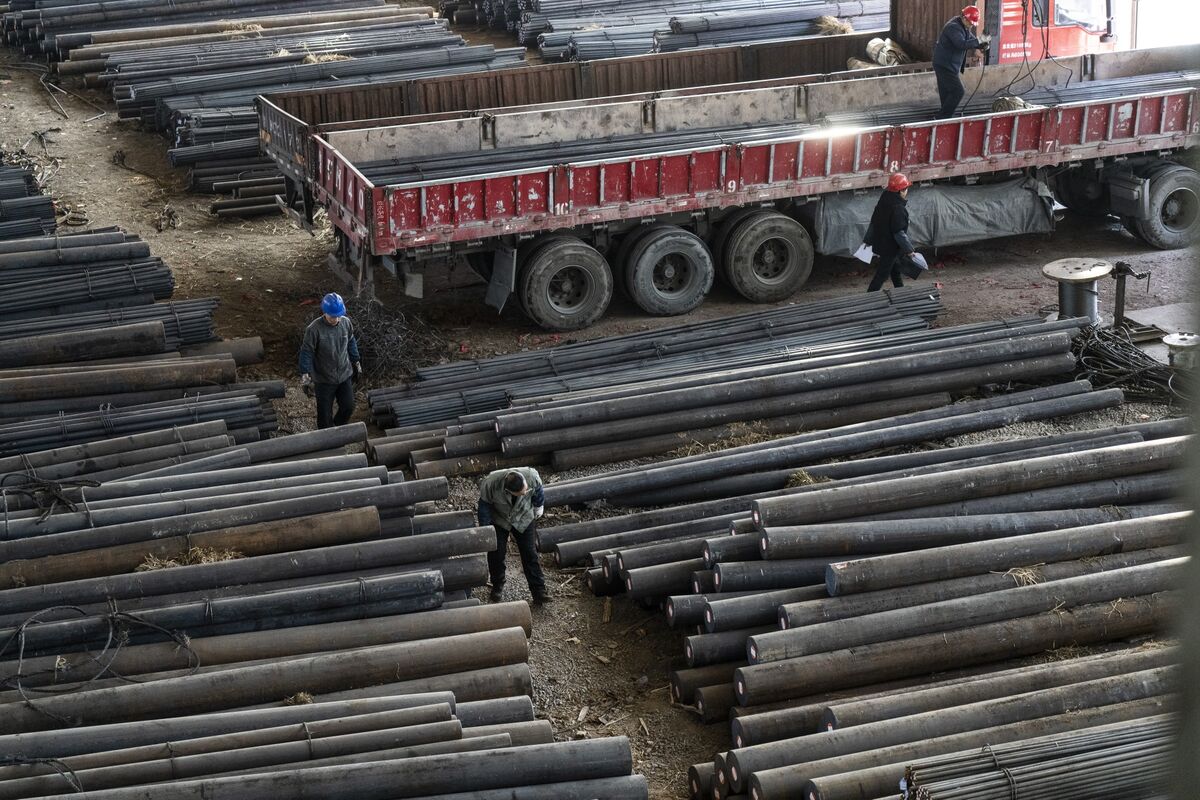
French Finance Minister Eric Lombard is urging Europe to significantly bolster its tariff barriers to counter Chinese imports, which he argues are jeopardizing the continent's industrial economy. Lombard emphasized the necessity of amending existing rules to permit a broader application of protective measures against Chinese goods, extending beyond current actions in sectors like steel and automobiles, signaling a potential shift towards increased trade protectionism to safeguard European industries.
French Finance Minister Eric Lombard's call for stronger and broader European tariff barriers against Chinese imports signals a potential escalation in trade protectionism. This move, framed as a defensive measure to protect the continent's industrial economy, extends beyond the existing tariffs on steel and automobiles, advocating for a fundamental change in trade rules. The moderately negative sentiment and significant market impact score of 0.6 reflect the gravity of such a policy shift, which could disrupt global supply chains and heighten geopolitical tensions between two of the world's largest economic blocs. The absence of specific corporate entities in the statement suggests this is a high-level, macroeconomic policy push, with broad implications for sectors dependent on or competing with Chinese goods.
AI-powered research, real-time alerts, and portfolio analytics for institutional investors.
Request DemoOverall Sentiment
moderately negative
Sentiment Score
-0.40
