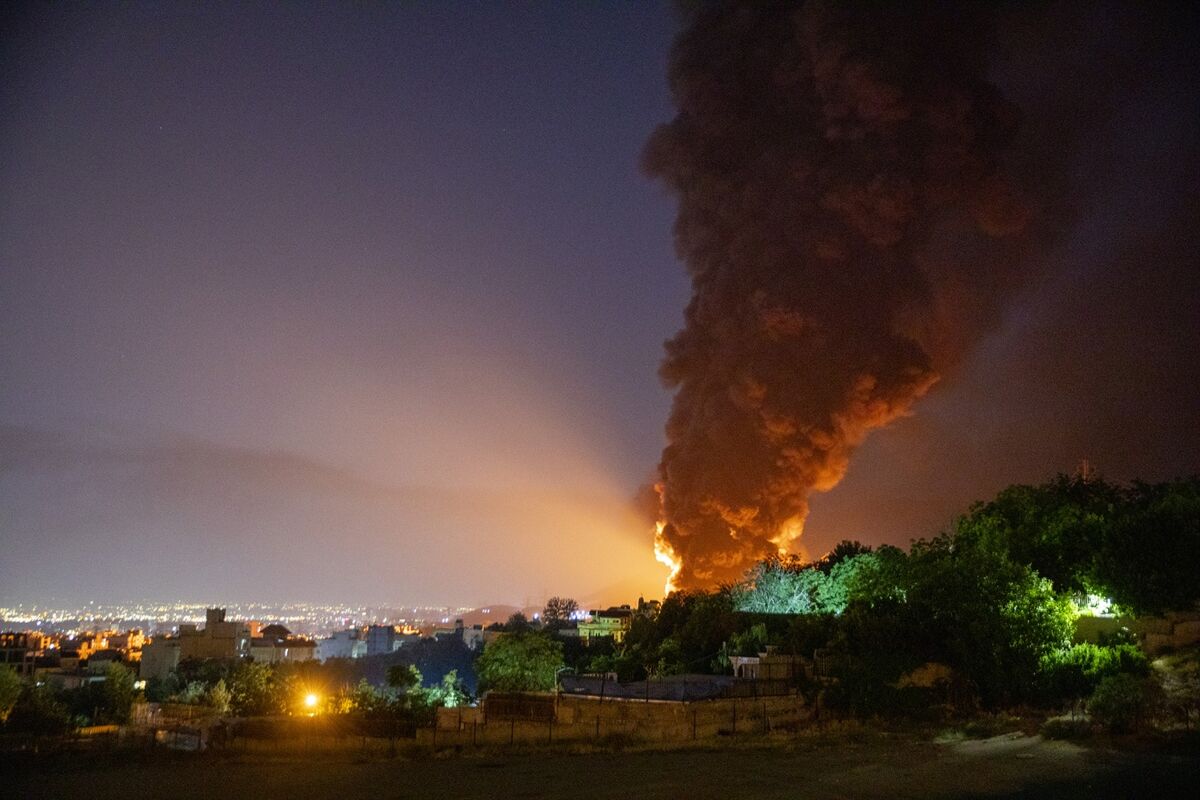
A recent poll indicates that over two-thirds of Israelis support the country's airstrikes against Iran; however, less than 25% believe Iran's nuclear program can be neutralized without U.S. involvement. The Israeli public is split regarding the continuation of military action against Iran, weighing the potential for thousands of civilian casualties from retaliatory missile strikes.
A recent Hebrew University of Jerusalem survey reveals a complex public sentiment within Israel regarding military actions against Iran. While a significant majority, over two-thirds, endorse the country's airstrikes, a starkly smaller proportion, fewer than one-quarter, believe that the perceived threat from Tehran’s nuclear program can be neutralized without US assistance, highlighting a potential reliance on external support for achieving strategic objectives. Furthermore, the Israeli populace is evenly divided on the continuation of the military campaign, with equal segments advocating for persistence despite the risk of substantial civilian casualties from Iranian counter-strikes, preferring to de-escalate, or remaining undecided. This internal division suggests potential constraints on the Israeli government's capacity for sustained or escalating military operations and introduces uncertainty regarding the future trajectory of the conflict, a nuance reflected in the neutral sentiment and market impact score associated with this particular poll.
AI-powered research, real-time alerts, and portfolio analytics for institutional investors.
Request DemoOverall Sentiment
neutral
Sentiment Score
0.00
