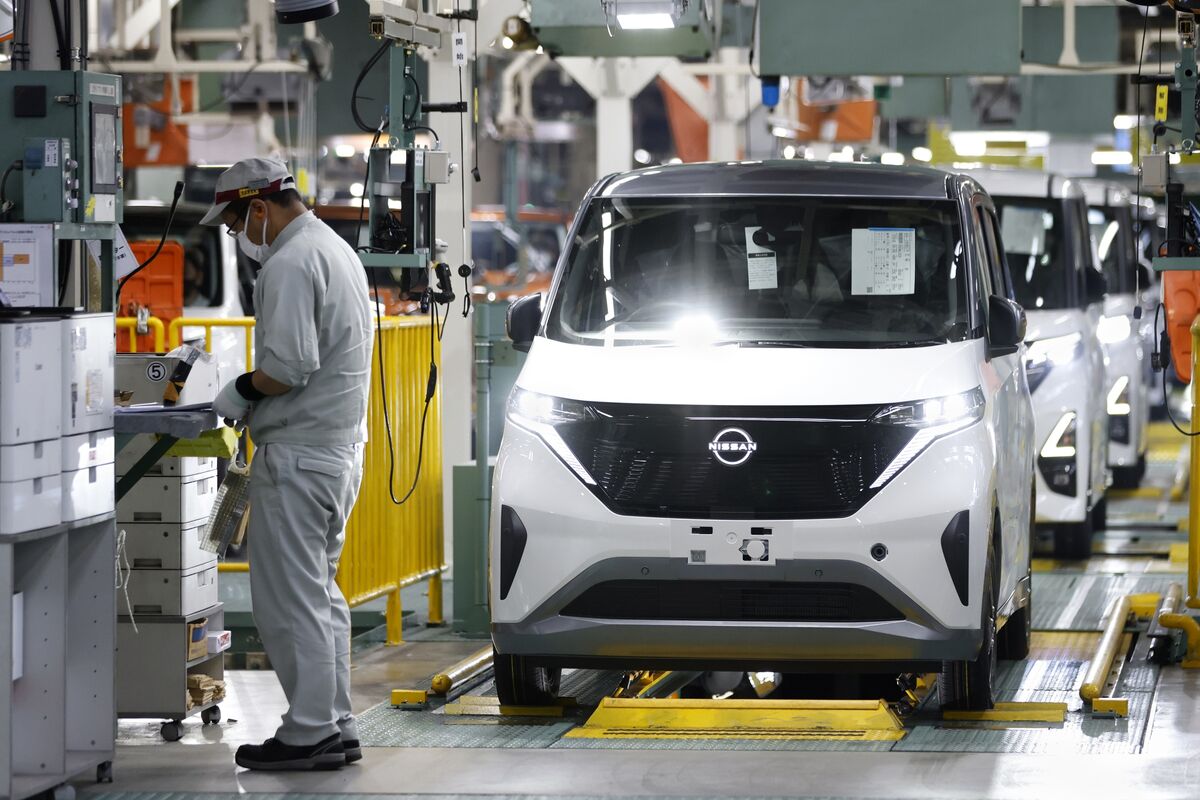
At an Oval Office event announcing the rollback of previous fuel-economy standards, President Trump praised Japan’s small 'kei' cars while signaling a policy shift that weakens federal fuel-efficiency requirements. The column argues the move is politically charged and highlights the practical challenge of lowering vehicle prices for American consumers despite rhetorical support for tiny, inexpensive cars. Investors should view this as a political/regulatory development with limited near-term market impact but potential longer-term implications for automakers' product strategies and emissions-related compliance costs.
Market structure: Loosening federal fuel-economy standards is a structural tailwind for ICE-heavy OEMs and fossil fuel demand and a headwind for marginal EV economics. Expect modest re-pricing: legacy OEMs (Ford, GM) and midstream oil (XOM, CVX) could see 3–10% relative EBITDA support over 6–12 months as compliance capex and EV incentives face lower federal pressure, while battery/Li-ion raw material names (ALB, LAC) face downward demand revision risk.
Risk assessment: Tail risks include rapid state-level countermeasures (California/NY) or a court reversal that reinstates stricter standards, which would re-accelerate EV demand within 6–18 months. Hidden dependencies: consumer gasoline prices and falling battery costs remain dominant drivers — a >20% spike in oil prices or a 15% y/y drop in battery pack costs would negate the regulatory effect; watch litigation/court calendar over next 30–90 days.
Trade implications: Tactical trades should favor energy and traditional OEMs and underweight EV supply chain exposures: consider cash/option structures to capture 3–12 month regulatory drift while hedging for reversal. Use pair trades to express relative exposure (legacy OEMs vs pure-play EVs) and options to cap downside if courts/state rules tighten quickly.
Contrarian angles: The market may overreact by permanently repricing EV raw-material demand; history (fuel-economy rollbacks in 2000s) shows technology-driven cost curves can overwhelm regulatory loosening. If you believe battery cost curves continue (pack costs down 10–15%/yr), short-term dislocations in miners may present a buy-on-weakness in 12–36 months rather than permanent writes.
AI-powered research, real-time alerts, and portfolio analytics for institutional investors.
Request DemoOverall Sentiment
mildly negative
Sentiment Score
-0.25
